
Water Heater Installation in Hilliard, OH
Water heater installation in Hilliard, OH: Professional service for system sizing, permits, and safe, efficient hot water. Schedule your installation today.

Water Heater Installation in Hilliard, OH
Choosing the right water heater and getting it installed correctly is one of the most practical upgrades for Hilliard homes. With cold Ohio winters, seasonal demand spikes, and the region’s generally hard water, a properly sized, code-compliant installation improves comfort, cuts energy waste, and reduces the risk of premature failure or leaks.
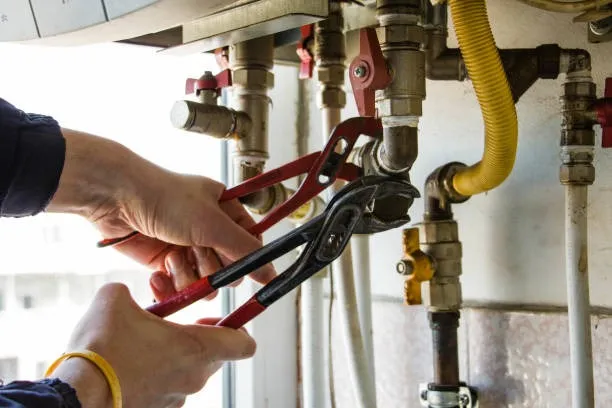
Common water heater types and which fits Hilliard homes
Selecting the right system depends on household hot water patterns, space constraints, fuel type (natural gas or electric), and long-term efficiency goals.
- Conventional tank (gas or electric)
- Best for predictable, high-volume needs and simple installation locations.
- Easier to meet immediate demand but takes up more space and has standby heat loss.
- Tankless (on-demand)
- Provides continuous hot water and smaller footprint.
- Sizing is based on required flow rate (GPM) and temperature rise. In Hilliard, expect higher temperature rises in winter when incoming water is colder.
- Hybrid / heat pump water heaters
- Extremely efficient in moderate-baseline heated spaces. May be less effective in unheated basements during harsh Ohio winters unless installed in conditioned space.
- Condensing gas units
- Very high efficiency for homes with abundant natural gas and proper venting.
Sizing and energy-efficiency considerations
Accurate sizing avoids both insufficient hot water and wasted energy.
- Tank sizing (gallons): Typical guidance: 30–40 gallons for 1–2 people, 40–50 gallons for 2–3, 50–80+ for larger households or simultaneous usage. Think about morning routines and multiple bathrooms.
- Tankless sizing (GPM and temperature rise): Add the flow rates of appliances used at once (shower ~1.5–2.5 GPM, dishwasher ~1–2 GPM). In Hilliard winter, incoming water can be 40°F or lower, so required temperature rise to reach 120°F is higher than in warm months — choose a unit with sufficient continuous output.
- Efficiency metrics: Look at Uniform Energy Factor (UEF) for tanks and Energy Factor or manufacturer performance curves for tankless. High-efficiency units reduce monthly utility use and may qualify for local rebates.
- Hard water impact: Central Ohio’s moderately hard water accelerates scaling, especially in tankless units. Consider water softening, scale inhibitors, or more frequent descaling schedules.
Site preparation — what we evaluate in Hilliard homes
A secure, compliant installation starts with the right site preparation.
- Location and space: Clearances for combustion air, servicing, and venting. Avoid unprotected outdoor installation unless using units rated for outdoor exposure.
- Floor protection: Drain pan with a routed drain to a safe discharge point if the unit is installed above finished spaces.
- Venting and combustion air: Correct vent type (power vent, natural draft, direct vent) and proper termination away from windows, eaves, and intakes per local code.
- Plumbing and gas/electrical readiness: Ensure proper gas line sizing for high-demand gas units; confirm electrical panel capacity and dedicated circuits for electric or electric-tankless models.
- Drainage and accessibility: Floor drain or trap primer considerations, space for future maintenance, and insulation options.
Professional installation steps (what happens on replacement day)
A methodical installation protects performance and safety.
- System shutdown and removal: Safe gas/electrical disconnect, draining and removal of the old unit with containment to prevent water damage.
- Site prep adjustments: Install drain pans, modify gas line or electrical circuits as required, and prepare venting runs.
- Unit set and secure: Leveling, anchoring, and ensuring proper clearance for servicing.
- Connections: Plumbing hookups (supply and return), TPR valve installation and discharge routing, condensate drain for high-efficiency units, and secure vent connections.
- Gas and electrical work: Properly sized gas line, leak testing, and electrical connections to code with required breakers and wiring.
- Initial fill and leak test: Pressure test plumbing, verify no gas leaks, and ensure valves and unions are secure.
- Combustion and performance checks (gas units): Draft, CO levels, and burner efficiency checks when required by code.
- Commissioning: Set temperature controls, explain system operation, and document serial numbers and settings.
Permits, code compliance, and inspections in Hilliard
Installations must comply with Ohio and local Hilliard/Franklin County requirements.
- Permits are typically required for water heater replacements that alter fuel or venting, move the unit location, or involve significant plumbing or electrical changes.
- Work must meet the Ohio Building Code and local amendments regarding venting, combustion air, electrical circuits, and plumbing connections.
- Inspections may be required after rough-in and final connections; coordinate scheduling with local building officials to ensure compliance and safe occupancy.
Post-installation testing and documentation
After installation, thorough testing confirms reliability.
- Leak and pressure tests for plumbing joints, and gas leak checks with proper instrumentation.
- Combustion analysis for gas appliances when applicable to ensure safe CO levels and efficient burners.
- Flow and temperature verification to match expected output (tankless GPM or tank recovery).
- Documentation of equipment model numbers, manufacture dates, warranty registration instructions, and maintenance recommendations.
Warranties, service life, and upgrade options
Understanding coverage helps protect your investment.
- Manufacturer warranties typically cover tanks, heat exchangers, and components for set terms (varying by product). Labor warranties from the installer may differ and are equally important.
- Upgrade options include adding a recirculation pump for instant hot water, anti-scald mixing valves, insulation jackets, or smart controllers to optimize energy use.
- Check local utility and state programs for potential rebates or incentives for high-efficiency models; many Ohio utilities offer incentives for ENERGY STAR or high-UEF equipment.
Maintenance tips and long-term benefits
A few simple maintenance practices extend lifespan and maintain efficiency in Hilliard conditions.
- Annual inspection and flushing to remove sediment in tank systems; periodic descaling for tankless units in hard-water areas.
- Check TPR valve and expansion tank periodically for proper operation.
- Insulate accessible hot water lines and set temperature to 120°F to balance comfort and energy savings while reducing scald risk.
- Benefits of timely professional installation include improved energy efficiency, reliable hot water during cold months, reduced risk of leaks or water damage, and preserved equipment warranties.
Selecting and installing the right water heater for your Hilliard home means balancing immediate needs, long-term efficiency, and local code requirements. A professional installation that accounts for Ohio’s seasonal temperature swings, local water quality, and permitting rules provides dependable hot water, safer operation, and better lifetime value from your system.
Hot Deals & Cool Savings

.webp)
New Service Agreement Membership
.webp)
Any New Client Service
Next Service for Referring a New Client
New Service Agreement Membership
Any New Client Service
Next Service for Referring a New Client
.webp)
.webp)

Service Areas
