
Water Heater Replacement in Harrisburg, OH
Water heater replacement in Harrisburg, OH ensures safe, efficient hot water. Schedule professional installation today for reliable performance.

Water Heater Replacement in Harrisburg, OH
When a water heater reaches the end of its useful life or sustains irreparable damage, a timely water heater replacement in Harrisburg, OH protects your home from leaks, inconsistent hot water, and higher energy costs. Winters in Ohio place extra demand on domestic hot water, and many local homes face hard water or well water conditions that accelerate tank corrosion and sediment buildup.
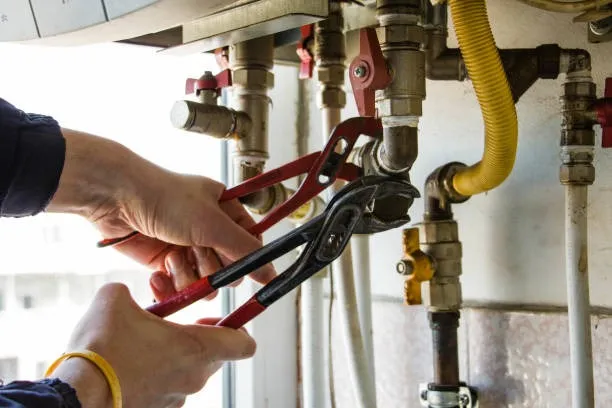
Why homeowners in Harrisburg request full replacements
Common reasons for replacing rather than repairing include:
- Age: Most storage tanks last 8 to 12 years; tankless systems have different lifespans. Older units are less efficient and more likely to fail.
- Severe corrosion or leaks that cannot be reliably repaired.
- Repeated failures or expensive repairs that exceed reasonable replacement cost.
- Desire for efficiency upgrades such as switching to a high-efficiency tankless or heat pump model to lower operating costs.
- Changing household needs, such as larger family size or adding appliances that increase hot water demand.
Common water heater replacement issues in Harrisburg, OH
- Sediment buildup from well or hard water reducing efficiency and causing noise.
- Rust and corrosion at the tank bottom or around fittings, indicating imminent failure.
- Pilot or burner failures in gas units that are costly to repair on older systems.
- Insufficient capacity for modern household demands leading to cold showers.
- Improper venting or outdated installations that do not meet current building codes.
How we evaluate your existing system
A professional evaluation focuses on practical, decision-driving items:
- Visual inspection for leaks, corrosion, and venting condition.
- Verification of unit age and service history to estimate remaining life.
- Performance checks: recovery rate, water temperature consistency, and evidence of sediment.
- Assessment of fuel availability and preferences: natural gas, propane, electric, or feasibility of heat pump or tankless systems.
- Review of installation constraints and code requirements: venting, combustion air, drain access, and clearance.
Choosing the right replacement
Selecting the correct replacement depends on usage patterns, home setup, and long-term goals:
- Capacity and First Hour Rating (FHR): For storage tanks, size by household hot water use and peak hour demand. FHR tells you how much hot water the unit delivers in the first hour.
- Fuel type: Natural gas and propane typically recover faster; electric and heat pump models can be more efficient depending on local electricity costs. Tankless units provide continuous hot water but require proper sizing and possible electrical or gas upgrades.
- Efficiency ratings: Look for Uniform Energy Factor (UEF) and ENERGY STAR designations when applicable to estimate operating costs.
- Physical constraints: Space, venting runs, and access in Harrisburg homes can dictate whether a standard tank, tall unit, or wall-mounted tankless model is practical.
- Local factors: Homes on well water may benefit from sacrificial anode upgrades or water-softening solutions to extend the new unit’s life.
Removal and environmentally responsible disposal
Proper removal minimizes risk and meets local disposal requirements:
- Drain and depressurize the old unit safely.
- Disconnect electrical or gas connections according to code, with licensed gas shutoff for fuel-burning appliances.
- Remove and recycle metal components; steel tanks and copper can be recycled to reduce landfill waste.
- Dispose of any hazardous materials, such as oil contamination from older systems, in accordance with local regulations.
- Provide documentation of disposal methods when required for permitting or homeowner records.
Installation and commissioning process
A professional replacement should include:
- Permit and code compliance checks with local Harrisburg or county authorities when required.
- Site preparation: securing flue paths, ventilation, and proper clearances.
- Replacement of necessary ancillary components: T&P valve, drain pan and drain line, dielectric unions, expansion tank for closed systems, and updated venting if needed.
- Safe connection to water, gas, or electric supply and testing for leaks.
- Commissioning: adjusting temperature settings, testing temperature-pressure relief operation, verifying recovery and performance, and explaining operation and safety features.
- Clean-up and documentation of work completed.
Most standard replacements in a typical single-family home are completed within a half day to one full day once a permit is issued. Complex retrofits—such as converting fuel types, adding venting, or upgrading electrical service—can extend the timeline and may require coordination with inspectors.
What influences replacement cost
Rather than a single price, replacement cost varies based on:
- Unit type (storage tank, tankless, heat pump).
- Unit capacity and efficiency rating.
- Complexity of removal and installation, especially in tight or hard-to-access locations.
- Necessary upgrades to venting, gas lines, or electrical service.
- Permit fees and inspection requirements.These variables determine the overall scope rather than a one-size-fits-all figure.
Warranty transfer and documentation
Manufacturer warranties often require professional installation and registration to remain valid. For a seamless transfer:
- Keep installation records and receipts.
- Register the new unit with the manufacturer per warranty instructions.
- Ensure any transferable warranties or extended protections are documented in writing.
- Maintain a maintenance log showing periodic servicing, which can be critical for warranty claims.
Recommended maintenance to extend life and performance
Regular maintenance preserves efficiency and prevents premature failure:
- Annual flush to remove sediment from storage tanks, more often for well water users.
- Inspect and test the temperature-pressure relief valve yearly.
- Check and replace the sacrificial anode rod every 3 to 5 years, depending on water quality.
- Verify expansion tank pressure and inspect all fittings and drain pans.
- For tankless systems, clean heat exchangers or filters according to the manufacturer’s schedule.
- Keep records of all service visits and maintenance tasks.
Hot Deals & Cool Savings

.webp)
New Service Agreement Membership
.webp)
Any New Client Service
Next Service for Referring a New Client
New Service Agreement Membership
Any New Client Service
Next Service for Referring a New Client
.webp)
.webp)

Service Areas
