
Water Heater Installation in Harrisburg, OH
Water heater installation in Harrisburg, OH: sizing, permits, and warranty details. Schedule your service today.

Water Heater Installation in Harrisburg, OH
Replacing or upgrading your water heater is a decision that affects comfort, energy bills, and home safety. In Harrisburg, OH homes, where cold winters increase hot water demand and seasonal temperature swings can stress older systems, a properly sized, code-compliant installation matters.
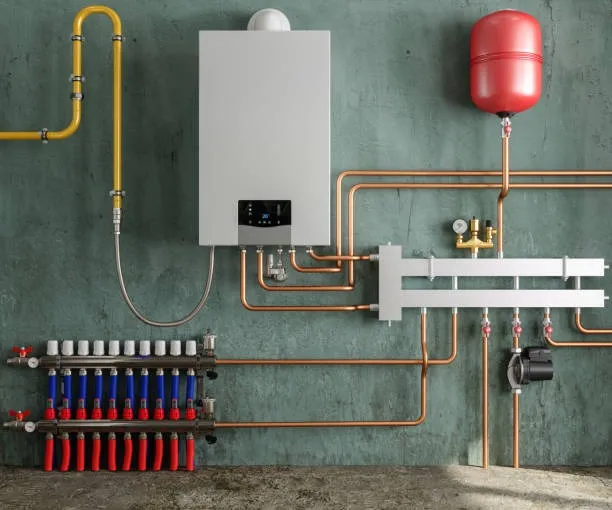
Common water heater problems in Harrisburg, OH
Homeowners in this region commonly face these issues:
- Inadequate hot water during morning showers or simultaneous appliance use.
- Leaks or puddling around the tank from corrosion or failed fittings.
- Noisy operation from sediment buildup, especially where water is moderately hard.
- Rising energy bills due to aging, inefficient units.
- Pilot or ignition failures on gas units after prolonged use.
- Complete failure in units older than 10-15 years.
Recognizing these signs early reduces the risk of water damage and allows for a planned replacement rather than an emergency.
Tank, tankless and high-efficiency options — which is right for Harrisburg homes?
Understanding the pros and cons helps match system type to your household needs and local conditions.
- Conventional tank water heaters
- Pros: Lower upfront cost, simple installation, reliable stored hot water for high simultaneous demand.
- Cons: Higher standby heat loss and larger footprint. Tanks in unheated basements may need freeze protection.
- Tankless (on-demand) water heaters
- Pros: Continuous hot water, smaller footprint, typically greater energy efficiency when household demand is intermittent.
- Cons: Higher upfront cost and sometimes additional electrical or gas line upgrades; performance can be affected by incoming water temperature during Ohio winters.
- Heat pump (hybrid) water heaters
- Pros: Very high efficiency in conditioned spaces; excellent for lowering utility bills.
- Cons: Less effective in unheated garages or below-freezing environments without proper siting.
- High-efficiency condensing gas units
- Pros: Best fuel efficiency for gas-fired systems with lower operating costs.
- Cons: Require proper condensate drainage and venting considerations.
Local factors to weigh: Harrisburg’s cold winters lower incoming water temperature, increasing demand on tankless units; moderate-to-hard water in some areas accelerates sediment buildup in tanks. Site-specific assessment will determine the best fit.
Site assessment and load/size calculations
Proper sizing and placement start with a thorough site assessment:
- Verify fuel type (natural gas, propane, or electric) and existing supply capacities.
- Check venting options, clearances, and available installation space.
- Inspect electrical panel capacity and existing circuit sizes for electric or hybrid units.
- Evaluate water line condition and water pressure.
- Calculate peak demand: use first-hour rating (FHR) for tanks and gallons-per-minute (GPM) needs for tankless based on household fixtures and simultaneous use (multiple showers, dishwasher, laundry).
- Consider future needs like additional bathrooms or increased occupancy.
These calculations determine unit capacity, whether additional equipment (expansion tank, larger gas line, or dedicated electrical circuit) is required, and any structural or venting modifications.
Permits, code compliance and safety for Harrisburg installations
Installations in Harrisburg, OH must meet local and state plumbing and mechanical codes. Key compliance points include:
- Obtaining required permits and scheduling inspections with the local building department.
- Proper venting and combustion air for gas appliances.
- Installation of temperature-pressure relief (T&P) valves and correct discharge piping.
- Installation of expansion tanks on closed systems as required by code.
- Drain pans and freeze protection in unheated spaces.
- Electrical work following the National Electrical Code where applicable.
Following code protects occupants and preserves warranty coverage and resale value.
Step-by-step installation process and timeline
A typical water heater installation follows these stages:
- Pre-install site visit and final sizing/selection.
- Permit submission and approval (timing varies by jurisdiction).
- Disconnection and safe removal of the existing unit.
- Any required plumbing, gas line, venting, or electrical upgrades.
- Installation of the new unit with required safety devices (T&P valve, expansion tank).
- Pressure test, venting inspection, and ignition/startup.
- Post-install testing, leak checks, and system balancing.
- Final inspection by the local authority when required.
Timeline expectations:
- Standard tank replacement: usually completed within one business day (4-8 hours) once permits are in place.
- Tankless or conversions requiring gas/electrical upgrades: may take longer (a day or multiple partial days).
- Permit approvals and inspections can add several days to a week, depending on local schedules.
Warranty, manufacturer registration and post-install testing
Most new water heaters include a manufacturer’s warranty on the tank and separate coverage on components. After installation:
- Ensure the warranty registration is submitted according to manufacturer instructions to preserve coverage.
- Receive documentation: model numbers, serial numbers, operating instructions, and maintenance guidelines.
- Walkthrough with the homeowner to demonstrate operation, safety features, and routine maintenance tasks like flushing or anode inspections.
- Record any service and inspection tags placed at the unit.
Clear documentation at handover helps with future service and warranty claims.
Financing and rebate options in Harrisburg, OH
Energy-efficient models often qualify for incentives. Typical options to explore:
- Utility rebates from local or regional providers for high-efficiency gas or electric units.
- State energy program rebates or incentives for efficient equipment.
- Manufacturer rebates or promotional financing programs.
- Federal tax credits periodically available for qualifying high-efficiency systems.
Availability and qualification criteria vary, so check eligibility during the planning stage to factor potential savings into equipment selection.
Maintenance tips after installation
Regular maintenance extends the life and efficiency of your new water heater:
- Annual inspection and anode rod check on tanks.
- Flush tanks yearly if water hardness causes sediment buildup.
- Keep combustion air and venting clear on gas units.
- Insulate hot water pipes and the tank (if recommended) to reduce standby losses.
- Monitor for leaks and water pressure changes; consider a water softener if hardness is high.
Why timely replacement matters for Harrisburg homeowners
Replacing an aging or failing water heater at the right time reduces the risk of sudden failure and water damage, improves energy efficiency, and can lower monthly utility expenses—especially important during Harrisburg’s cold months when hot water demand peaks. A correctly sized, code-compliant installation also protects your home and ensures reliable performance for years to come.
This overview covers what Harrisburg, OH homeowners should expect when planning a water heater installation, from initial assessment through handover and warranty registration. Proper sizing, adherence to local codes, and selection of the right system type are the key steps to reliable hot water and efficient operation in this climate.
Hot Deals & Cool Savings

.webp)
New Service Agreement Membership
.webp)
Any New Client Service
Next Service for Referring a New Client
New Service Agreement Membership
Any New Client Service
Next Service for Referring a New Client
.webp)
.webp)
Service Areas