
Water Heater Replacement in Grove City, OH
Water Heater Replacement in Grove City, OH: decide between tank and high-efficiency options and schedule installation for reliable hot water.

Water Heater Replacement in Grove City, OH
Replacing a water heater is a major home investment. For Grove City, OH homeowners, the decision often comes down to safety, long-term energy costs, and consistent hot water during cold months.
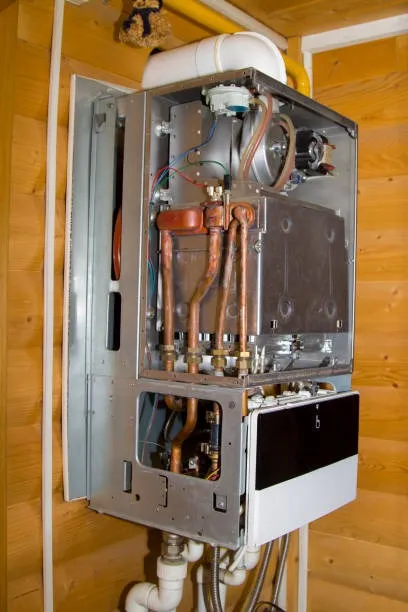
Why replacement may be the better choice
If your water heater is causing frequent problems, replacement is often the smarter, more economical choice. Common signs that replacement is preferable to repair include:
- Age: Standard tank water heaters typically reach the end of reliable service after a decade or slightly longer. Older units become less efficient and more prone to failure.
- Recurring leaks or rust: Leaks around the tank, rust on fittings, or rust-colored water indicate internal corrosion that usually cannot be fixed long term.
- Decreased capacity or long recovery times: If you run out of hot water more often than before or notice long waits for hot water to return, sediment buildup and reduced efficiency may be to blame.
- Rising energy bills: A gradual increase in energy use without changes in household habits can signal that the heater is losing efficiency.
- Frequent repairs: If repair frequency is rising, replacement typically delivers better reliability and predictability.
Common water heater replacement issues in Grove City, OH
Grove City has seasonal temperature swings and local water quality characteristics that influence water heater performance:
- Hard water and mineral buildup: Mineral deposits reduce heat transfer and recovery, shortening equipment life.
- Cold winter demand: Lower incoming water temperatures in winter increase recovery demand on heaters.
- Older homes and venting: Some older installations lack modern venting or combustion air provisions, making upgrades necessary for safety and code compliance.
Replacement options: tank vs high-efficiency tank (and other choices)
Choosing the right replacement depends on household hot water needs, fuel source, and long-term energy goals.
Tank water heaters (standard)
- Pros: Simple technology, lower upfront complexity, familiar sizing (gallon-based).
- Cons: Less efficient than newer options, susceptible to sediment buildup, shorter lifespan than high-efficiency alternatives.
High-efficiency tank water heaters
- Types: Improved insulation, higher energy factor designs, and models that reduce standby heat loss.
- Pros: Lower standby losses, better efficiency with similar user experience to standard tanks, often backed by longer warranties.
- Cons: Higher upfront cost and slightly larger physical footprint for some models.
Alternative options to consider
- Heat pump (hybrid) water heaters: Use electricity to move heat rather than generate it. Highly efficient in moderate ambient temperatures but require sufficient space and may need different electrical setup.
- Tankless (on-demand) systems: Provide continuous hot water with compact size. Best for households with lower simultaneous hot water demands or with modifications to plumbing and gas/electrical service.
- Condensing gas tanks: Capture additional heat from combustion for higher efficiency on gas models.
Sizing and recovery considerations
Choosing the right capacity ensures reliable hot water without unnecessary energy waste.
- Tank sizing: Match tank gallons to household peak demand. Factor in number of occupants, simultaneous uses (showers, dishwasher, laundry), and typical morning/evening usage patterns.
- First hour rating (FHR): For tanks, FHR is a practical measure of how much hot water the unit delivers in an hour starting from a full tank. Use FHR to compare models.
- Recovery rate: How quickly a heater can reheat water after heavy use. Faster recovery is important for larger families and colder climates where incoming water is colder.
- Tankless sizing: Choose based on required flow rate in gallons per minute at the expected temperature rise. Multiple units or larger single units may be necessary for homes with simultaneous high demands.
Installation process and timeline
A professional replacement typically follows these steps:
- Assessment and selection: Inspect existing location, venting, fuel lines, and electrical capacity. Confirm preferred replacement type and necessary upgrades.
- Permitting: Local building permits are commonly required in Grove City and help ensure code compliance.
- Removal: Draining and detaching the old unit, isolating fuel or electrical connections, and safe removal from the property.
- Installation: Setting the new unit, connecting plumbing, venting, gas or electrical hookups, and installing required safety devices such as expansion tanks or pressure relief valves.
- Testing and commissioning: Leak checks, combustion testing for gas units, temperature and pressure verification, and demonstration of operation.Timeline: Most standard tank replacements can be completed within a single workday once permits and equipment are ready. More complex upgrades, fuel conversions, or space modifications may extend the timeline to multiple days.
Removal, disposal, and environmental considerations
Proper disposal protects the environment and ensures compliance with local rules.
- Safe draining and handling of residual fluids.
- Recycling of metal components when possible.
- Disposal through authorized facilities per county and city regulations. Some components may qualify for metal recycling programs.
Warranties and financing options
Replacement units typically come with manufacturer warranties for tank or parts and separate warranties for components like heat exchangers or burners. Warranty lengths vary by technology and model. Installation workmanship often carries a separate limited warranty from the installer.
Financing options are commonly available for homeowners looking to spread investment over time. Eligibility and terms depend on financial providers and local programs. When evaluating offers, consider total lifecycle costs and energy savings potential rather than only monthly payments.
Energy savings and lifecycle benefits
Replacing an old water heater can deliver meaningful efficiency improvements and more reliable hot water.
- Efficiency gains: High-efficiency tanks, hybrids, and condensing models reduce standby and operating losses, lowering utility consumption.
- Lifespan: Newer technologies and better corrosion protection extend service life, reducing the frequency of future replacements.
- Payback considerations: Energy savings, reduced repair costs, and improved reliability contribute to the long-term financial case for replacement in addition to comfort and safety benefits.
Maintenance tips to extend life in Grove City homes
Regular maintenance keeps a new system running efficiently:
- Flush the tank annually (or as recommended) to remove sediment from hard water.
- Test the temperature and pressure relief valve each year.
- Inspect anode rods periodically and replace when heavily corroded to protect tanks from internal rust.
- Ensure proper ventilation and clearances around the unit, especially in tight basements or garages that are common in the area.
- For gas units, arrange periodic combustion and venting checks.
Replacing a water heater is about balancing upfront investment, long-term energy use, and the specific needs of your Grove City home. Understanding signs of failure, the differences between tank and high-efficiency options, sizing needs, installation steps, and local considerations will help you make a confident, informed decision aligned with safety and efficiency goals.
Hot Deals & Cool Savings

.webp)
New Service Agreement Membership
.webp)
Any New Client Service
Next Service for Referring a New Client
New Service Agreement Membership
Any New Client Service
Next Service for Referring a New Client
.webp)
.webp)

Service Areas
