
Tankless Water Heater in Grove City, OH
Explore how tankless water heaters work in Grove City, OH, with sizing tips, installation considerations, and energy savings.

Tankless Water Heater in Grove City, OH
Tankless (on-demand) water heaters are a long-lasting, energy-efficient alternative to traditional storage tanks. For Grove City homeowners who want endless hot water, reduced energy waste, and more space inside mechanical closets, a properly sized and installed tankless system can be an excellent fit.
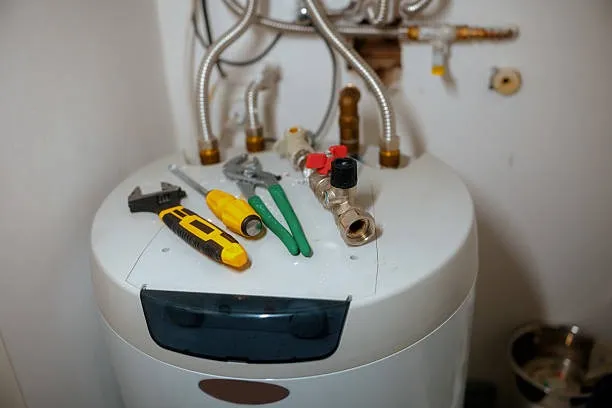
How tankless water heaters work
A tankless water heater heats water only when you open a hot tap. Cold water flows through a heat exchanger and is rapidly raised to the selected temperature by a gas burner or electric elements. Because there is no storage tank, you get continuous hot water while the unit is running, and you avoid standby heat loss that is inherent with tanks.
Key benefits:
- Endless hot water for showers, laundry, and dishwashing when sized correctly
- Improved energy efficiency compared to older tank models
- Smaller footprint for tight utility spaces or garages
- Longer expected service life with proper maintenance
Common tankless water heater issues in Grove City homes
Grove City experiences seasonal temperature swings and moderately hard water, which can influence system performance. Common service requests include:
- Reduced flow or fluctuating water temperature during cold months
- Scale buildup on heat exchangers in homes with hard or chlorinated water
- Insufficient capacity for simultaneous fixtures (bath, laundry, dishwasher)
- Venting or gas supply upgrades needed when replacing older systems
- Electrical service limitations for high-capacity electric models
Sizing: flow rate and temperature rise
Proper sizing is the most important factor in achieving reliable on-demand hot water. Two measurements drive sizing:
- Flow rate (gallons per minute, GPM) — add up the GPM of fixtures you expect to run simultaneously. Typical fixture flow rates:
- Shower: 1.8 to 2.5 GPM
- Kitchen sink: 1.5 to 2.2 GPM
- Dishwasher: 1.0 to 1.5 GPM
- Washing machine: 1.5 to 2.0 GPM
- Temperature rise — the difference between incoming groundwater temperature and desired hot water temperature (usually 110 to 120 F). Central Ohio groundwater and seasonal conditions mean incoming cold water can be significantly colder in winter, increasing required temperature rise.
Sizing guideline examples for Grove City single-family homes:
- Small household, one fixture at a time: 4 to 6 GPM
- Average family, one or two fixtures simultaneously: 6 to 8 GPM
- Large household or frequent simultaneous use: 8 to 11+ GPMIf you expect the shower and washing machine to run together during a cold winter morning, plan for a higher flow and temperature rise. When in doubt, a brief fixture-use audit and a professional flow calculation ensure correct sizing.
Fuel choices: gas vs electric
- Gas (natural gas or propane)
- Pros: Higher GPM capacity for whole-house units, better for large families and cold climates, generally lower operating cost in natural gas areas
- Cons: Requires proper venting and combustion air, may need gas-line upsizing
- Electric
- Pros: Simpler installation (no venting), compact, lower upfront equipment cost
- Cons: High electrical demand; many whole-house electric units require significant panel capacity and multiple dedicated breakers. Electric models often limit GPM, making them better for point-of-use or small households.
For Grove City, where homes commonly have natural gas service, gas-fired tankless systems are often preferred for whole-house installations. Electric models can work well for smaller homes, apartments, or dedicated point-of-use units.
Installation and retrofit considerations in Grove City
Retrofit complexity depends on the existing system and home infrastructure:
- Gas supply: Older homes may need a larger gas line or higher-pressure regulator to meet a tankless unit’s demand.
- Venting: Gas condensing tankless units require PVC or stainless steel venting to the exterior; non-condensing units need proper stainless venting. Vertical, horizontal, and sidewall terminations require planning for roof or wall clearances.
- Electrical: Electric tankless units can require high-amperage circuits and potentially a service panel upgrade.
- Water quality: Hard water causes scale that reduces efficiency and lifespan. Homes with hard water should consider a water softener or an anti-scale system.
- Permits and local code: Building permits and inspections are usually required. Local code, venting clearances, and setback rules must be followed.
Maintenance and expected lifespan
Tankless units are durable but require regular care to keep peak efficiency:
- Annual professional flush with descaling solution where water hardness is moderate to high
- Regular cleaning of inlet filters and screens
- Inspection of gas burners, venting, and condensate drains
- Checking electrical connections and controls
With routine maintenance, most tankless water heaters last 15 to 25 years, often longer than tank-style heaters. Replacing or servicing sacrificial components and keeping the heat exchanger free of scale are core to achieving the upper end of that range.
Cost versus savings analysis
Tankless systems have higher upfront equipment and installation costs compared with standard tank units, especially if gas lines, vents, or electrical upgrades are needed. However, operational savings come from:
- Reduced energy consumption from no standby heat loss
- Longer equipment life and fewer full replacements over decades
How quickly the system pays for itself depends on household hot water usage, local energy prices (natural gas and electricity rates), and maintenance practices. For households that use a lot of hot water or those replacing an older, inefficient tank, the lifecycle cost and performance of a tankless system can be favorable.
Is a tankless water heater a good fit for Grove City homes?
A tankless water heater is a strong option for Grove City homeowners who:
- Want continuous hot water for showers and simultaneous uses
- Have natural gas service and adequate gas capacity, or are willing to upgrade
- Value energy efficiency and longer equipment life
- Have limited mechanical space and prefer a compact, wall-mounted unit
Less suitable situations include:
- Homes with very low electrical service where electric tankless would overload the panel
- Households with high simultaneous demand that would require an expensive, oversized unit or multiple units without planning
- Very hard water without a water treatment solution, which accelerates scale buildup
Final considerations for Grove City: seasonal cold inlet temperatures increase the required temperature rise during winter, so plan sizing conservatively. Evaluate water quality and gas or electrical infrastructure early in the decision process. When sized and installed correctly and maintained annually, a tankless water heater can deliver reliable, energy-efficient hot water tailored to Grove City family needs.
Hot Deals & Cool Savings

.webp)
New Service Agreement Membership
.webp)
Any New Client Service
Next Service for Referring a New Client
New Service Agreement Membership
Any New Client Service
Next Service for Referring a New Client
.webp)
.webp)

Service Areas
