
Water Heater Replacement in Grandview, OH
Water heater replacement in Grandview, OH: learn when to replace, installation options, warranties, and rebates. Learn more to schedule service today.

Water Heater Replacement in Grandview, OH
Replacing a failing water heater is a big decision for Grandview, OH homeowners. Cold Ohio winters, older housing stock, and local water quality all affect how quickly a unit wears out and what replacement will perform best.
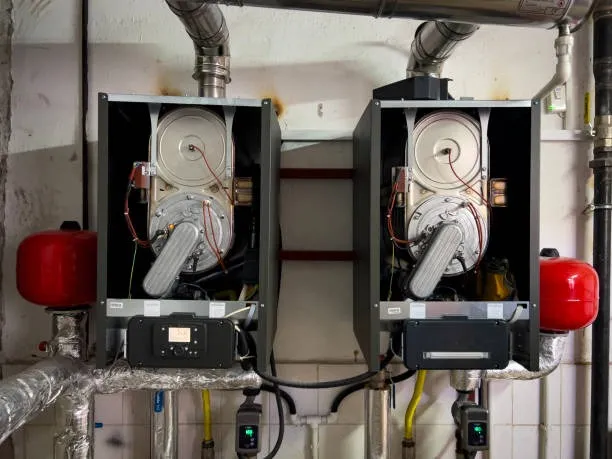
When to replace vs repair
Knowing whether to repair or replace a water heater comes down to age, condition, and cost-effectiveness.
- Age of the unit: Traditional tank heaters typically last 8–12 years; tankless units often last 15–20 years. If your tank is near or past that range, replacement is usually the smarter long-term choice.
- Recurring problems: Leaks, rusting tank walls, repeated burner or heating-element failures, or major corrosion usually mean replacement is unavoidable.
- Efficiency and performance: If you face rising energy bills, long recovery times, or inadequate hot water for household needs, a modern high-efficiency tank or tankless model will often deliver better value than repeated repairs.
- Repair cost vs value: When a repair approaches or exceeds half the cost of a new unit (or when the repair won’t address root causes like corrosion or sediment damage), replacement is recommended.
Inspection and assessment process
A thorough assessment identifies the right path and informs a reliable estimate.
- Visual inspection of the tank, connections, valves, and venting.
- Check for active leaks, rust at seams, and corrosion around fittings.
- Test the temperature-pressure relief (TPR) valve and drain a small sample to check for sediment or discoloration.
- Evaluate burner operation (gas units), heating elements (electric units), and recovery rate.
- Measure cold-water inlet and hot-water outlet temperature rise and flow to assess capacity.
- Inspect venting, combustion air supply, and gas or electrical service to confirm code compliance and identify needed upgrades.
- Provide a clear recommendation: repair now with expected short-term lifespan, or full replacement with options and an estimated timeline.
Replacement options compared
Choose by household size, fuel type, space, and long-term goals.
- Standard tank water heater (basic)
- Pros: Lower upfront cost, simple replacement in most homes.
- Cons: Lower efficiency than newer models; larger footprint; limited hot water during peak use.
- High-efficiency tank water heater
- Pros: Improved insulation, higher Energy Factor, lower operating costs than older tanks. Often compatible with existing connections.
- Cons: Higher upfront cost than basic tanks but usually less than tankless.
- Tankless (on-demand) water heater
- Pros: Endless hot water for many households, smaller footprint, higher efficiency and lower operating costs over time, longer life expectancy.
- Cons: Higher initial cost, potential need for gas-line upsizing or electrical service upgrades, and flow limitations if multiple fixtures run simultaneously without proper sizing.
Expected costs and cost factors
Instead of precise dollar figures, expect costs to vary by complexity and choices.
- Replacement cost depends on unit type (basic tank < high-efficiency tank < tankless), fuel type (gas vs electric), and any required upgrades (venting, gas line, electrical panel, or water treatment).
- Labor complexity impacts cost: tight utility closets, chimney venting, or retrofit installations increase time and expense.
- Permit requirements and code upgrades (common in older Grandview homes) add time and administrative steps.
Focus on value: higher-efficiency units and properly sized tankless systems often recoup more of their cost through reduced energy bills and longer lifespans.
Benefits of replacement
Replacing an aging heater brings immediate and long-term advantages.
- Improved efficiency and lower operating costs with modern equipment.
- Greater reliability and safety — reduced leak risk and improved controls.
- Consistent hot water supply when properly sized for household demand.
- Space savings with tankless or compact high-efficiency tanks.
- Reduced maintenance headaches when old, corroded parts are replaced and the system is installed to current code.
Removal and disposal of the old unit
Safe disposal follows local regulations and environmental practices.
- The typical process includes draining the old tank, disconnecting utilities, and removing the unit from the property.
- Licensed haulers or installers will follow Grandview/Franklin County disposal rules; many recycling centers accept scrap metal from old units.
- Any hazardous components will be handled per local guidelines. Ask about reclaiming and recycling options for metal and components if you want a fully responsible disposal route.
Installation timeline and what to expect
A clear timeline helps you plan.
- Straight swap (same type and location): often completed in a single day.
- Upgrades or conversions (tank to tankless, venting modifications, gas/electrical upgrades): typically 1–2 days, sometimes longer if permits or inspections are required.
- Permit and inspection: local codes may require permits and an inspection, which can add scheduling time. Expect a short wait for inspector availability in busy seasons.
Warranty and rebate information
Understand coverage and incentives.
- Manufacturer warranties vary by product: tank units typically offer shorter warranties on the tank and components; tankless units often include longer limited warranties on heat exchangers. Warranty length often depends on model and whether the unit is registered after installation.
- Installation warranties: professional installers commonly provide limited labor warranties for a specified period; ask what is included in writing.
- Rebates and incentives: federal tax incentives, state programs, and local utility rebates sometimes apply to high-efficiency tank or tankless installations. Check with local utilities and manufacturers for available incentives in the Grandview/Columbus region.
Steps to choose the right replacement for your Grandview home
A practical checklist to guide decisions.
- Assess household demand: number of occupants, bathrooms, simultaneous usage patterns.
- Confirm fuel source and space constraints: choose gas, electric, or hybrid based on current utilities and installation feasibility.
- Consider local conditions: Grandview homes may face colder winters and mineral-rich water that shorten tank life — consider models with robust warranties and options for water treatment.
- Decide on long-term goals: prioritize lowest upfront cost or long-term energy savings and reliability.
- Account for necessary upgrades: factor in venting, gas-line, or electrical work and permits.
- Compare efficiency and warranty across shortlisted models and evaluate potential rebates.
- Plan for maintenance: schedule annual flushing or recommended maintenance to protect longevity and warranties.
Replacing a water heater is an investment in home comfort and energy efficiency. With a careful inspection, clear comparison of options, and attention to local factors in Grandview, OH, you can choose the solution that best balances reliability, efficiency, and lifecycle cost for your home.
Hot Deals & Cool Savings

.webp)
New Service Agreement Membership
.webp)
Any New Client Service
Next Service for Referring a New Client
New Service Agreement Membership
Any New Client Service
Next Service for Referring a New Client
.webp)
.webp)

Service Areas
