
Tankless Water Heater in Grandview, OH
Discover how tankless water heaters work in Grandview, OH, compare gas vs electric, and learn sizing, installation tips, and maintenance.

Tankless Water Heater in Grandview, OH
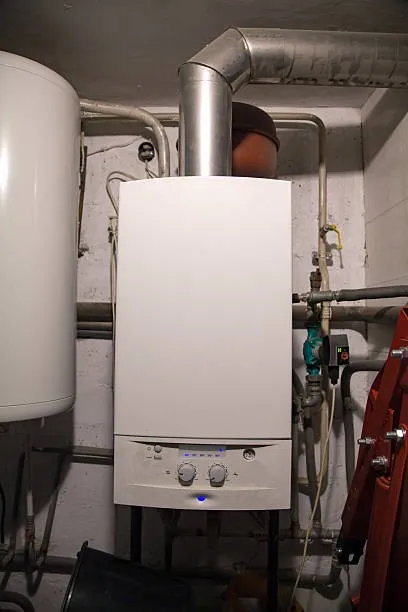
Switching to a tankless (on-demand) water heater in Grandview, OH is a common decision for homeowners who want continuous hot water, lower energy waste, and more usable space. Grandview winters bring cold groundwater temperatures and high hot-water needs for heating and bathing, so proper sizing, fuel choice, and installation details matter.
Why consider a tankless water heater in Grandview
- Energy savings: Tankless units avoid standby heat loss from storage tanks. For Grandview homes with moderate to low hot-water draw, that can translate to measurable energy savings.
- Continuous hot water: On-demand heating supplies endless hot water for long showers, multiple simultaneous uses, or households with frequent laundry.
- Smaller footprint: Tankless units mount on a wall and free floor space—valuable for older Grandview homes with compact utility areas.
- Longer service life: Properly maintained tankless units typically last 15 to 20 years, often longer than traditional tanks.
Common tankless water heater types and issues in Grandview
- Gas tankless (natural gas or propane)
- Higher peak flow and higher temperature rise capability.
- Requires venting and adequate gas supply.
- Common local issues: insufficient gas line size, improper venting, or combustion problems in retrofits.
- Electric tankless
- Simpler installation without venting, smaller signs of structural alteration.
- Limited maximum flow; needs significant electrical capacity.
- Common local issues: need for electrical panel upgrade, tripped breakers, or undersized unit for Ohio winter inlet temps.
- Maintenance concerns
- Central Ohio has moderately hard water; scale buildup is the most common issue affecting efficiency and lifespan.
- Neglected units show reduced flow, temperature fluctuations, or error codes.
How to size a tankless water heater for a Grandview household
Sizing a tankless unit requires two pieces of information: required flow rate in gallons per minute (GPM) and required temperature rise in degrees Fahrenheit.
Estimate peak simultaneous demand by adding fixture flow rates:
- Shower: 1.5 to 2.5 GPM (low-flow models 1.5 GPM)
- Bathroom sink faucet: 0.5 to 1.5 GPM
- Kitchen sink: 1.5 to 2.2 GPM
- Dishwasher: 1.5 GPM
- Washing machine: 1.5 to 2.0 GPMExample: two showers (2.0 GPM each) plus a kitchen sink (1.5 GPM) = 5.5 GPM peak.
Determine required temperature rise:
- Grandview groundwater temperatures can be around 45 to 55 F in winter.
- Desired hot water temperature is commonly 120 F.
- Temperature rise = 120 F minus inlet temp (for example, 120 - 50 = 70 F).
Match flow and rise to unit capacity:
- Manufacturers rate units at specific GPM for given temperature rises. Higher rises reduce achievable GPM.
- If your peak demand is 5.5 GPM at a 70 F rise, choose a unit rated to meet or exceed that combination. For high winter rises, gas units are typically a better fit.
If your peak needs exceed a single unit, options include installing a larger gas model, multiple tankless units in parallel, or a tankless for primary loads with point-of-use electric units for distant bathrooms.
Gas vs electric tankless in Grandview, OH
- Gas tankless
- Advantages: Better for high GPM and high temperature rise, lower operating costs where natural gas is available, robust performance in cold months.
- Installation considerations: Venting (direct-vent or power-vent), adequate gas line capacity, combustion air. Retrofits in older Grandview homes may require cutting vent penetrations or upgrading gas piping.
- Electric tankless
- Advantages: Easier vent-free install, compact, lower upfront complexity.
- Installation considerations: High electrical demand may require a service panel upgrade and dedicated circuit breaker banks. Electric models often limit maximum GPM at large temperature rises typical of Ohio winters.
Installation and retrofit requirements specific to Grandview homes
- Venting and clearances: Gas units require proper venting and clearance. Older Grandview houses with tight utility rooms may need creative vent routing or an outdoor wall mount.
- Gas supply: Determine if your existing gas line can deliver the required BTU input. Many retrofits need a larger gas line or a secondary meter upgrade.
- Electrical capacity: Electric units often need multiple 40 to 120 amp circuits depending on size. Check panel capacity before upgrading.
- Water quality and scale control: Central Ohio water hardness means you should plan for scale mitigation. Options include water softeners, electronic scale controllers, or regular descaling.
- Space and placement: Tankless units are wall-mounted and can fit in basements, utility closets, or garages. Consider freeze protection for outdoor installations during Grandview winters.
- Permits and inspections: Local code compliance and proper permits are required for gas lines, vent penetrations, and electrical upgrades.
Maintenance and expected lifespan
- Annual maintenance is recommended:
- Flush the heat exchanger to remove scale (more frequently if water is very hard).
- Clean inlet water filter and check for sediment.
- Inspect venting, gas connections, and electrical connections.
- Lifespan expectations:
- With regular maintenance, tankless systems typically last 15 to 20 years or longer, longer than most traditional tanks.
- Performance signs to watch for in Grandview:
- Reduced hot water flow, temperature swings, or frequent error codes often indicate scale or airflow issues and should be addressed promptly.
Cost vs savings comparison with traditional tanks
- Operating savings:
- Tankless systems eliminate standby losses from storage tanks, often reducing energy usage for water heating by 10 to 30 percent depending on household usage patterns.
- Savings tend to be higher in households with lower continuous hot-water use and in homes that value long-term efficiency.
- Upfront investment:
- Tankless installations can have higher initial costs, especially if gas lines, venting, or electrical panels need upgrading during retrofit.
- Break-even considerations:
- If your home in Grandview has high hot-water demand or multiple simultaneous showers, choose a properly sized gas tankless for best efficiency.
- If household hot-water needs are modest or if the home lacks gas and panel upgrades are prohibitive, a high-efficiency conventional tank or hybrid system may still be preferable.
Is a tankless water heater right for your Grandview home?
Consider tankless if you identify with any of the following:
- You want continuous hot water for long showers or multiple simultaneous uses.
- You prefer freeing up closet or basement floor space.
- You are renovating and willing to accommodate venting or gas upgrades.
- You plan to stay in your home long enough to capture long-term energy and replacement savings.
Consider alternatives if:
- Your electrical panel cannot support an electric tankless without major upgrades.
- You have extremely hard water and prefer to avoid the extra maintenance or water treatment costs.
- Peak household demand is very high and you prefer the simplicity of a large storage tank or hybrid system.
Final notes on Grandview specifics:
- Cold groundwater in Grandview increases the required temperature rise in winter months; account for this when sizing.
- Hard water in the region raises the importance of descaling and maintenance to protect the heat exchanger.
- Older Grandview homes may need gas line or venting work; plan for that in retrofit decisions.
A properly specified tankless water heater delivers on-demand hot water, energy savings, and space efficiency for many Grandview households. Careful sizing, attention to local water hardness, and correct venting or electrical planning ensure reliable, efficient performance tailored to the needs of homes in Grandview, OH.
Hot Deals & Cool Savings

.webp)
New Service Agreement Membership
.webp)
Any New Client Service
Next Service for Referring a New Client
New Service Agreement Membership
Any New Client Service
Next Service for Referring a New Client
.webp)
.webp)

Service Areas
