
Water Heater Replacement in German Village, OH
Water heater replacement experts in German Village, OH deliver hot water, precise sizing, and smooth installation. Learn more today.

Water Heater Replacement in German Village, OH
Replacing a failing or aging water heater is a major home investment, especially for German Village homes where older plumbing, compact basements, and the local climate increase demand on your system.
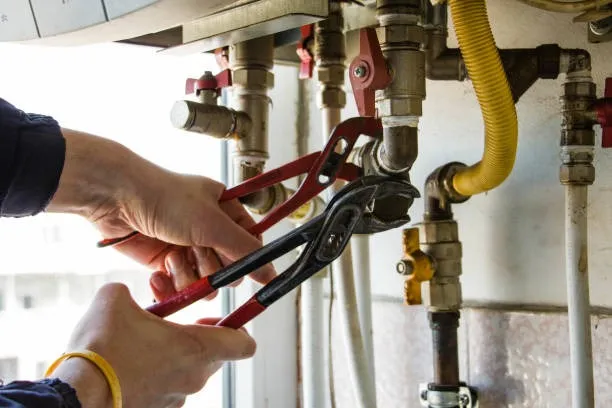
Why timely water heater replacement matters in German Village
German Village experiences cold winters and seasonal temperature swings that put extra strain on water heaters. Many homes in the neighborhood are historic with original pipes or limited mechanical space, so an aging water heater can mean more than inconvenient cold showers. Timely replacement reduces the risk of leaks that can damage historic finishes, improves energy efficiency, and ensures consistent hot water during peak winter demand.
Common water heater issues in German Village homes
- Rusty or discolored hot water
- Frequent cycling, noisy operation, or rumbling — signs of sediment buildup
- Leaks around the tank or fittings
- Insufficient hot water for household needs
- Pilot light or ignition problems on gas units
- Age beyond expected service life (typically 8 to 15 years depending on type)
If diagnostics show significant corrosion, a leaking tank, or a combination of age and inefficiency, full replacement is usually the safest and most cost-effective option.
Inspection and diagnostic process
A thorough pre-replacement inspection typically covers:
- Visual check for rust, corrosion, and leaks
- Inspection of the TPR valve and drain line
- Measurement of inlet and outlet water temperature
- Fuel supply check for gas, propane, or electrical connections
- Venting and flue condition for gas units
- Assessment of available space, access, and local code requirements
- Evaluation of household hot water usage to determine proper sizing
This diagnostic step identifies immediate safety concerns and informs the size and type of replacement unit appropriate for your home.
Choosing the right capacity and fuel type
Selecting the correct capacity and fuel type depends on household size, simultaneous hot water demand, and available utilities.
Capacity guidelines (general)
- 30 to 40 gallons: 1 to 2 people or low demand
- 40 to 50 gallons: 2 to 3 people or moderate demand
- 50 to 80+ gallons: families of 4 or more or high simultaneous use
Tankless and demand systems
- Measured in gallons per minute (GPM). Typical whole-house units range from 6 to 12+ GPM depending on the number of fixtures used simultaneously.
- Ideal for homes with limited space or homeowners seeking continuous hot water and higher energy efficiency.
Fuel type considerations
- Natural gas: fast recovery, lower operating cost in many cases. Requires proper venting and combustion air.
- Electric: simpler installation where gas is not available; higher operating cost but often lower installation complexity.
- Propane: alternative where natural gas is not available; similar considerations to natural gas.
- Heat pump hybrid: high efficiency in moderate climates; requires more space and works best in conditioned spaces.Local factors in German Village, such as natural gas availability and the constraints of older homes, influence the best fuel choice.
Removal and safe disposal of the old unit
Removal includes draining the tank, disconnecting fuel and water lines, and carefully extracting the unit through often-narrow basements or side yards common in German Village. Proper disposal follows state and local regulations:
- Drain and neutralize residual water
- Recycle metal components where possible
- Dispose of hazardous materials according to local rules
Many homeowners opt to recover metal value and ensure environmentally responsible disposal, particularly in neighborhoods with historic preservation concerns.
The replacement process and expected timeline
Typical steps and timeframe:
- Final sizing and unit selection (pre-install planning)
- Permit and code compliance checks (permit processing times vary by jurisdiction)
- On-site replacement day
- Remove old unit and prepare connections
- Install new tank or mount tankless unit
- Connect fuel, electrical, water lines, and venting
- Pressure and leak testing, system purge, and thermostat setupFor standard tank replacements, most installations are completed within one business day once permits are in hand. Tankless or high-efficiency conversions that require additional venting, gas line upgrades, or electrical work may require additional time or separate trades and could extend the project timeline.
Upgrade options and energy considerations
- High-efficiency condensing gas water heaters: higher upfront cost, better efficiency for homes with high hot water demand
- Tankless water heaters: compact, lower long-term energy use if household usage patterns fit demand-based systems
- Heat pump (hybrid) water heaters: significant energy savings in the right space, best in conditioned or semi-conditioned mechanical rooms
- Point-of-use units: ideal for specific bathrooms or kitchens with long pipe runsThese upgrades can reduce operating costs and may qualify for utility rebates or incentives. Local energy usage patterns and winter demand in German Village should be considered when evaluating upgrades.
Cost breakdown and warranty information
Typical cost components to expect in a replacement estimate:
- New unit cost: varies by type and capacity
- Labor: removal, installation, and any required trades (plumbing, gas line, electrical, venting)
- Permit fees and code compliance
- Materials: fittings, dielectric connectors, expansion tanks, new venting, or electrical upgrades
- Disposal and recycling of old unit
- Any additional modifications for space or access
Warranty types
- Manufacturer warranty: covers defects in the tank or components (length varies by model and type)
- Workmanship warranty: covers installation errors for a defined periodBe sure the replacement plan distinguishes manufacturer coverage from installation workmanship guarantees and confirms any required registrations for warranty validity.
Post-installation testing and what to expect
After installation, a comprehensive testing routine ensures safety and performance:
- Pressure test and leak inspection across all new connections
- Combustion and venting checks for gas units, including draft and CO mitigation
- Temperature and thermostat calibration with verification of mixing valve operation if installed
- Flow tests to confirm hot water delivery matches expected capacity
- Demonstration of operation and basic maintenance tips for homeowners
Maintenance advice and long-term benefits
Routine maintenance extends service life and preserves efficiency:
- Annual inspection and flushing to reduce sediment buildup
- Check TPR valve and pressure relief lines
- For gas units: periodic inspection of venting and burnersReplacement benefits include improved reliability, predictable energy costs, reduced risk of water damage, and potential energy savings with high-efficiency or tankless systems.
Replacing a water heater in German Village, OH requires attention to local housing characteristics, winter heating demand, and the constraints of older properties. Proper diagnostics, correct sizing, compliant installation, and thorough testing will deliver reliable hot water and protect the home from avoidable damage while optimizing long-term energy performance.
Hot Deals & Cool Savings

.webp)
New Service Agreement Membership
.webp)
Any New Client Service
Next Service for Referring a New Client
New Service Agreement Membership
Any New Client Service
Next Service for Referring a New Client
.webp)
.webp)

Service Areas
