
Water Heater Replacement in Clintonville, OH
Water heater replacement in Clintonville, OH: learn when to replace, options, costs, and a reliable installation plan. Schedule a consultation today.

Water Heater Replacement in Clintonville, OH
Replacing a water heater is a major home service decision — especially for Clintonville, OH homeowners who rely on steady hot water through cold Midwestern winters.
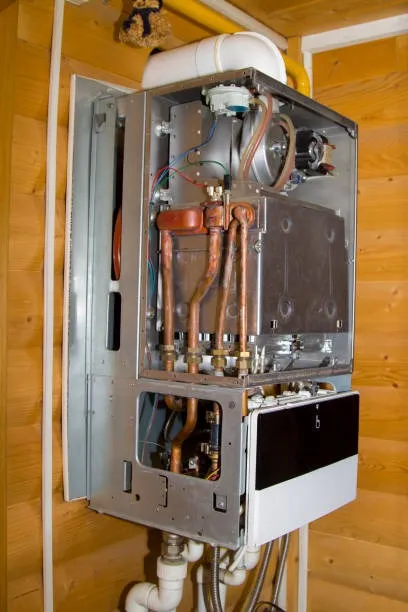
Why replace your water heater now
Common reasons Clintonville homes need water heater replacement:
- Age: Most tank heaters last 8–15 years; if your unit is older, parts and performance decline. Older heaters commonly fail during peak winter use.
- Efficiency loss: Heating elements, insulation, and tank corrosion reduce efficiency over time, increasing energy bills — a concern in Columbus-area winters when demand and energy use rise.
- Repeated failures or leaks: Frequent pilot outages, cycling, or small leaks indicate imminent failure and potential water damage to basements and utility closets common in older Clintonville houses.
- Capacity and lifestyle changes: Growing families, added bathrooms, or new appliances can outstrip an undersized unit.
- Safety and code compliance: Older gas units may lack modern vents, gas controls, or safety features required by current local codes.
Common water heater replacement issues in Clintonville, OH
- Corroded tank or connections leading to hidden leaks and basement damage
- Inadequate venting or outdated flue systems for gas units
- Electrical service limitations for high-demand electric or heat pump units
- Hard water scale buildup (Columbus-area water can increase scale) shortening lifespan
- Insufficient combustion air in tight or remodeled spaces
How your existing plumbing and venting will be evaluated
An efficient, code-compliant replacement starts with a detailed evaluation:
- Inspect the existing tank, supply lines, drain pan, and connections for corrosion or code violations.
- Evaluate venting type (natural draft, power vent, direct vent) and condition; some installations require flue modifications or new venting components.
- Check gas line size and pressure or electrical supply capacity and breaker sizing for electric and hybrid units.
- Assess drain routing and condensate management for high-efficiency or condensing units.
- Review space, clearances, and combustion air availability—especially important in older Clintonville homes with tighter utility rooms.
Replacement options and energy-efficient models
Compare the main replacement choices to match your home’s needs:
- Conventional storage tank (gas or electric): Lower upfront cost, predictable hot water recovery, simpler installation in many homes. Best when initial budget and familiar operation are priorities.
- Tankless (on-demand) water heaters: Compact, longer service life, and reduced standby losses. Deliver continuous hot water but require correct sizing and sometimes upgraded gas or electrical infrastructure.
- Heat pump (hybrid) water heaters: Very energy efficient for electric models, shifting heat rather than creating it. They perform best in spaces with adequate ambient air temperatures; basement installations in Clintonville often work well.
- High-efficiency condensing units: For gas users wanting maximum efficiency; require proper condensate handling and venting.
Factors that influence the right choice: household hot water usage, fuel availability (natural gas vs electric), installation complexity, space constraints, and long-term energy goals.
Removal and disposal of the old equipment
Professional replacement includes safe, code-compliant removal:
- Isolate utilities (gas/electric/water), drain and depressurize the unit, and disconnect fuel lines and electrical connections.
- Remove the old heater and responsibly dispose of it. Most installers recycle metal components and properly handle any hazardous materials like residual oils or insulation.
- Address any required plumbing or vent upgrades uncovered during removal, such as replacing corroded fittings, installing a new drain pan, or adding dielectric unions to prevent galvanic corrosion.
Cost estimates and return-on-investment for high-efficiency units
While exact costs vary, these are the key cost drivers and ROI considerations:
- Equipment type and efficiency rating (higher-efficiency models cost more up front).
- Fuel type and local utility rates — the higher your energy cost, the faster efficiency pays back.
- Installation complexity (venting changes, gas line upgrades, or electrical service work increase labor).
- Size and capacity required for your household.
Return-on-investment principle: higher-efficiency units (tankless, heat pump, or condensing gas) have higher upfront costs but lower operating costs. Estimate ROI by comparing annual energy savings (based on efficiency differences and your usage) against the incremental installation cost. For many Clintonville households, efficiency upgrades reduce winter fuel consumption significantly, shortening payback periods — especially when replacing a very old, inefficient unit.
Typical timeline and what to expect during replacement
- Pre-installation evaluation: A site visit to confirm sizing, venting, and any necessary upgrades.
- Day of replacement:
- Arrival and safety setup, utility shutoffs, and draining the old unit.
- Removal and disposal of the old heater.
- Install new unit: connections, venting, gas/electrical hookups, and necessary plumbing modifications.
- System startup, pressure testing, combustion testing (for gas units), and user walkthrough.
- Typical durations:
- Standard tank-to-tank replacement: usually completed in half a day to a full day.
- Tankless or heat pump installations or projects requiring venting/electrical upgrades: may require one to two days.
- Expect minor disruption to hot water availability during the work and temporary shutoff of water or gas.
Warranty and maintenance plans
Understand both manufacturer and labor protections and routine service needs:
- Warranties: Manufacturer warranties vary by type and model (parts and tank warranties for storage units, parts-only for many tankless models). Labor warranties from your installer cover installation defects for a stated period.
- Recommended maintenance:
- Annual flush to remove sediment (especially important with hard water).
- Check and test the temperature-pressure relief valve.
- Inspect anode rod on tank heaters and replace when heavily corroded.
- Verify venting and combustion performance on gas units yearly.
- Replace filters and clean components per manufacturer guidance for hybrid or tankless models.
- Consider a preventive maintenance plan that bundles annual inspections and tune-ups to extend life and keep efficiency high.
Final considerations for Clintonville homes
Clintonville’s mix of older homes and cold winters makes timely replacement and proper venting critical to safety, reliability, and energy savings. Upgrading to a higher-efficiency unit often reduces winter energy bills and lowers the risk of midseason failures. When planning replacement, prioritize correct sizing, compliant venting, and a maintenance plan to protect your investment and keep your home comfortable year-round.
Hot Deals & Cool Savings

.webp)
New Service Agreement Membership
.webp)
Any New Client Service
Next Service for Referring a New Client
New Service Agreement Membership
Any New Client Service
Next Service for Referring a New Client
.webp)
.webp)

Service Areas
