
Water Heater Repair in Clintonville, OH
Water heater repair in Clintonville, OH, expert diagnostics, fast repair, and trusted service to restore hot water. Learn more.

Water Heater Repair in Clintonville, OH
Efficient, reliable hot water is essential for daily life in Clintonville homes — from winter morning showers to laundry and dishwashing. When your water heater shows signs of trouble, quick, informed action can restore comfort, prevent property damage, and avoid higher long-term costs.
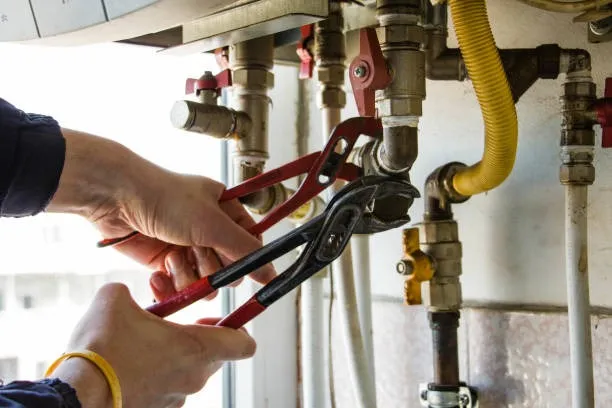
Common water heater symptoms in Clintonville homes
Clintonville’s older housing stock and seasonal cold stress can contribute to several common issues:
- No hot water or inconsistent temperatures — unit fails to heat or cycles between hot and cold.
- Leaking tank or connections — water pooling at the base, around valves, or from the tank itself.
- Strange noises — banging, popping, or rumbling from sediment buildup or failing components.
- Pilot light or ignition failures (gas models) — pilot won’t stay lit, or electric ignition fails.
- Rusty or discolored water — indicates corrosion or failing anode rod.
- Low hot water volume — reduced hot water due to sediment, damaged dip tube, or undersized tank.
- Gas odor or combustion issues — any smell of gas requires immediate action for safety.
Colder Ohio winters increase demand on units and can worsen sediment and thermostat cycling, while local hard water can accelerate scale and anode depletion.
Diagnostic process: what a technician checks
Professional diagnostics follow a methodical inspection to identify root causes without guesswork:
- Visual inspection of the tank, pressure relief valve, piping, and venting.
- Check for leaks at connections, drain valve, and tank shell.
- Test thermostats, heating elements (electric), and gas valves/ignition systems (gas).
- Measure water temperature at the outlet and compare to thermostat settings.
- Evaluate temperature and pressure relief (TPR) valve operation.
- Inspect the anode rod and check for corrosion inside the tank.
- Assess sediment levels by sampling or partial draining.
- For gas units: confirm proper combustion, venting, and check for carbon monoxide risk.
- Electrical safety checks: breakers, wiring continuity, and element resistance.
A full diagnostic yields a clear repair plan and, when repair is not practical, guidance on replacement.
Typical repair solutions and parts replaced
Most repairs address worn components or sediment-related failures. Common solutions include:
- Thermostat or heating element replacement (electric models) — restores heating functionality.
- Gas valve, thermocouple, igniter, or pilot assembly repair (gas models) — resolves ignition and pilot issues.
- Anode rod replacement — slows corrosion and extends tank life.
- Dip tube replacement — improves hot water delivery.
- Temperature and pressure relief valve replacement — critical safety repair if leaking or stuck.
- Drain valve repair or replacement — fixes leaking drain points.
- Tank patching vs tank replacement — minor pinhole leaks can sometimes be repaired, but visible tank corrosion usually indicates replacement is more reliable.
- Sediment flushing and descaling — reduces noise, restores efficiency, and prevents element burnout.
- Vent and flue repair or cleaning — ensures safe combustion and proper exhaust flow for gas units.
Parts used are industry-standard components sized for the specific make and model. In Clintonville, hard water treatment or regular flushing is often recommended to reduce recurring element and sediment issues.
Response times and emergency repair options
Timely repairs limit damage and restore service quickly. Typical expectations:
- Routine diagnostic visits are commonly scheduled within 24 to 48 hours.
- Many professional services offer same-day scheduling for non-emergency issues depending on availability.
- Emergency repairs (active leaks, no heat during extreme cold, gas odor, suspected carbon monoxide) are prioritized and can be available 24/7 with expedited response times, often within a few hours when possible.
If you detect a gas smell, shut off gas at the appliance and the house supply if safe, ventilate the area, and leave the premises before contacting emergency services. For major leaks, shut off the water supply to the heater and drain if safe to do so to limit water damage.
Pricing considerations and warranty information
Repair cost varies by the part replaced, complexity, and the unit’s age. Key factors:
- Age of the water heater — older units often cost more to repair relative to replacement value.
- Type of heater — gas, electric, or tankless have different part and labor profiles.
- Accessibility — hard-to-reach installations increase labor time.
- Emergency or after-hours service typically affects availability and cost.
Warranties to understand:
- Manufacturer warranties cover certain parts and tanks for specified periods; verify model and serial number to check coverage.
- Workmanship or service warranties from technicians often cover repair labor for a set period; confirm terms before work begins.
- Replaced parts may carry separate manufacturer warranties.
Documenting service and parts helps if you pursue warranty coverage.
When to repair vs replace
Repair is typically recommended when the unit is under 8 to 10 years old, problems are isolated to replaceable components, or a single failure occurs. Consider replacement when:
- The tank is leaking or shows widespread corrosion.
- The unit is older than 10 to 12 years and has recurring issues.
- Repairs approach a significant portion of the cost of a new unit.
- Your household needs have changed (need more capacity or greater efficiency).
Upgrading to a modern, higher-efficiency model can lower energy costs and provide better hot water capacity for larger households.
Practical troubleshooting tips for Clintonville homeowners
Before calling for service, these safe checks can save time:
- Verify power: check circuit breakers for electric units.
- Check thermostat settings: ensure they are set at an appropriate temperature (120 to 140 F industry guidance).
- Inspect for visible leaks around valves and connections.
- For gas models: confirm the pilot light (if present) or listen for ignition attempts. If you smell gas, evacuate and call emergency services.
- Flush a few gallons from the drain valve into a bucket to check for sediment or discoloration.
- Keep the area around the heater clear for ventilation and easier service access.
Avoid DIY repairs on gas lines, combustion systems, or electrical components. Incorrect handling can create safety hazards.
Long-term maintenance benefits
Regular maintenance extends service life and keeps performance steady. Recommended practices include annual inspections, periodic flushing to remove sediment (especially in hard water areas), and timely anode rod checks. In Clintonville, where hard water and colder months stress systems, proactive upkeep reduces emergency failures and maintains efficiency.
This overview equips homeowners in Clintonville, OH to recognize problems, understand professional diagnostics and repair options, evaluate warranty factors, and take safe, effective steps while awaiting service.
Hot Deals & Cool Savings

.webp)
New Service Agreement Membership
.webp)
Any New Client Service
Next Service for Referring a New Client
New Service Agreement Membership
Any New Client Service
Next Service for Referring a New Client
.webp)
.webp)

Service Areas
