
Water Heater Replacement in Baltimore, OH
Water heater replacement in Baltimore, OH: learn when to replace, explore tank, tankless, and heat pump options, and schedule installation today.

Water Heater Replacement in Baltimore, OH
Replacing an aging or failing water heater is a major decision for Baltimore, OH homeowners and businesses. With Ohio winters that push heating systems hard and local water quality factors that can accelerate wear, upgrading to a modern, efficient unit can restore reliable hot water, lower operating costs, and prevent emergency failures.
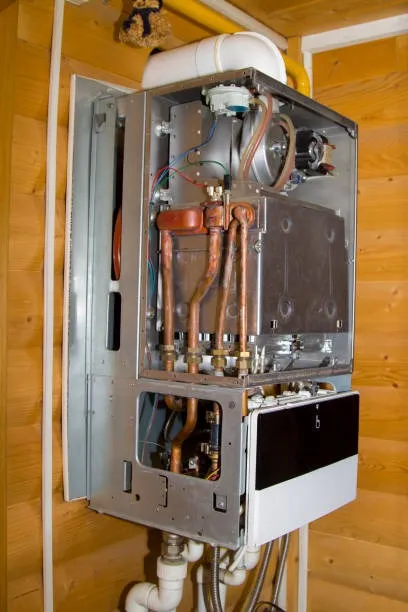
When to replace versus repair
Knowing when to replace a water heater rather than repair it prevents repeated service calls and unexpected cold showers.
Common signs replacement is recommended
- Age: Traditional tank units older than 10 to 15 years are near end of life. Tankless systems often last longer but still decline after a decade in hard-water areas.
- Rusty or discolored water: Internal corrosion of the tank often means irreversible damage.
- Leaks: Any active tank leak usually requires replacement, since a leaking tank cannot be reliably patched.
- Frequent repairs: Multiple calls for heating element, thermostat, or burner issues indicate diminishing returns.
- Insufficient capacity or slow recovery: If the unit cannot supply the household or business demand even after repairs, replacement with a larger or more efficient model is appropriate.
- Rising energy bills: Older units have lower efficiency; high bills despite normal usage suggest replacement could pay back over time.
When repair is still reasonable
- Minor component failures such as thermostats, heating elements, or sacrificial anode replacement can be cost-effective on younger units.
- If the tank is structurally sound, a targeted repair may extend useful life for several years.
Replacement options: tank, tankless, and high-efficiency models
Choosing the right system depends on space, demand, fuel availability, and long-term efficiency goals.
Tank water heaters
- Pros: Lower upfront cost, simpler installation, familiar capacity sizing in gallons.
- Cons: Standby heat loss, shorter lifespan, larger footprint.
Tankless (on-demand) water heaters
- Pros: Continuous hot water, higher energy efficiency for many households, smaller footprint, longer service life when properly maintained.
- Cons: Higher upfront cost, may require gas line, venting, or electrical upgrades; performance affected by simultaneous high demand without proper sizing.
Heat pump water heaters and hybrid models
- Pros: Very high efficiency for electric systems, excellent energy savings in moderate to warm basements or mechanical rooms.
- Cons: Reduced performance in very cold spaces and typically larger physical size.
Condensing and high-efficiency gas models
- Pros: Better fuel utilization for gas-fired systems, lower emissions and operating costs.
- Cons: More complex venting and condensate handling.
Choosing capacity and fuel type for Baltimore homes and businesses
- For tank units, match capacity to household size and peak demand. Small homes may need 30 to 40 gallons; larger households or businesses will require higher capacities.
- For tankless systems, size by flow rate in gallons per minute (GPM) and expected simultaneous use (showers, appliances).
- Consider fuel type availability: natural gas provides strong recovery rates in Ohio; electric or heat pump systems can be a good fit where gas is unavailable or where electricity rates and incentives make them economical.
- Account for cold Baltimore winters: incoming groundwater temperatures are lower, so recovery and sizing must account for greater temperature rise.
Typical replacement process and expected timeline
A structured approach keeps the project predictable and code compliant.
- Assessment: Inspect existing unit, water quality, venting, gas or electrical capacity, and installation location. Identify permit requirements.
- Recommendation and equipment selection: Confirm capacity, fuel type, efficiency level, and any site upgrades needed.
- Permits and scheduling: Many Ohio municipalities require permits and inspections for water heater replacement. Factor time for permit approval.
- Installation:
- Residential simple swap: commonly completed in 4 to 8 hours.
- Tankless or systems requiring venting/gas/electrical upgrades: 1 to 2 days, longer if structural or utility upgrades are needed.
- Commercial or complex systems: several days to coordinate equipment, subcontractors, and inspections.
- Testing and inspection: Pressure testing, combustion air and vent checks (for gas units), and final inspection if required.
Removal and disposal procedures
Safe removal and compliant disposal protect property and the environment.
- Drain and disconnect the old unit safely, cap supply lines, and neutralize gas or electrical connections.
- Dispose of tanks and components per Ohio regulations; many tanks contain scrap metal that can be recycled.
- Properly handle and dispose of any oil, insulation, or contaminated water according to local guidelines.
- Document disposal for inspections and warranty transfer when applicable.
Cost factors to expect
Several variables influence total project cost without listing specific prices.
- Unit type and efficiency rating
- Capacity and fuel source
- Complexity of installation: venting, gas line sizing, electrical upgrades, or structural changes
- Need for water treatment (softeners or filters) to protect new equipment
- Permit and inspection fees
- Removal and recycling of the old unit
- Warranty options and any required labor guarantees
Warranties and reliability
- Manufacturer warranties cover defects on tanks and key components; lengths vary by model and efficiency level.
- Labor warranties cover installation work and are separate from manufacturer coverage. Confirm both lengths and any exclusions.
- Proper sizing, ventilation, and water treatment all affect long-term reliability and warranty validity.
Tips for selecting the right unit in Baltimore, OH
- Match capacity to peak demand and consider future needs like additions or higher hot water use.
- Factor in local water quality: if your home has hard water, choose a unit that tolerates mineral buildup and plan for a water softener or regular descaling.
- Prioritize energy efficiency ratings: look for Unified Energy Factor (UEF) or efficiency metrics for accurate comparisons.
- Verify that the installation location remains frost-protected in winter and has adequate combustion air for gas units.
- If replacing a gas unit, check existing gas line capacity and venting; upgrades may be required for tankless or high-efficiency models.
- Evaluate total cost of ownership: higher efficiency often reduces operating costs over the device lifespan.
- Confirm local permit requirements and that the chosen equipment meets Ohio plumbing and mechanical codes.
Maintenance and long-term benefits
Upgrading provides immediate reliability and efficiency gains. Routine maintenance preserves those benefits:
- Annual inspections and flushing for tank units to remove sediment.
- Descaling and filter checks for tankless systems in hard-water areas.
- Anode rod inspection and replacement as needed.
- Periodic combustion and vent checks for gas units.
Upgrading a water heater in Baltimore, OH improves comfort, reduces emergency service needs in winter, and often lowers energy bills when you select the right technology and size for your property.
Replacing a failing water heater is both a technical and practical decision. Proper assessment, choosing the best-fit technology, following code and disposal rules, and planning for maintenance will maximize the return on your replacement and deliver reliable hot water through Baltimore winters and beyond.
Hot Deals & Cool Savings

.webp)
New Service Agreement Membership
.webp)
Any New Client Service
Next Service for Referring a New Client
New Service Agreement Membership
Any New Client Service
Next Service for Referring a New Client
.webp)
.webp)

Service Areas
