
Water Heater Repair in Baltimore, OH
Water heater repair in Baltimore, OH offers fast, accurate diagnosis, durable repairs, emergency options, and practical maintenance tips.

Water Heater Repair in Baltimore, OH
When your water heater fails, it affects daily life immediately—showers, laundry, dishwashing, and business operations can all stop. Water Heater Repair in Baltimore, OH focuses on fast, accurate diagnosis and durable repairs for both residential and commercial systems.
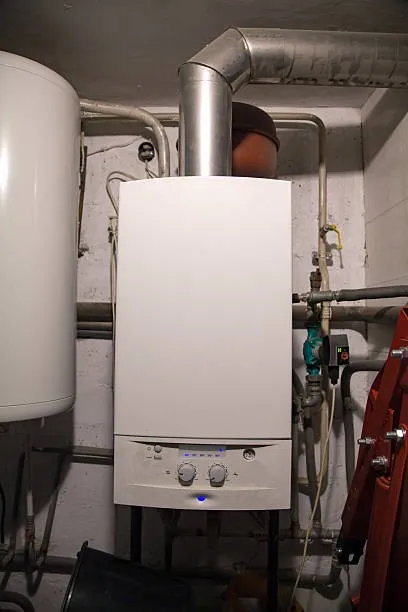
Common water heater issues in Baltimore, OH
Baltimore, OH homeowners and small businesses commonly experience these problems:
- No hot water or very little hot water. Often caused by failed heating elements, a bad thermostat, or a tripped circuit/burnt-out pilot on gas units.
- Inconsistent temperature. Fluctuating hot water during a shower usually points to thermostat issues, scaling, or a failing dip tube in tank systems.
- Leaks at the tank or connections. Corrosion, loose fittings, failed pressure relief valves, or seam failure can create visible leaks and water damage risk.
- Unusual noises. Popping, rumbling, or banging typically stem from sediment buildup on the tank bottom causing uneven heating.
- Slow recovery times. Older or undersized units and clogged burners can struggle to refill the hot supply after heavy use.
- Pilot light or ignition problems on gas models. This includes safety switches, thermocouples, or electronic ignition components failing.
- Discolored or foul-smelling water. Corrosion or bacterial growth in neglected systems are common causes, especially in warmer months.
Local climate in Baltimore, OH influences some of these issues. Cold winters increase demand and create freeze risks for exposed pipes or outdoor tanks, while moderate to hard water in the region accelerates sediment and scale buildup that shortens component life.
How diagnosis is performed
A reliable repair begins with a thorough diagnostic process designed to find root causes rather than temporary fixes. Typical diagnostic steps include:
- Visual inspection of the tank, connections, pressure relief valve, and venting for immediate safety concerns.
- Checking for power or gas supply issues, including breakers, fuses, pilot, and gas lines.
- Measuring water temperature at multiple points to assess thermostat accuracy and heating element performance.
- Performing pressure and leak tests on valves and connections.
- Using thermal imaging or infrared tools on advanced diagnostics to detect cold spots or failing insulation.
- Flushing a sample to check for sediment, discoloration, or odors that indicate internal corrosion or bacterial growth.
Diagnostics identify whether a repair, part replacement, or full replacement provides the best value and reliability for the homeowner or business.
Typical repairs and parts replaced
Common repairs cover both simple and complex issues. Typical replacements and repairs include:
- Heating elements and thermostats on electric units. These are common wear items that restore heating performance.
- Gas pilot assemblies, thermocouples, and gas valves. Replacing ignition components fixes many gas failure cases.
- Anode rod replacement. Restoring the sacrificial anode protects the tank from corrosion and extends its life.
- Sediment removal and tank flushing. Clearing scale and sediment reduces noise, improves efficiency, and prevents premature element failure.
- T&P (temperature and pressure) relief valve replacement. A leaking or stuck relief valve requires immediate replacement for safety.
- Dip tube replacement. Restores proper cold water delivery to the tank bottom and prevents mixing of hot and cold.
- Tank patching or fitting repairs. Small pinhole leaks at connections are sometimes repairable; ruptured tanks often need replacement.
- Thermostatic mixing valves and expansion tanks. Installations or replacements to control outlet temperature and reduce pressure stress.
Technicians prefer genuine OEM or high-quality aftermarket parts for durability and compatibility. Repaired systems are tested under normal operating conditions to confirm the issue is resolved.
Emergency repairs and expected response in Baltimore, OH
Emergency situations such as major leaks, lack of heat in winter, or safety-related gas issues require fast response. Local conditions in Baltimore, OH—cold snaps and increased winter demand—make timely service important.
- Typical response times vary by provider and call volume but emergency calls are prioritized, with many technicians able to respond the same day for critical issues.
- After-hours and weekend emergency repair options are commonly available because heating failures in winter present immediate risks.
- Safety first: immediate actions may include shutting off power or gas and isolating water to prevent damage until full repairs are completed.
Estimates and what affects repair cost
Transparent written estimates are standard practice. Several factors influence the cost of water heater repair:
- Type of unit: tank vs tankless, electric vs gas, and commercial vs residential systems have different parts and labor requirements.
- Age and condition of the water heater. Older units may require more extensive work or prompt replacement.
- Parts required. OEM parts and specialty components increase parts cost compared to common items like elements or valves.
- Accessibility. Units in tight utility closets, basements with limited access, or rooftop installations increase labor time.
- Local code or permit requirements for certain gas or replacement work can add fees or require additional components.
Estimates typically explain each charge category so decision makers can compare repair versus replacement on an apples-to-apples basis.
Maintenance tips to prevent repeat failures
Routine maintenance extends the life of your water heater and reduces emergency repairs. Key maintenance actions include:
- Annual flush to remove sediment, especially important in Baltimore, OH where mineral content can be an issue.
- Replace the anode rod every 3 to 5 years, or when inspection shows heavy corrosion.
- Test the temperature and pressure relief valve annually to confirm it opens and reseats properly.
- Check for leaks, rust, and corrosion around fittings and the tank regularly.
- Insulate exposed hot water pipes and consider a tank blanket on older units to reduce heat loss in winter.
- For gas units, inspect venting and combustion air paths and keep the area clear of debris or stored items.
- Consider a water-softening solution if local water hardness contributes to rapid scale buildup.
Regular maintenance prevents many common failures and provides documentation useful for warranty claims.
Warranties, parts, and reliability
Parts and labor warranties differ. Manufacturer warranties typically cover tank failure and major components for a set period, often prorated by age. Labor warranties are provided by repair professionals for the work performed and vary by provider. Using OEM parts preserves manufacturer coverage on many units.
For commercial properties, documentation of repairs and maintenance is key to meeting insurance and code requirements. Replacing failing components with high-quality parts and keeping clear service records improves long-term reliability.
Repair versus replacement: how to decide
Repair is often the right choice when the fault is isolated, the tank is in good condition, and the unit is relatively new. Replacement should be considered when:
- The water heater is approaching the end of its expected life (typically 8 to 12 years for tank systems).
- Multiple components are failing or repairs would be frequent.
- The unit is inefficient compared to modern models and higher efficiency would lower operating costs.
- Tank leaks or severe corrosion are present.
A clear estimate comparing repair costs, expected remaining life, and replacement options helps property owners make an informed decision.
Hot Deals & Cool Savings

.webp)
New Service Agreement Membership
.webp)
Any New Client Service
Next Service for Referring a New Client
New Service Agreement Membership
Any New Client Service
Next Service for Referring a New Client
.webp)
.webp)

Service Areas
