
Water Heater Repair in Worthington, OH
Water heater repair in Worthington, OH delivers fast diagnostics, safe fixes, and lasting performance. Learn more about services.

Water Heater Repair in Worthington, OH
A reliable water heater is essential for daily life in Worthington, OH. Cold winters, older homes with original plumbing, and moderately hard municipal water can accelerate wear on water heaters, turning a small issue into a no-hot-water emergency.
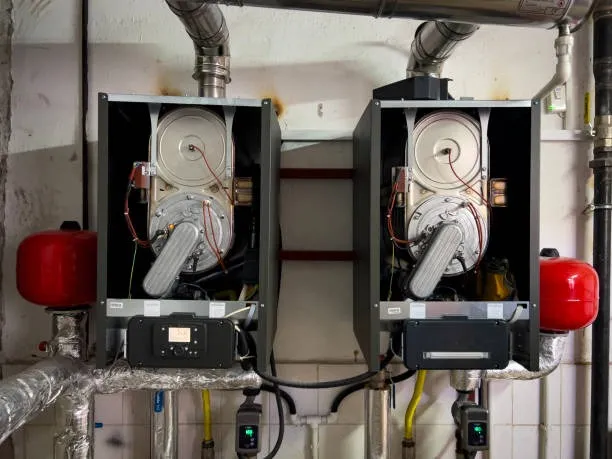
Common water heater problems in Worthington homes
Homes in Worthington experience a predictable set of failures driven by regional factors like hard water and seasonal usage peaks. Common issues include:
- No hot water or insufficient hot water - often caused by failed heating elements, thermostats, or combustion problems on gas units.
- Leaks - tank corrosion, loose fittings, failed valves, or a cracked tank.
- Strange noises - rumbling or banging from sediment build-up in the tank.
- Pilot light or ignition failures - standing pilot outages, faulty thermocouples, or electronic ignition malfunctions on gas units.
- Thermostat or heating element failures - electrical elements burn out or thermostats stop calling for heat.
- Pressure relief valve discharge and temperature problems - failed T&P valves or excessive system pressure.
- Tankless performance issues - scale build-up, error codes, or inadequate flow due to undersizing or blocked inlets.
Types of water heaters we diagnose and repair
- Conventional tank gas water heaters
- Electric tank water heaters
- Tankless (on-demand) gas and electric units
- Hybrid heat-pump water heaters
- Propane-fired units
- Commercial/large-capacity residential systems
Diagnostic process: how problems are identified
A thorough diagnostic process isolates the cause so repairs address the root issue rather than symptoms. Typical diagnostic steps:
- Safety and system isolation - confirm electrical power and gas supply status, isolate water supply if a leak is suspected, and visually inspect for hazards.
- Visual inspection - check for corrosion, leaks at fittings, valve condition, tank bulging, and visible damage to vents or exhausts.
- Functional checks - test thermostat settings, heating elements with a multimeter, and pilot/ignition systems on gas units.
- Pressure and temperature checks - test system pressure, T&P valve operation, and outlet temperature to verify performance.
- Water quality assessment - look for signs of hard water, scale, or sediment that can damage components.
- Component-level testing - inspect anode rod, dip tube, gas control valve, and electronic control modules as needed.
Diagnostics in Worthington often focus on sediment removal and anode rod condition because the local water hardness contributes to faster scale buildup and corrosion.
Typical repair procedures and parts used
Repairs are selected based on diagnostic findings and aim to restore safe, reliable operation with durable components. Common repair procedures:
- Replace heating elements or thermostats on electric units - standard elements, high-wattage elements, and new thermostats are common parts.
- Repair or replace gas control valves, thermocouples, pilot assemblies, and ignition modules on gas units.
- Flush and descale tanks to remove sediment - addresses noises and restores efficiency.
- Replace sacrificial anode rods to slow tank corrosion and extend service life.
- Replace faulty T&P (temperature and pressure relief) valves or install expansion tanks where needed.
- Repair or replace leaking valves and fittings - inlet/outlet connections, drain valves, and mixing valves.
- Patch minor leaks or recommend tank replacement for significant corrosion or structural failure.
- For tankless units, clean or replace scale-sensitive components, replace flow sensors, and update control boards when necessary.
Parts used typically include OEM-compatible thermostats, heating elements, gas valves, anode rods, T&P valves, dip tubes, pressure relief components, and electronic ignition modules. Using quality parts reduces repeat service calls and improves long-term reliability.
Emergency repair response in Worthington
When a water heater fails unexpectedly, rapid response focuses on safety and minimizing damage:
- Immediate safety actions - isolate gas and electrical supply and shut off water to stop flooding if a leak is present.
- Temporary measures - secure valve or piping to prevent continued leakage, and advise on safe water use until repairs are completed.
- Prioritized diagnostics - fast-track testing of ignition and electrical circuits for no-heat calls, and visual leak assessment for flooding issues.
- Follow-up repair scope - determine whether a part replacement, tank flush, or full unit replacement is the safest long-term solution.
Worthington winters amplify the urgency of emergency repairs. Freezing temperatures increase the risk of burst pipes and prolonged cold showers, so attention to insulation and timely response is particularly important here.
Warranties and reliability expectations
Warranties vary by component and manufacturer, but knowledgeable repairs include clear expectations about coverage:
- Parts warranties - many replacement parts carry manufacturer or supplier warranties; quality OEM parts generally have longer warranty periods.
- Labor reliability - reputable repair work is typically backed by a limited labor warranty covering workmanship for a defined period.
- Life-extension measures - replacing anode rods, fixing leaks promptly, and removing sediment can add years to a tank’s usable life, while repeated corrosion or tank failure usually means replacement is the safest option.
Documentation of parts installed and work performed helps when coordinating any future warranty claims or home inspections.
Maintenance tips to prevent future breakdowns
Routine maintenance reduces the frequency of repairs and helps Worthington homeowners avoid winter emergencies:
- Annual flush - drain and flush tank-type heaters once a year to remove sediment; in hard-water areas consider flushing every six months.
- Anode rod inspection - check the sacrificial anode every 2 to 3 years and replace if significantly corroded.
- Test T&P valve - lift the valve lever once a year to ensure proper operation.
- Set temperature thoughtfully - maintain 120 degrees Fahrenheit to balance safety, efficiency, and scald prevention.
- Insulate tank and pipes - insulating the first few feet of hot water pipes and the tank can reduce heat loss during cold months.
- Install a water softener or scale prevention device - where municipal water hardness is high, softening reduces scale on heating elements and inside tanks.
- Address slow leaks immediately - even small drips can indicate tank corrosion and accelerate failure.
- For tankless units, schedule professional descaling based on manufacturer recommendations, often annually in hard-water areas.
Why timely repair matters in Worthington
Prompt, correct repairs prevent water damage, reduce energy waste, and extend equipment life. In Worthington homes, where older plumbing and seasonal load variations are common, addressing problems early can avoid frozen pipe complications and the need for full system replacement during peak cold periods. Proper diagnostics and high-quality parts protect your home and keep hot water available when it matters most.
This content outlines what to expect from professional water heater diagnostics and repairs in Worthington, OH, and offers practical guidance to maintain system reliability year-round.
Hot Deals & Cool Savings

.webp)
New Service Agreement Membership
.webp)
Any New Client Service
Next Service for Referring a New Client
New Service Agreement Membership
Any New Client Service
Next Service for Referring a New Client
.webp)
.webp)

Service Areas
