
Water Heater Repair in Hebron, OH
Water heater repair in Hebron, OH provides on-site diagnostics, fast fixes, and preventive tips. Schedule service today to restore hot water.

Water Heater Repair in Hebron, OH
A malfunctioning water heater disrupts daily routines and can quickly cause water damage or safety hazards. Water heater repair in Hebron, OH focuses on diagnosing the root cause, making reliable repairs on site, and recommending preventive steps to keep your unit running through cold Ohio winters. Whether your home uses a gas, electric, or tankless system, local factors like seasonal temperature swings and moderately hard water in the area influence common failure modes and maintenance needs.
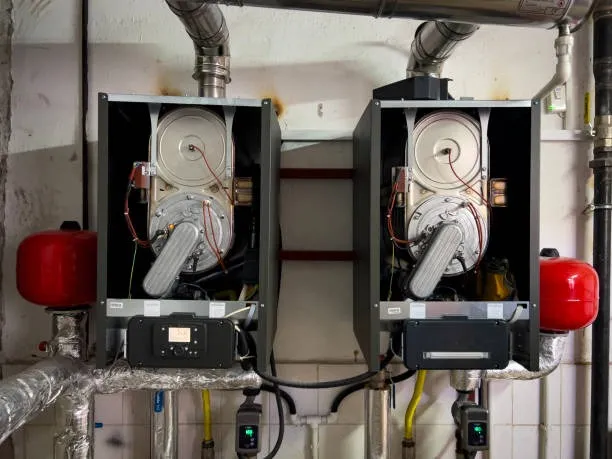
Common water heater problems in Hebron, OH
- No hot water or intermittent heat: Often caused by failed heating elements, thermostats, tripped breakers, or gas supply/ignition faults on gas units.
- Insufficient hot water: Sediment buildup reduces tank capacity and heat transfer. Dip tube failure on tank models and undersized units for household demand are also common.
- Leaks: Loose fittings, corroded tank walls, failed pressure relief valves, or leaking valves and connections can lead to visible pooling and hidden damage.
- Strange noises: Popping, rumbling, or banging usually indicate sediment layering on the tank bottom or scale on heating elements causing overheating and noise.
- Pilot or ignition issues (gas units): Faulty thermocouples, dirty burners, or ignition module failures prevent consistent pilot light or electronic ignition operation.
- Rapidly rising utility bills: Inefficient operation from failing components, scale buildup, or an aging unit will increase energy use.
- Rusty or discolored water: Corroded anode rods, internal corrosion, or deteriorating piping can discolor water and indicate a unit nearing end of life.
On-site diagnostic and troubleshooting process
- Initial safety and system check: Confirm fuel and power availability, check for gas odors, and secure electrical shutoffs before any work begins.
- Visual inspection: Examine tank condition, visible fittings, venting (for gas units), expansion tanks, and evidence of leaks or corrosion.
- Functional tests: Measure water temperature at taps, test thermostat operation, verify pilot or ignition sequence, and run pressure relief valve checks.
- Component testing: Test heating elements with a multimeter, check thermocouple and gas valve operation, and assess circulation and sensors on tankless units.
- Water quality and sediment assessment: Drain a sample to inspect for sediment or rust and advise on flushing needs or water treatment if hard water is present.
- Clear documentation: Provide a concise diagnosis of failed components, safety issues, and recommended repair steps with an explanation of projected timelines.
Most diagnostics can be completed on site in under an hour for straightforward systems; more complex issues or tankless electronics may require additional testing.
Typical repair procedures and parts replacement
- Heating element replacement: For electric tanks, changing elements or thermostats restores heat quickly when elements fail.
- Thermocouple, pilot assembly, or ignition module service: Gas unit ignition problems often need replacement of these components and burner cleaning.
- Drain and flush: Removing sediment restores heat transfer and can resolve noises and low hot water capacity.
- Pressure relief valve and drain valve replacement: These safety items fail more often than the tank and are routinely replaced when leaking or stuck.
- Anode rod replacement: Replacing a depleted anode helps prevent internal tank corrosion and extend tank life.
- Dip tube replacement: Fixes cold-water channeling issues that reduce hot water availability.
- Control board or sensor replacement for tankless units: Modern systems require electronic component service or replacement for proper operation.
- Tank repairs and leak assessment: Small connection leaks are often repairable; significant tank corrosion usually indicates replacement is the safer long-term solution.
Work is performed to code and with parts selected for compatibility and longevity. When OEM parts are available, they are preferred; quality aftermarket parts may be used when appropriate.
Emergency response and typical turnaround times
- Emergency situations: Active leaks, no shutoff capability, gas smell, or complete loss of hot water in cold weather are treated as high priority. Emergency response is prioritized to limit water damage and safety risks.
- Typical arrival windows: Emergencies are handled as quickly as local scheduling allows; non-emergency repairs are scheduled within a short business window. On-site repair time varies by complexity.
- Repair duration: Simple repairs (element, valve, thermostat) often take 1 to 3 hours. Moderate jobs (anode rod, drain and flush, burner service) typically finish the same day. Complex repairs that require special-ordered parts or tank replacement can take several days depending on parts availability and permitting.
Winter months increase urgency because extended outages risk frozen pipes and loss of heat-related comfort. Technicians will advise interim safety measures when immediate repair is not possible.
Estimates and warranty information (what to expect)
- How estimates are determined: Final costs depend on unit type (gas, electric, tankless), age and condition, parts required, and any necessary code-compliant venting or piping updates. Diagnostics identify the scope and provide a written estimate before work proceeds.
- Pricing structure: Repairs are commonly structured as a diagnostic fee plus parts and labor. More extensive work or replacements will come with a detailed scope and timeline.
- Warranty types: Manufacturer warranties typically cover tanks and major components for a specified number of years (varies widely by model and age). Parts suppliers commonly offer limited warranties on replacement components. Labor warranties from service providers are usually time-limited and cover workmanship for a stated period. Always request written warranty terms for parts and labor to ensure expectations are clear.
Preventive maintenance to extend unit life in Hebron homes
- Annual flush and sediment removal: Especially important in areas with hard water to reduce scale that shortens life and reduces efficiency.
- Inspect or replace the anode rod every 2 to 4 years depending on water quality to slow tank corrosion.
- Test the temperature-pressure relief valve yearly to prevent pressure buildup failures.
- Lower thermostat to 120 F for energy savings and to reduce scale, while keeping a safe balance to avoid bacterial growth.
- Insulate hot water pipes and consider insulating older tanks to limit heat loss during cold spells.
- For gas units: inspect venting and combustion air, clean burners annually to maintain safe and efficient operation.
- Consider water treatment: If scale or mineral staining is persistent, a water softener or sediment filter can reduce wear on the heater and household plumbing.
Regular maintenance reduces emergency calls, improves efficiency, and delays replacement.
Benefits of timely repair and maintenance
Prompt diagnostics and repair protect your home from water damage, restore reliable hot water, improve energy efficiency, and extend the life of the water heater. In Hebron, OH where cold winters and local water conditions stress systems, regular attention prevents most common failures and gives homeowners predictable performance. Properly documented repairs and warranties also help with safety compliance and provide peace of mind about continued operation.
Addressing issues early and following a consistent maintenance plan are the best ways to avoid unexpected failures and costly replacements down the road.
Hot Deals & Cool Savings

.webp)
New Service Agreement Membership
.webp)
Any New Client Service
Next Service for Referring a New Client
New Service Agreement Membership
Any New Client Service
Next Service for Referring a New Client
.webp)
.webp)

Service Areas
