
Tankless Water Heater in Hebron, OH
Tankless water heater installation in Hebron, OH delivers endless hot water and energy savings. Learn more.

Tankless Water Heater in Hebron, OH
Upgrading to a tankless (on-demand) water heater in Hebron, OH delivers continuous hot water, a smaller mechanical footprint, and real energy savings for homeowners who want a long-term solution. For local homes facing cold winters, occasional hard water, and space-limited utility areas, on-demand systems often make more sense than traditional tank heaters.
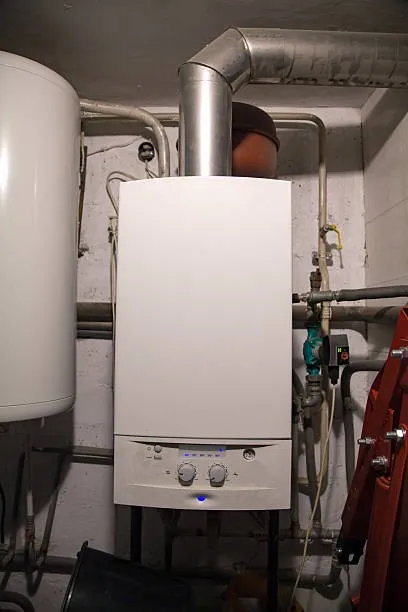
How a tankless water heater works and why it matters
A tankless water heater heats water only when you open a tap or run a fixture. A flow sensor activates heating elements or a gas burner, delivering hot water continuously as long as the unit can meet the flow demand. The immediate advantages are:
- Endless hot water for long showers or back-to-back loads
- Reduced standby heat loss since there is no storage tank
- Smaller footprint that can free up a utility closet or basement space
In Hebron, colder mains water in winter increases the temperature rise required from the unit, so sizing and fuel choice are especially important.
Common tankless water heater issues in Hebron, OH
Understanding common problems helps you choose the right system and plan maintenance:
- Mineral buildup and scaling from moderately hard local water - reduces performance and flow
- Undersized units that can’t handle multiple simultaneous fixtures, especially in cold months
- Venting and combustion air complications for gas units in retrofit situations
- Electrical panel limitations for high-capacity electric units
- Periodic error codes or reduced efficiency when annual maintenance is skipped
Types of tankless systems
- Gas condensing - highest output and best efficiency for larger homes; requires proper venting and condensate drain
- Gas non-condensing - simpler venting profiles for some installations, still suitable for high flow demand
- Electric - simpler installation where gas is not available or for point-of-use; may require panel upgrades for whole-house demands
- Point-of-use - small electric units installed at a single fixture to eliminate wait time and line losses
Sizing basics and fuel-type considerations
Sizing a tankless system means matching peak flow rate (GPM) and the required temperature rise (difference between incoming water temp and desired output).
- Typical fixture flow rates:
- Shower: 1.5 - 2.5 GPM
- Kitchen sink: 1.5 - 2.0 GPM
- Dishwasher: 1.0 - 1.5 GPM
- Rough household guidelines:
- 1-2 persons: 6 - 8 GPM
- 3-4 persons: 8 - 11 GPM
- 5+ persons or simultaneous showers: 11+ GPM or consider multiple units
Local note: colder winters in Hebron mean your incoming water temperature will be lower than in warm climates; that increases the temperature rise the unit must supply. Gas-fired tankless units typically handle larger temperature rises more economically than electric models for whole-house use. Electric units remain a strong option for smaller homes, point-of-use installations, or homes with limited access to natural gas.
Installation and retrofit considerations
- Gas units require careful venting, combustion air supply, and possibly stainless steel or special PVC venting for condensing models.
- Electric units may require high-capacity breakers and significant kW service; older homes often need electrical panel upgrades.
- Retrofitting a tank system often means changing venting, gas lines, or electrical service; wall mounting and condensate handling are additional considerations.
- Permits and code compliance are part of installation in Hebron; local building codes dictate venting, fuel connections, and combustion air requirements.
Maintenance and descaling
Regular care is essential to keep a tankless unit operating efficiently:
- Annual service for gas units: burner inspection, combustion analysis, vent check
- Descaling (flushing) every 6-12 months in homes with mineral content in the water; more frequent in harder water
- Clean inlet filters and screens as recommended by the manufacturer
- Inspect condensate drains and vent terminations
- Consider installing a whole-house water softener or a dedicated scale-reduction device if your water shows significant hardness
Proper maintenance extends life, preserves efficiency, and reduces risk of unexpected downtime when you need hot water most.
Cost vs lifetime savings analysis
- Upfront cost: tankless systems and installation are typically more expensive up front than traditional tanks, especially when venting or electrical upgrades are required.
- Operating savings: because there is no standby heat loss, many homeowners see meaningful energy savings over time. Actual savings depend on household hot water use, fuel type, and local energy prices.
- Lifetime and reliability: tankless units commonly last 15-20 years or longer with proper maintenance, which is longer than typical tank systems. Modular components can often be replaced, extending useful life.
- Break-even thinking: when evaluating cost, account for increased lifespan, energy savings, reduced space needs, and potential rebates or incentives that may be available regionally.
Recommended brands and models for Hebron homes
Several manufacturers are consistently reliable for whole-house and point-of-use applications. Look for models sized to your peak demand and compatible with local installation constraints:
- Rinnai (RU and V series) - well-regarded for high-flow gas units
- Navien NPE-A series - high efficiency condensing gas units with integrated recirculation options
- Noritz - a wide range of compact gas units popular for replacements and space-limited installs
- Stiebel Eltron Tempra series - proven electric units for point-of-use or smaller whole-house needs
- Rheem Performance Tankless and Bosch Greenstar - solid options with varied capacity and venting choices
Always confirm model specifications against your required GPM and temperature rise before purchase.
Which households benefit most
- Singles and couples: point-of-use or smaller whole-house units provide plenty of hot water and fast recovery.
- Families with simultaneous showers and laundry: higher-capacity gas condensing units or multiple parallel units give reliable performance in cold months.
- Homes with limited space or wanting a cleaner mechanical room: tankless units reclaim floor or closet space.
- Older homes without gas service: electric tankless can be practical for smaller loads or as point-of-use solutions, but whole-house electrics often require significant panel capacity.
Final notes and practical tips
- Have a professional perform a heat-loss and flow analysis that accounts for Hebron winter mains temperatures before choosing a unit.
- Factor in maintenance costs and descaling frequency if local water is mineral-rich.
- Verify venting and electrical service early in the planning stage to avoid surprise retrofit expenses.
- Consider pairing a tankless system with a small buffer or tempering tank if you need very high peak flows or want to mitigate temperature fluctuations.
A properly sized and maintained tankless water heater can deliver reliable hot water and long-term savings for Hebron homes. Focus on accurate sizing for winter temperature rises, plan for maintenance given local water quality, and choose a model designed for your household's simultaneous hot water needs.
Hot Deals & Cool Savings

.webp)
New Service Agreement Membership
.webp)
Any New Client Service
Next Service for Referring a New Client
New Service Agreement Membership
Any New Client Service
Next Service for Referring a New Client
.webp)
.webp)

Service Areas
