
Water Heater Installation in OSU, OH
Water heater installation in OSU, OH by trusted experts— we size, vent, and install compliant systems with full-service support.

Water Heater Installation in OSU, OH
Replacing or upgrading a water heater is a decision that affects comfort, safety, and monthly energy costs in OSU, OH homes. Whether you have an aging tank that’s leaking, want to switch to a more efficient model, or need a unit sized for a larger household, professional water heater installation ensures the right equipment, correct venting and fuel connections, and compliance with local codes.
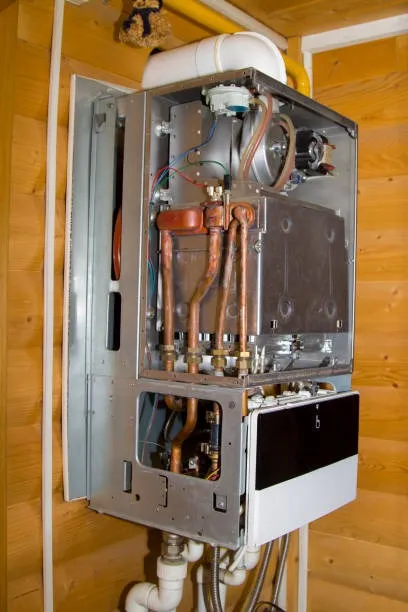
Common water heater issues in OSU, OH
- Inconsistent hot water or short hot-water runs — often caused by undersized tanks or failing heating elements.
- Leaks and corrosion around the tank — typically from age, sediment buildup, or failed fittings.
- Rising energy bills — older tanks or inefficient models waste energy; tankless sizing errors can also reduce efficiency.
- Pilot light or ignition failures on gas units, and frequent cycling on electric units.
- Freezing risk for exterior or poorly insulated lines during Columbus winters.
- Sediment and scale buildup from moderately hard local water, reducing efficiency and shortening tank life.
Types of installations and comparisons: tank vs tankless and alternatives
- Tank water heaters (gas or electric)
- Pros: lower upfront cost, simpler replacement in existing locations, reliable stored hot water.
- Cons: standby heat loss, larger footprint, limited hot-water recovery.
- Tankless (on-demand) water heaters
- Pros: virtually endless hot water, smaller footprint, higher long-term energy efficiency for many households.
- Cons: higher upfront cost, may require gas-line upsizing or significant electrical service upgrades, performance depends on correct sizing and flow rates.
- Heat pump / hybrid water heaters
- Pros: best energy efficiency in suitable spaces, significant utility bill reductions.
- Cons: require adequate space and specific ambient conditions for optimal operation; may need backup heating in very cold winters.
- Condensing gas units and combination systems
- Options for high-efficiency installations where gas is available and venting can be configured properly.
Site assessment and unit sizing
A thorough site assessment is the first step. Key factors considered:
- Household hot-water demand: number of occupants, peak usage times (showers, laundry, dishwasher).
- Available utilities: natural gas supply pressure, propane availability, and household electrical service capacity.
- Physical space for the unit and venting paths, including clearance and access for maintenance.
- Water quality and hardness to determine whether sediment-prevention measures or water-softening are advisable.Sizing specifics:
- For tank systems: choose capacity (gallons) and first-hour rating based on peak demand.
- For tankless: size by required flow rate (gallons per minute) and required temperature rise during cold OSU winters.Professional assessment prevents common mistakes like undersizing a tankless for simultaneous showers or oversizing a tank that increases standby losses.
Venting, gas, and electrical requirements
Correct venting and fuel connections are critical for safety and code compliance:
- Gas units require proper gas-pipe sizing, shutoff valves, and combustion air. Venting options include direct-vent, power-vent, or conventional flue systems depending on model and location.
- Electric and heat-pump units demand adequate breaker size and dedicated circuits. Tankless electric models often need high-amperage 240V service and may require panel upgrades.
- Exterior installations or units in unheated spaces must be protected against freezing and meet local draft and condensation control requirements.All venting, gas, and electrical work must meet Ohio state codes and local municipal regulations in Columbus and the OSU area.
Permits and code compliance in OSU, OH
Permits and inspections are a standard part of a professional installation. Typical process elements:
- Pulling required plumbing, mechanical, and electrical permits with the local jurisdiction.
- Ensuring installations meet Ohio building, plumbing, and fuel codes as enforced by Columbus/OSU-area inspectors.
- Providing documentation for inspections and leaving as-built information for future service or resale.Proper permitting protects safety, avoids fines, and preserves home insurance and resale value.
Installation process and timeline
A typical full-service installation includes:
- Pre-install inspection and final unit selection based on on-site measurements.
- Scheduling and permit submission (if required before work begins).
- Removal and proper disposal or recycling of the old unit.
- Mechanical and electrical/gas work: mounting, piping, vent installation, combustion-air provision, and electrical connections.
- Startup, leak checks, combustion analysis for gas units, temperature-pressure relief testing, and flow verification for tankless units.
- Final inspection and paperwork for warranties and permits.Timeline: most straightforward tank-to-tank replacements are completed in a half-day to one day. Conversions (electric to gas, tank to tankless) or jobs requiring utility upgrades or structural venting can take one to two days or longer depending on permitting and complexity.
Warranty, testing, and documentation
A professional installation includes:
- Manufacturer warranty on the unit and a labor or installation warranty covering workmanship.
- Post-installation testing: leak checks, pressure tests, combustion efficiency and CO checks for gas appliances, and temperature/flow verification.
- Documentation of serial numbers, warranty registration guidance, and as-installed diagrams for maintenance or future service calls.
Financing and energy rebates in OSU, OH
Many homeowners pursue financing or incentives to offset higher-efficiency models:
- Financing options commonly include home improvement loans, utility financing programs, or manufacturer financing plans through third-party lenders.
- Energy-efficiency rebates and incentives are frequently available from local utilities, state energy programs, or national tax credits for qualified high-efficiency and heat pump water heaters.Checking current local utility rebate programs and energy-efficiency incentives before purchase can materially reduce overall cost and improve payback.
Long-term benefits and maintenance tips
Choosing the right water heater and a professional installation provides:
- More reliable hot water and consistent temperatures during OSU’s cold months.
- Reduced energy use and lower utility bills with properly sized, high-efficiency systems.
- Improved safety and compliance, preventing CO risks and gas leaks.Maintenance recommendations to extend service life:
- Flush tank-style heaters annually or per manufacturer to reduce sediment build-up.
- Inspect and replace the sacrificial anode rod every 3–5 years in areas with moderate hardness.
- Test the temperature-pressure relief valve yearly and check for leaks or corrosion.
- For tankless units, schedule periodic descaling if local water hardness is high.
- Insulate exposed pipes and install freeze protection for external units or systems in unheated spaces.
Choosing the right water heater for your OSU, OH home means balancing upfront cost, long-term energy savings, available space, and household hot-water needs. Proper assessment, professional installation, and attention to local code and climate factors ensure safe, efficient, and reliable hot water for years to come.
Hot Deals & Cool Savings

.webp)
New Service Agreement Membership
.webp)
Any New Client Service
Next Service for Referring a New Client
New Service Agreement Membership
Any New Client Service
Next Service for Referring a New Client
.webp)
.webp)

Service Areas
