
Tankless Water Heater in OSU, OH
Discover how tankless water heaters work in OSU, OH, compare gas and electric options, and get installation guidance to save energy. Learn more.

Tankless Water Heater in OSU, OH
Switching to a tankless (on-demand) water heater can solve common pain points in OSU, OH homes: inconsistent hot water during busy mornings, limited mechanical space in older houses near campus, and rising energy bills from heating large tanks.
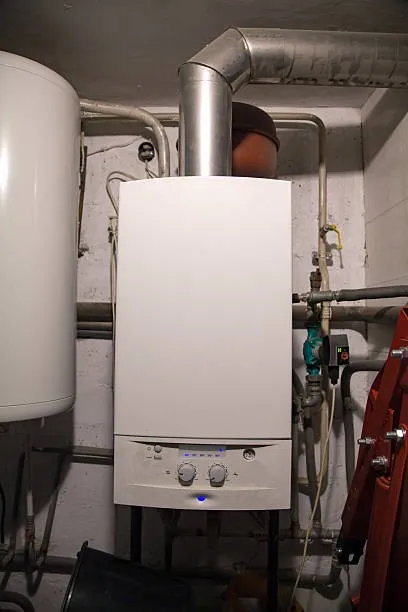
How tankless water heaters work
A tankless water heater heats water only when a tap or appliance calls for it. When flow is detected, the unit’s heat exchanger rapidly raises the water temperature to your set point. That means continuous hot water for showers and appliances as long as the unit’s flow and temperature-rise capacity are not exceeded. Because there’s no storage tank, tankless systems have a much smaller footprint and avoid standby heat loss.
Common tankless water heater issues in OSU, OH homes
- Reduced flow or sudden temperature drops during simultaneous fixtures (multiple showers, dishwasher, laundry)
- Scale buildup from moderately hard Columbus-area water, causing reduced efficiency and error codes
- Venting and combustion problems with older home layouts when replacing a tank with a gas tankless unit
- Electrical service limitations for whole-house electric tankless systems in older electrical panels
Types of tankless systems and service types
- Point-of-use units: small electric or gas models for a single bathroom or sink
- Whole-house gas or electric units: sized to supply simultaneous demand for multiple bathrooms and appliances
- Condensing gas units: higher efficiency by recovering extra heat, recommended where winter inlet temperatures are low
- Retrofit installations: replacing a tank with minimal changes vs. full-system upgrades that include venting, gas, or electrical upgrades
Sizing by flow rate and local climate considerations
Proper sizing is critical. Tankless capacity is measured in gallons per minute (GPM) and heating power (BTU/hr for gas, kW for electric). Use this approach:
- Estimate simultaneous flow: add fixture flow rates (e.g., shower ~1.8–2.5 GPM, dishwasher ~1 GPM)
- Determine required temperature rise: desired outlet (120°F typical) minus winter inlet water temp. In OSU/Columbus, incoming groundwater in winter often falls into the low 40s°F, so plan for a large temperature rise in cold months.
- Calculate required heat input for gas: BTU/hr = GPM × ΔT × 500
- Convert to electric if needed: kW = BTU/hr ÷ 3412
Example: multiple fixtures can generate high demand in winter; a whole-house unit must be selected to meet the GPM at the necessary temperature rise for reliable performance. If a single unit can’t meet peak demand, solutions include upsizing, installing two smaller units in parallel, or limiting simultaneous use.
Gas vs electric: which is right for OSU, OH?
- Gas (natural gas or propane): Generally better for whole-house applications in colder climates because gas units deliver higher BTU output, making them efficient at large temperature rises. In OSU, gas units often perform better during winter but may require upgraded gas lines and consistent combustion air and venting solutions.
- Electric: Simpler venting and often easier to install in tight spaces, but whole-house electric systems require high electrical capacity and may be most practical for point-of-use installations or homes with ample electrical service. Electric models excel where gas is not available or where simpler maintenance and installation are priorities.
Installation and retrofitting considerations in OSU, OH
- Venting: Non-condensing gas units require stainless or special metal venting; condensing units can often use PVC venting but require condensate drainage. Building layout and proximity to neighbors on urban lots near campus affect vent routing.
- Gas line capacity: Older homes may need a larger diameter or dedicated gas line to support a high-BTU tankless unit.
- Electrical service: Electric tankless units may demand heavy amperage; confirm panel capacity and wiring requirements.
- Permits and inspections: Local codes in Columbus/Franklin County typically require permits and inspections for gas and electrical work. Plan for code-compliant exhaust and combustion air.
- Space and location: Tankless units free up space compared to tanks, but consider accessibility for maintenance and placement near main hot water runs to minimize lag.
Maintenance needs and expected lifespan
- Lifespan: Typical tankless water heaters last 15–25 years with proper maintenance — often longer than storage tanks.
- Routine maintenance: Flush and descale the heat exchanger every 6–12 months in hard-water areas like Columbus to prevent scale buildup. Check filters, inspect venting and condensate traps, and test ignition/burner operation for gas units.
- Water treatment: Homes with hard or mineral-rich water should consider a water softener or scheduled descaling to preserve efficiency and prolong life.
- Diagnostic indicators: Reduced flow, unusual noises, error codes, and increased cycle frequency are signs maintenance or repair is needed.
Cost vs ROI analysis (qualitative)
Tankless systems typically require a higher initial investment than traditional tanks but offer lower operating costs over time because they eliminate standby heat loss and, for gas condensing models, operate at higher thermal efficiency. Your payback period depends on household hot water habits, fuel prices, unit efficiency, and maintenance discipline. For households with moderate to high hot water demand, especially in cold winters, tankless units often deliver better long-term value. For infrequent users or very small households, point-of-use electric units can be cost-effective.
Model types and warranty expectations
- Look for stainless steel heat exchangers or durable alloys, modulating burners for gas models (which adjust output to demand), and built-in diagnostics with clear error codes for easier servicing.
- Condensing gas models are often recommended in areas with cold inlet temperatures because they extract additional heat from exhaust streams.
- Warranties: Heat exchangers commonly carry longer warranties (often multi-year to over a decade depending on manufacturer), while parts and labor warranties are shorter. Confirm warranty terms, what constitutes regular maintenance, and whether warranty coverage requires professional installation and annual servicing.
Final thoughts — why a tankless water heater in OSU, OH makes sense
For OSU, OH homes and rental properties near campus, tankless water heaters offer space savings, more consistent hot water during peak use, and improved energy efficiency — advantages that matter in compact, older homes and high-usage student or family households. Proper sizing for Columbus winter inlet temperatures, attention to venting and gas/electrical capacity, and a routine descaling schedule will maximize performance and lifespan. When evaluating options, prioritize the right flow capacity for your peak demand, choose a system type aligned with your fuel availability and electrical service, and review warranty and maintenance requirements to protect your investment.
Hot Deals & Cool Savings

.webp)
New Service Agreement Membership
.webp)
Any New Client Service
Next Service for Referring a New Client
New Service Agreement Membership
Any New Client Service
Next Service for Referring a New Client
.webp)
.webp)

Service Areas
