
Water Heater Installation in Gahanna, OH
Water heater installation in Gahanna, OH: expert sizing, fuel options, and code-friendly setup. Schedule today for reliable hot water.

Water Heater Installation in Gahanna, OH
Replacing or installing a new water heater is a major home upgrade that affects comfort, energy bills, and safety. For Gahanna, OH homes, properly sized equipment, correct fuel selection, and code-compliant installation are essential because of cold winters, seasonal demand swings, and local water conditions.
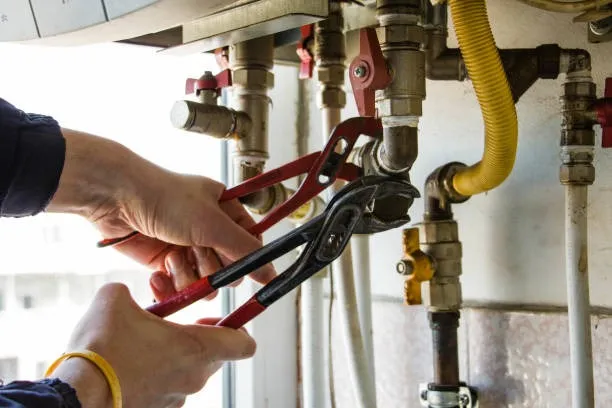
Why professional installation matters in Gahanna, OH
- Winters in central Ohio increase hot water demand for longer showers and higher heating loads; an undersized or improperly vented unit will struggle.
- Greater sediment build up from moderately hard local water shortens tank life and reduces efficiency if not addressed during installation.
- Gas and propane systems require precise venting and combustion air clearances to meet safety codes enforced by Gahanna and Franklin County inspectors.Professional installation ensures correct sizing, safe venting and fuel hookups, permit compliance, and proper disposal of the old unit.
Common water heater types and which fit Gahanna homes
- Tank water heaters: Reliable for families with predictable simultaneous hot water use. They are easier to install in many existing homes and compatible with standard gas or electric supply lines.
- Tankless (on-demand): Smaller footprint and higher efficiency for households with lower to moderate peak demand or where continuous hot water is a priority. Requires proper gas line sizing or sufficient electrical service.
- High-efficiency condensing models: For gas homes with long-term efficiency goals, condensing units capture extra heat and reduce fuel use but need appropriate venting and condensate drainage.Selection depends on household size, peak simultaneous usage, available fuel, and the physical space for installation.
Needs assessment and sizing
A qualified technician should perform a needs assessment that includes:
- Number of occupants and peak simultaneous fixtures (showers, dishwasher, laundry).
- First Hour Rating (FHR) requirement for tank systems: estimate how many gallons you need in the first hour of use.
- Gallons per minute (GPM) demand for tankless systems: add fixture flow rates for peak use and account for incoming water temperature, which in Gahanna can be lower in winter and increases GPM requirements.
- Available utilities: gas line size, electrical service capacity, or propane supply considerations.Accurate sizing avoids short cycling, inadequate hot water, or unnecessary operating costs.
Fuel type considerations: gas, electric, propane
- Natural gas: Typically lower operating cost for high-demand homes but requires safe venting and combustion air. Verify existing meter and line capacity for tankless conversions.
- Propane: Common in areas without natural gas mains; propane units behave like gas models but need proper tank regulation and line sizing.
- Electric: Easier and often less expensive to install when adequate electrical service exists. Electric tankless units require significant amperage and dedicated circuits.Choosing between fuel types depends on existing infrastructure, long-term energy cost projections, and whether you plan future electrification upgrades.
Permit, code compliance and safety in Gahanna
Permits are generally required for water heater replacements and installations within Gahanna and Franklin County. Key compliance items include:
- Proper venting and chimney liner for gas appliances.
- Combustion air and clearance to combustibles.
- Drip pans and drain lines where required to protect floors from leaks.
- Expansion tank installation on closed hot water systems when required by code.
- Proper electrical connections and breaker sizing for electric units.A final inspection by local building authorities completes the process and confirms the installation meets local codes.
Site preparation and removal of the old unit
- Assessment of the existing location for accessibility, clearances, and structural support.
- Temporary water and fuel shutoff procedures to prepare the work area.
- Safe disconnect and removal of the old unit, including neutralizing gas lines or electrical disconnection.
- Proper disposal of the old heater according to local recycling and waste rules; many technicians drain, remove, and transport old units for recycling rather than landfill disposal.Homeowners should clear the installation area and ensure access to utility shutoffs but do not need to handle hazardous tasks.
Step-by-step installation and testing (what to expect)
- Final verification of unit selection, size, and fuel requirements.
- Permit acquisition and site measurements for venting, clearances, and condensate drainage if applicable.
- Mechanical installation: secure the unit, connect water lines, install expansion tank if required, and add seismic or drip pans where necessary.
- Fuel and electrical work: install or upgrade gas piping and regulators, or route dedicated electrical circuits and breakers. For tankless, confirm supply line capacities.
- Venting and combustion air installation: run new vent or liner for gas units, seal penetrations, and install termination caps per code.
- Pressure tests and leak checks for gas and water lines; electrical tests and verification of element/ignition operation.
- Setup of controls: temperature settings, safety limits, and any recirculation pump or booster configuration.
- Commissioning: validate hot water delivery at fixtures, check exhaust temperatures and CO levels on gas units, flush installation to remove debris.
- Documenting warranty activation and handing over maintenance recommendations and operation basics.Thorough testing reduces callbacks and ensures the unit performs as rated.
Timeline and factors affecting installation duration
- Typical installations can take a few hours to a full day for direct like-for-like replacements.
- Conversions (electric to gas, tank to tankless) or venting upgrades take longer and may require coordination with utilities or permits, extending the timeline to multiple days.
- Additional work like panel upgrades, gas line replacements, or adding a condensate drain will increase duration.Expect inspections to be scheduled by local authorities, which can add time between completion and final signoff.
Warranty, maintenance and longevity
- Manufacturer warranties vary by model and component; installation quality often determines whether warranty conditions are met.
- Recommended maintenance for Gahanna homes includes annual flushing to remove sediment, periodic anode rod inspection on tanks, and system checks for venting and gas pressure.
- For tankless units, routine descaling in hard water areas preserves heat exchanger life and efficiency.Regular maintenance maximizes service life and maintains efficiency, especially important in areas with seasonal hardness or fluctuating winter temperatures.
Removal, disposal and environmental considerations
Old units should be drained, neutralized of fuel lines, and recycled when possible. Components such as compressors, refrigerants (if present in heat pump models), and metals are recyclable. Proper disposal prevents environmental contamination and complies with local waste regulations.
Rebates and financing options relevant to Gahanna
Energy efficiency programs from state or local utilities and federal incentives may be available for high-efficiency gas, electric, heat pump, or tankless systems. Low-cost financing or rebate programs sometimes cover part of the installation or equipment cost for qualifying systems that improve home energy performance. Verify eligibility with local utility programs and state energy assistance initiatives during the planning phase.
Hot Deals & Cool Savings

.webp)
New Service Agreement Membership
.webp)
Any New Client Service
Next Service for Referring a New Client
New Service Agreement Membership
Any New Client Service
Next Service for Referring a New Client
.webp)
.webp)

Service Areas
