
Tankless Water Heater in Gahanna, OH
Discover tankless water heater installation in Gahanna, OH. Learn more about sizing, fuel options, permits, maintenance, and benefits.

Tankless Water Heater in Gahanna, OH
Switching to a tankless (on-demand) water heater can solve common hot water problems for Gahanna homeowners while reducing the space needed for equipment and improving long-term energy use.
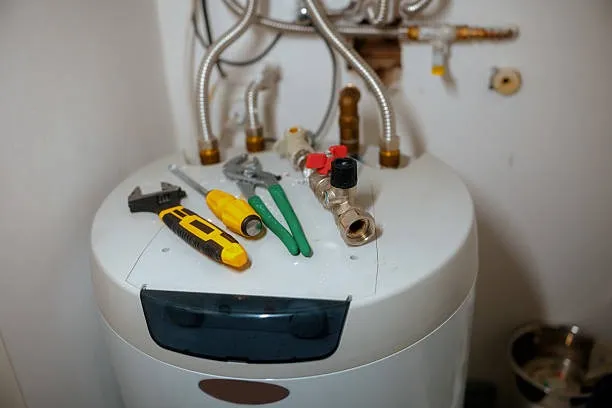
Why consider a tankless water heater in Gahanna
- Continuous hot water for multiple simultaneous uses without running out.
- Smaller footprint than a traditional tank, useful for homes with limited utility space.
- Better energy efficiency for many households because there is no standby heat loss.
- In Gahanna’s climate, cold winter groundwater increases the required heating capacity, making proper sizing critical.
Gahanna’s seasonal temperature swings and the Columbus-area water profile (commonly harder water) mean installers often pair tankless systems with scale-management strategies and ensure units are sized to handle higher winter temperature rises.
Common tankless water heater types and issues in Gahanna
- Point-of-use electric units for a single fixture.
- Whole-home gas or electric on-demand systems sized to handle multiple fixtures.
- Typical problems homeowners encounter: undersized units that can’t supply simultaneous showers and appliances, scale buildup in hard water areas, inadequate venting for gas units, and electrical panel or gas line capacity limitations in older homes.
Sizing and flow-rate calculations (how to choose the right unit)
Sizing a tankless system is driven by two things: flow rate (GPM) and temperature rise.
- Determine peak simultaneous demand by adding fixture flow rates (typical examples: shower 1.5–2.5 GPM, dishwasher 1–2 GPM, washing machine 1–2 GPM).
- Estimate incoming groundwater temperature for Gahanna seasonally (colder in winter). The required temperature rise = desired delivery temp - incoming water temp.
- Use the rule of thumb formula to translate needs into capacity: BTU/hr = GPM x temperature rise (°F) x 500. This tells you the heating power needed for gas units. Manufacturers provide flow vs temperature rise charts to match specific models.
An accurate, conservative sizing approach is particularly important in Gahanna winters when incoming water temperature is lowest.
Fuel options: gas vs electric — pros and cons
- Gas (natural gas or propane)
- Pros: Higher instantaneous output, better for larger homes and colder inlet temperatures, generally higher flow capacity.
- Considerations: Requires proper venting and combustion air; high-efficiency condensing models need a condensate drain and corrosion-resistant venting.
- Electric
- Pros: Easier to install where gas is not available, compact, lower maintenance related to combustion components.
- Considerations: Requires sufficient electrical service and dedicated high-amperage circuits; may be limited in maximum flow for whole-home demand without multiple units.
Choose based on fuel availability, peak hot water demand, and the condition of your gas or electrical service panel.
Installation requirements and common upgrades in Gahanna homes
- Local building permits and inspections are required; installers must meet code for venting, combustion air, and electrical work.
- Gas installations may require:
- Upgraded gas line sizing to provide adequate BTU input.
- Proper flue/vent materials and routing; condensate handling for condensing units.
- Electric installations may require:
- Panel capacity upgrades and dedicated circuits.
- Multiple units for high demand applications.
- Water quality management:
- Hard water in the Gahanna area can cause scale buildup. Installing a water softener or a scale inhibitor and following a descaling maintenance schedule preserves performance and warranty coverage.
Expected payback and ROI (conceptual)
Payback depends on:
- Current hot water usage patterns (frequent simultaneous high-flow use shortens payback).
- Local energy prices and whether you switch fuel types.
- Upfront installation complexity (venting and service upgrades extend payback).
- Available incentives or rebates in central Ohio.
Estimate ROI by comparing annual energy used for water heating before and after conversion, then factor in installation complexity and any local incentives. For many households that use moderate to high hot water and experience standby loss from a storage tank, the energy savings plus the longer service life of a tankless unit can justify the investment over time.
Routine maintenance and reliability
- Recommended maintenance includes annual or semi-annual descaling in hard water areas and cleaning inlet filters and air intake screens.
- Gas units should have combustion components and venting checked yearly.
- Many modern units include freeze protection, built-in diagnostics, and scale-detection alerts to improve reliability.
- Proper maintenance extends life and keeps manufacturer warranties valid.
Common troubleshooting and quick checks
- Low hot water flow under simultaneous demand: check unit sizing and reduce peak simultaneous use or add a secondary unit.
- Fluctuating temperatures: verify minimum flow rate is met, and inspect for scale or clogged filters.
- Error codes: modern units display codes; document the code and service history for technician diagnostics.
- Ignition or venting faults on gas units: inspect vent terminations, air supply, and flue integrity.
Brands, warranties, and what to ask about
Commonly available brands include long-standing manufacturers of on-demand systems. Warranties typically cover the heat exchanger for a longer term and other parts for shorter periods. When evaluating options, ask about:
- Heat exchanger warranty length and conditions.
- Labor warranty expectations and what maintenance is required to keep warranties valid.
- Availability of replacement parts locally.
Incentives and rebates in central Ohio
Local utilities, state energy programs, and federal incentives can periodically offer rebates or tax incentives for high-efficiency water heaters. Homeowners should check current programs through their utility and state energy office and verify eligibility before installation.
What to expect during a site assessment and installation
Site assessment overview:
- Technician inspects existing plumbing, gas or electrical service, venting options, and space constraints.
- A flow-rate and temperature-rise calculation is performed for peak demand scenarios in your home.
- Water quality is assessed; scale mitigation may be recommended.
- Permitting, code requirements, and recommended upgrades (gas line, electrical service, ventilation) are outlined.
Typical installation process:
- Permits pulled and any required upgrades completed.
- New unit mounted and connected to supply and delivery lines, venting installed or routed, and condensate/drain connections made as needed.
- Startup, load testing, and temperature adjustments carried out. The installer demonstrates operation and explains scheduled maintenance.
- Warranty registration and documentation provided by the installer.
Preparing your home:
- Clear access to the installation area.
- Note peak hot water needs and any existing problems (e.g., low flow in specific fixtures).
- Know whether your home has a water softener or if you want one added.
Hot Deals & Cool Savings

.webp)
New Service Agreement Membership
.webp)
Any New Client Service
Next Service for Referring a New Client
New Service Agreement Membership
Any New Client Service
Next Service for Referring a New Client
.webp)
.webp)

Service Areas
