
Mini Split Tune-Up in Berwick, OH
Mini Split tune-up services in Berwick, OH: learn what's included, expected results, duration, and maintenance planning. Schedule your service today.

Mini Split Tune-Up in Berwick, OH
A targeted mini-split tune-up in Berwick, OH keeps your ductless system running reliably through humid summers and cold Ohio winters. Mini-splits are efficient, flexible, and compact, but they require seasonal attention to deliver designed performance, prevent breakdowns, and protect system life.
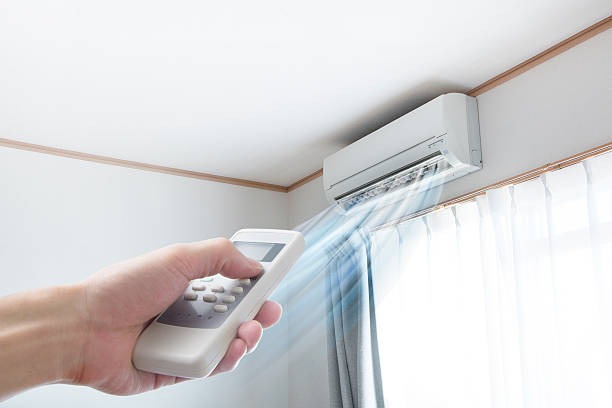
Why a mini-split tune up matters in Berwick, OH
Berwick experiences warm, humid summers that push cooling systems hard and freezing winters that stress heat pump components. Common local factors that make tune ups essential:
- High summer humidity increases compressor run time and can accelerate coil fouling.
- Cold snaps and freeze-thaw cycles can affect outdoor unit drain and defrost operation.
- Pollen, seasonal dust, and family pets raise the need for filter and indoor coil cleaning to maintain indoor air quality.Regular tune ups identify developing problems early, restore efficiency, and maintain consistent comfort year-round.
What a professional Mini-Split Tune Up includes
A complete tune up follows a step-by-step checklist focused on performance, safety, and longevity. Technicians inspect and service both indoor and outdoor components to manufacturer standards.
Core checklist (step-by-step)
Visual inspection
- Check indoor and outdoor units for physical damage, loose panels, and obstructions.
- Inspect mounting, refrigerant lines, and line-set insulation.
Filter and indoor coil cleaning
- Remove, clean, or replace washable filters and vacuum accessible dust.
- Clean indoor evaporator coil when accessible to restore airflow and efficiency.
Outdoor coil and condenser cleaning
- Remove debris, leaves, and dirt from the outdoor coil and fan area.
- Straighten bent fins if present and clear surrounding area for proper airflow.
Electrical safety checks
- Inspect wiring, terminals, and connections for signs of wear or overheating.
- Test capacitors, contactors, and safety controls for proper operation.
Refrigerant pressure verification
- Measure refrigerant pressures and temperatures to confirm proper charge.
- Identify pressure patterns that indicate leaks or under/overcharge conditions.
Compressor and inverter diagnostics
- Check compressor start-up behavior and inverter-driven components for error codes.
- Verify measured power draw against expected ranges.
Thermostat and control calibration
- Confirm thermostat sensors and remote controls are reading and communicating accurately.
- Calibrate setpoints and test mode transitions (cool, heat, auto, fan).
Airflow adjustments and balancing
- Measure airflow and adjust louvers or blower speeds to ensure even distribution.
- Check line-of-sight and furniture placement that could impede indoor unit airflow.
Condensate drain inspection
- Clear and treat drain lines to prevent clogs; verify proper slope and trap function.
- Check for standing water or signs of past overflow.
System run test and performance report
Run the system through heating and cooling cycles, document operating conditions, and note recommendations or immediate repairs.
Expected duration and what affects service time
- Single-zone mini-split tune up: typically 45 to 75 minutes.
- Multi-zone systems or hard-to-access installations: 90 to 180 minutes.Factors that increase time:
- Heavy coil fouling requiring chemical cleaning
- Detecting and repairing refrigerant leaks
- Extensive electrical repairs or part replacement
- Multiple indoor heads or attic/ceiling access challenges
Typical outcomes after a tune up
- Immediate improvement in cooling or heating responsiveness and consistency
- Noticeable reduction in noise and unnecessary cycling
- Better airflow and improved indoor comfort balance
- Lower energy consumption when measured over the following weeks
- Detection of developing issues (leaks, failing capacitors, worn wiring) before they cause breakdowns
Common mini-split tune up issues in Berwick, OH
- Low airflow from clogged filters or blocked indoor louvers
- Reduced capacity from dirty coils or low refrigerant charge
- Short cycling due to thermostat miscalibration or control errors
- Outdoor unit fans obstructed by yard debris or seasonal leaf buildup
- Defrost cycle problems in winter causing poor heating performance
Follow-up recommendations after the tune up
- Replace disposable filters every 1 to 3 months depending on occupancy, pets, and pollen levels.
- Schedule tune ups annually at minimum; in heavy-use homes or multi-family households consider semiannual visits (spring and fall).
- If refrigerant issues were found, plan repairs and leak testing promptly — low charge reduces efficiency and can damage the compressor.
- Keep outdoor units clear of vegetation, stored items, and winter snow buildup; avoid blowing grass clippings toward the condenser.
- Monitor energy bills and comfort; significant spikes after a tune up may indicate unresolved issues needing further diagnosis.
How tune-ups fit into a broader maintenance plan
Regular mini-split tune ups are a core component of preventive HVAC care. When integrated into a maintenance plan they:
- Extend equipment life by reducing stress on major components
- Maintain manufacturer warranty requirements in many cases
- Reduce emergency repairs and unexpected replacement needs
- Improve indoor air quality through routine filter and coil careA maintenance plan for Berwick homes should align tune ups with seasonal needs: a spring checkup before heavy summer cooling and a fall inspection if the unit provides heat in winter. For homes with multiple zones or high indoor pollutant loads, add mid-season checks or filter replacement programs.
Final considerations for Berwick homeowners
A properly performed mini-split tune up is an investment in consistent comfort and lower operating costs, especially important in central Ohio’s range of weather. Regular professional tune ups identify small problems early, keep refrigerant and electrical systems safe, and help your system deliver the efficiency and comfort you expect. For homeowners managing multiple zones, older systems, or heavy seasonal use, scheduled tune ups and a structured maintenance plan are the most effective way to protect performance and extend equipment life.
Hot Deals & Cool Savings

.webp)
New Service Agreement Membership
.webp)
Any New Client Service
Next Service for Referring a New Client
New Service Agreement Membership
Any New Client Service
Next Service for Referring a New Client
.webp)
.webp)

Service Areas
