
Mini Split Service in Lithopolis, OH
Mini Split service in Lithopolis, OH: routine maintenance, diagnostics, and essential repairs to keep your ductless system efficient. Schedule now.

Mini Split Service in Lithopolis, OH
Mini-split systems are a smart choice for Lithopolis homes that need efficient, zoned heating and cooling without ductwork. Proper service keeps these systems reliable through hot, humid Ohio summers and cold winters when heat-pump modes work hardest.
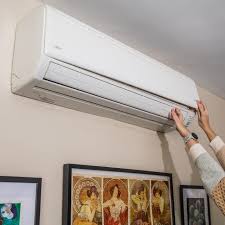
Why mini-split service matters in Lithopolis
Lithopolis experiences warm, humid summers and freeze-thaw winters. Those seasonal swings increase the strain on mini-split components: refrigerant circuits work overtime in July and August, and defrost cycles and reversing valves face heavy use in winter. Many Lithopolis properties are older or lack central ducts, making ductless mini-splits popular — but they still need regular attention to avoid efficiency loss, poor indoor air quality, and premature component failure.
Common mini-split service types
- Routine inspections: Visual and operational checks, airflow measurements, and basic component verification.
- Scheduled maintenance visits: Seasonal tune-ups that include cleaning, refrigerant checks, electrical inspections, and performance testing.
- Diagnostic tune-ups: In-depth fault finding when performance drops, including electronic control diagnostics and refrigerant leak detection.
- Component repairs: Fan motors, PCB/control boards, capacitors, expansion valves, reversing valves, and compressor repairs or replacements when feasible.
- Filter and coil care: Cleaning or replacing filters, evaporator coil cleanings, and condenser coil maintenance.
- Service plans and membership programs: Regularly scheduled visits, priority service, and discounts built into a maintenance agreement.
- One-time or recurring service: Single repairs and seasonal tune-ups or planned maintenance schedules for ongoing reliability.
Common mini-split issues in Lithopolis, OH
- Reduced cooling or heating capacity: Often caused by low refrigerant charge, blocked coils, or failing compressor components.
- Icing on the indoor or outdoor unit: In winter, frost/ice buildup can indicate refrigerant imbalance or malfunctioning defrost controls.
- Weak airflow: Dirty filters, failing blowers, or obstructed indoor units—common where pollen and spring dust are prevalent.
- Unusual noises: Loose panels, failing fan motors, or compressor issues create rattles, hums, or grinding sounds.
- Frequent cycling or short-cycling: Poor control settings, oversized systems, or electrical issues that shorten equipment life.
- Refrigerant leaks: Corrosion or mechanical damage can cause leaks; these reduce efficiency and require prompt repair and recharge.
Diagnostic process and tune-up checklist
A professional diagnostic tune-up typically follows these steps:
- System history review: Confirm model, age, prior repairs, and observed symptoms.
- Visual inspection: Check mounting, refrigerant lines, insulation, condensate drains, and electrical wiring.
- Electrical testing: Measure voltages, currents, and capacitor health to ensure safe, efficient operation.
- Refrigerant and pressure checks: Compare pressures and refrigerant charge to manufacturer specifications to spot leaks or undercharge.
- Airflow and thermostat calibration: Verify indoor unit airflow, motor operation, and correct control settings.
- Coil and filter inspection/cleaning: Remove debris and clean coils to restore heat transfer efficiency.
- Performance verification: Run the system in heating and cooling modes to verify proper temperature split and system stability.
- Service report and recommendations: Provide a clear list of findings, urgent issues, and suggested follow-up items.
Typical component repairs and explanations
- Capacitor replacement: Restores reliable fan and compressor starts when capacitors weaken with age.
- Fan motor repair or replacement: Fixes weak airflow and unusual vibration/noise.
- Thermostat/control board service: Replaces faulty electronic controls that cause erratic operation.
- Refrigerant leak repair and recharge: Locates and repairs leaks, evacuates, and recharges to the correct specification.
- Compressor repair/replacement: Addressed only after diagnostics confirm failure; often the most costly repair but necessary to restore operation.
- Drain and condensate pump service: Clears clogs and replaces failing pumps to prevent water damage.
Filter and coil care best practices
- Clean or replace filters every 1–3 months depending on usage and indoor air quality. Lithopolis homes with pets or seasonal pollen will need more frequent attention.
- Evaporator coil cleaning annually (or more often with heavy dust/pollen) restores heat transfer and prevents icing.
- Condenser coil cleaning keeps the outdoor unit efficient—road dust, lawn debris, and pollen can significantly reduce performance.
- Keep indoor heads clear: Ensure nothing blocks airflow from indoor units (curtains, furniture, or décor).
Service plans and membership benefits
Membership-style maintenance plans designed for mini-splits usually include:
- Scheduled seasonal tune-ups to catch small issues before they become major repairs.
- Priority appointment scheduling during peak cooling and heating seasons.
- Discounts on repairs and parts under the membership terms.
- Extended equipment life and improved efficiency, which offsets operating costs over time.
- Documentation of service history, useful for warranties or resale value.
- Emergency response options for urgent failures during extreme weather.
Technician qualifications to expect in Lithopolis
When evaluating mini-split service providers, look for:
- EPA 608 certification for refrigerant handling.
- State licensing and proper local insurance for Ohio HVAC work.
- Factory training or manufacturer certifications for major mini-split brands.
- Experience with ductless heat pumps and multi-zone systems, including zoning controls and refrigerant piping.
- Use of modern diagnostic tools: digital gauges, leak detectors, and microprocessor analyzers.
- Clear written service reports and parts explanations so you can make informed decisions.
How to arrange recurring or one-time service
When scheduling service, be prepared with:
- System model and installation year.
- A clear description of the symptom (noise, low airflow, odors, uneven temperatures).
- Preferred availability windows and whether you want a single visit or a recurring maintenance schedule.For recurring service, typical options include semiannual or annual tune-ups timed before summer cooling and winter heating seasons. Discuss membership inclusions like inspection frequency, discounts, and priority scheduling to match your needs.
Hot Deals & Cool Savings

.webp)
New Service Agreement Membership
.webp)
Any New Client Service
Next Service for Referring a New Client
New Service Agreement Membership
Any New Client Service
Next Service for Referring a New Client
.webp)
.webp)

Service Areas
