
Mini Split Replacement in Hebron, OH
Mini Split replacement in Hebron, OH delivers efficient comfort and cost savings with expert evaluation, installation, and reliable performance. Learn more.

Mini Split Replacement in Hebron, OH
Replacing a ductless mini-split in Hebron, OH is often the smartest way to restore comfort, cut utility bills, and gain dependable heating and cooling through Ohio’s hot, humid summers and cold winters. Whether your system is failing, undersized for new living spaces, or simply outdated, a professional mini-split replacement evaluates your home, recommends the right energy-efficient equipment, and installs it to perform reliably for years. Below is a practical, homeowner-focused guide to the replacement process, costs, timelines, and decision factors specific to Hebron homes.
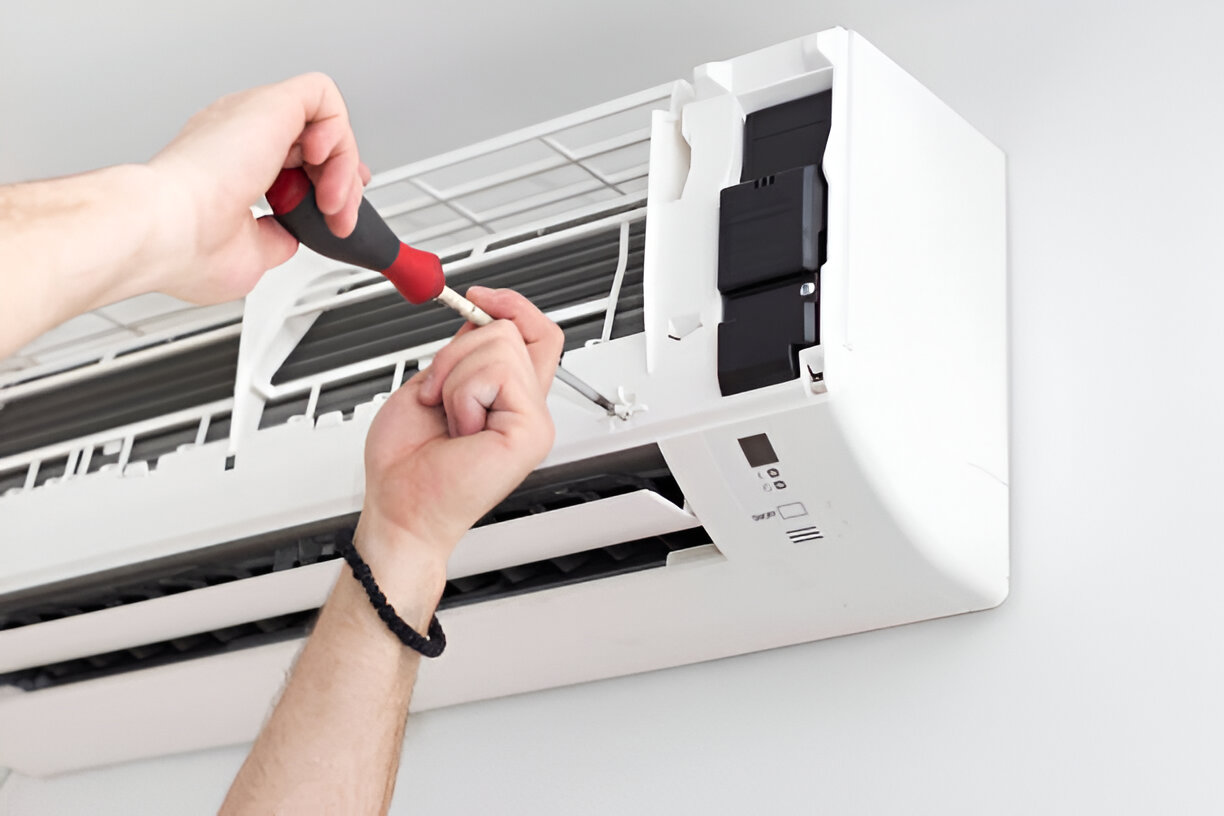
Why replace a mini-split in Hebron, OH
Hebron’s seasonal extremes put a lot of demand on HVAC equipment. Replacing an aging or inefficient mini-split can:
- Restore even temperature and humidity control during humid Ohio summers and freezing winter nights.
- Reduce energy use with modern inverter-driven heat pump technology that adjusts output to load.
- Improve indoor comfort in additions, finished basements, or older homes without ductwork.
- Avoid rising repair bills when compressors or sealed components fail.
Common mini-split problems that lead to replacement
Homeowners in Hebron commonly choose replacement for these issues:
- Repeated compressor or inverter failures
- Unit age: many mini-splits become less reliable after 10–15 years
- Loss of heating capacity in cold weather (older heat pumps)
- R-22 refrigerant or obsolete refrigerants that are costly or unavailable
- Frequent refrigerant leaks or failing heat exchanger components
- Uneven comfort across rooms or inadequate zoning for a remodeled floor plan
- Noise, corrosion, or major physical damage to outdoor units
Evaluation and diagnostics: how technicians decide what’s needed
A thorough replacement begins with an on-site evaluation that includes:
- Visual inspection of indoor heads, outdoor unit, line sets, and electrical connections
- Performance tests: airflow, refrigerant pressures, and subcooling/superheat
- Review of maintenance and repair history
- Verification of existing refrigerant type and any service records
Technicians then perform load and sizing calculations to match a new system to your home’s actual needs. This typically includes:
- Room-by-room load calculation (Manual J) to determine heating and cooling needs
- Equipment selection sizing (Manual S) to choose appropriately rated indoor heads and outdoor compressor capacity
- Consideration of insulation levels, window orientation, square footage of additions, and baseboard/ducted systems if hybrid solutions are needed
Recommended equipment and layout considerations
Replacement calls for careful equipment selection and layout planning:
- Single-zone vs multi-zone: single-zone systems serve one space; multi-zone systems let one outdoor unit serve multiple indoor heads for whole-house or multi-room comfort control.
- Inverter-driven variable-capacity compressors for quieter operation and better efficiency.
- Cold-climate or high-efficiency models if winter performance is a priority.
- Indoor head styles (wall-mounted, ceiling cassette, low-profile) chosen for aesthetics and airflow.
- Line-set routing, outdoor unit placement for airflow and noise control, and electrical service review.
The replacement process: step-by-step
A typical mini-split replacement follows these steps:
- Pre-installation planning: finalizing equipment choices, parts, and timeline.
- Permit review: obtaining any required local permits (varies by jurisdiction).
- Old system removal: safe recovery of refrigerant using EPA-compliant equipment and removal of the outdoor and indoor components.
- Responsible disposal and recycling of old equipment and materials.
- Installation of new outdoor unit, indoor heads, line sets, and condensate drainage.
- Electrical connection and, if needed, service panel upgrades.
- Evacuation, pressure testing, and charge of refrigerant per manufacturer specs.
- System commissioning and performance verification.
- Homeowner orientation on operation, filters, and recommended maintenance.
Responsible disposal and refrigerant handling
Replacing a mini-split requires proper refrigerant recovery and disposal of the old unit. Technicians follow federal and state regulations for refrigerant recovery and recycling to prevent environmental release. Metal and electronic components are recycled or disposed of according to local guidelines.
Installation timeline and typical cost factors
Typical timeline:
- Evaluation and estimate: 1 visit (1–2 hours)
- Permits and scheduling: 1–7 days depending on local permit processes
- Installation: 1–3 days for single-zone; 2–5 days for multi-zone systems
Major cost factors:
- Number of zones and indoor heads
- Equipment efficiency rating and model (higher SEER/HSPF units cost more upfront)
- Length and complexity of line sets and structural access
- Need for electrical service upgrades or a new breaker
- Mounting requirements (roof, wall brackets, pad)
- Removal, recycling, and disposal fees
- Local labor rates and permit fees
Rebates, financing, and warranty options
Homeowners in Hebron should consider available incentives and protections:
- Rebates and incentives: state energy programs, local utility rebates, and manufacturer promotions may apply for high-efficiency heat pumps or ENERGY STAR qualified systems. Check with local utilities and state programs for current offers.
- Financing: many contractors offer financing options or payment plans; energy-efficiency loan programs may be available through state or local agencies.
- Warranties: manufacturer warranties typically cover compressors and parts (varying terms). Ask about extended parts warranties and installer labor warranties to protect your investment.
When replacement is more cost-effective than repair
Replacement usually makes sense when:
- The system is older than 10–15 years and requires frequent major repairs.
- Repairs would involve replacing costly sealed components like the compressor.
- Efficiency is significantly lower than modern models, leading to high utility bills.
- The system uses phased-out refrigerants that are prohibitively expensive to recharge.
- You need better capacity or zoning for remodeled spaces.
If repairs are minor, the unit is relatively new, and efficiency is still reasonable, repair can be the right choice. A detailed evaluation and cost comparison of repair versus replacement gives a clear financial picture over the expected remaining life of the equipment.
Long-term benefits and maintenance tips
Replacing a mini-split yields benefits beyond comfort:
- Lower monthly energy bills with modern inverter technology
- Better humidity control and more consistent temperatures
- Quieter operation and improved indoor air distribution
- Zoning flexibility to condition only occupied areas
To protect your investment:
- Schedule annual maintenance with a trained technician
- Clean or replace filters regularly
- Keep outdoor units clear of debris and snow in winter
- Monitor for unusual noises, loss of capacity, or leaks
Choosing replacement when it’s right keeps your Hebron home comfortable year-round and reduces unexpected failures. A professional evaluation that includes load calculations, equipment selection, responsible removal, and clear warranty and financing guidance will ensure the new mini-split performs efficiently in our local climate for many years.
Hot Deals & Cool Savings

.webp)
New Service Agreement Membership
.webp)
Any New Client Service
Next Service for Referring a New Client
New Service Agreement Membership
Any New Client Service
Next Service for Referring a New Client
.webp)
.webp)

Service Areas
