
Mini Split Repair in Powell, OH
Mini-split repair in Powell, OH. On-site diagnosis and quick fixes to restore performance. Schedule your repair today for reliable climate control.

Mini Split Repair in Powell, OH
Mini-split systems are a common choice in Powell, OH for efficient zoned heating and cooling in additions, older homes without ductwork, and for targeted comfort in bedrooms or finished basements. When a ductless unit stops performing, Powell’s humid summers and cold winters can make even a minor fault feel urgent.
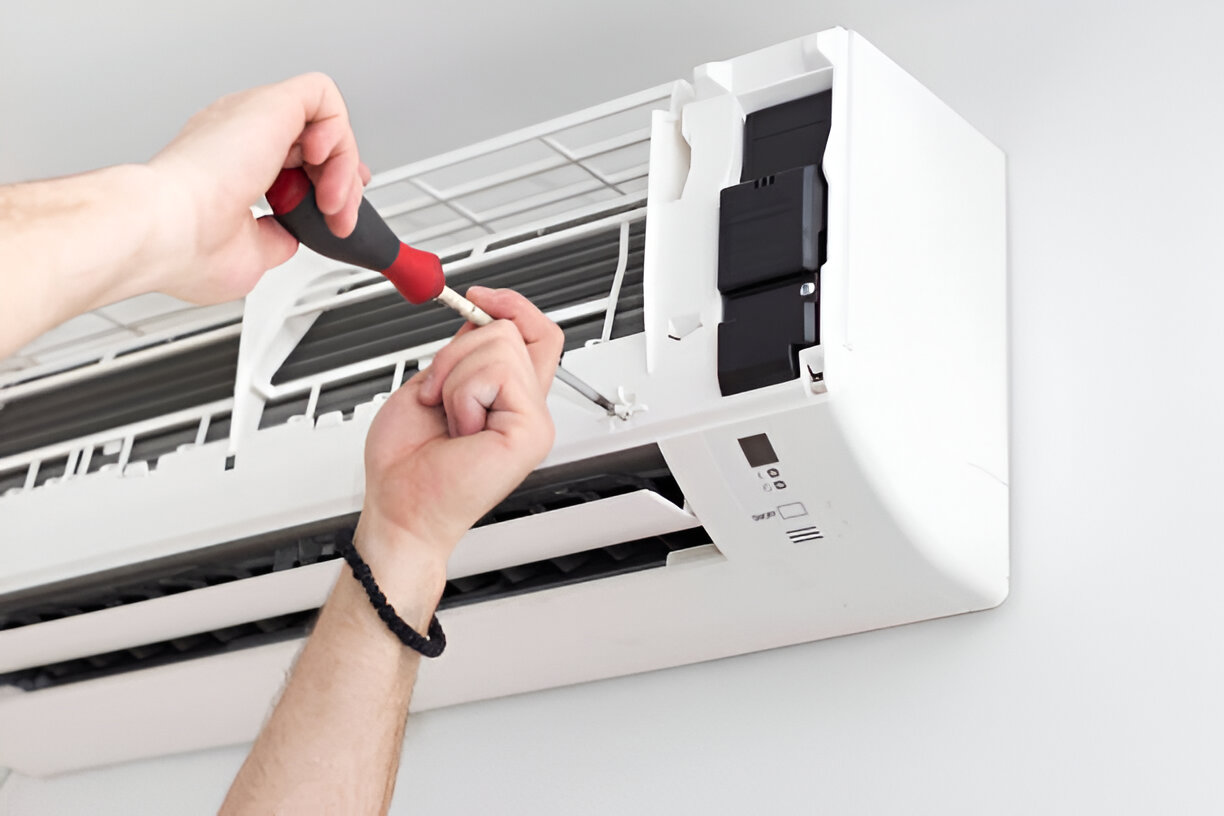
Common mini-split issues in Powell, OH
Homeowners in central Ohio typically report these fault types first:
- Electrical problems
- Tripped breakers, loose wiring, failed capacitors or relays, and communication errors between indoor and outdoor units.
- Refrigerant leaks or low refrigerant
- Symptoms include weak cooling/heating, frozen indoor coils, or visible oil near line sets.
- Compressor or outdoor unit faults
- Compressor not starting, unusual noises, or failure to reach target temperatures.
- Indoor fan or motor failures
- Reduced airflow, rattling, or intermittent fan operation.
- Controls and sensor issues
- Faulty remote, wall controller, temperature sensor drift, or control board errors.
- Drainage and coil cleanliness
- Clogged condensate drains, dirty coils, or pollen buildup reducing efficiency during Powell’s pollen-heavy spring.
On-site troubleshooting and diagnostic process
A methodical diagnostic approach identifies the root cause quickly and prevents unnecessary parts changes:
- Initial system assessment
- Confirm symptoms, review system history, and check for error codes displayed on the indoor unit or controller.
2. Visual and safety checks
- Power isolation, inspection of wiring, breakers, line-set condition, and visible oil or water leaks.
3. Airflow and filter inspection
- Check air filters, indoor blower, grille condition, and evaporator coil cleanliness.
4. Electrical testing
- Measure voltage and amp draw on compressor and fan motors, inspect capacitors and contactors, test communication lines.
5. Refrigerant and pressure testing
- Perform leak detection; if no external leak is present, measure system pressures and temperatures, evaluate superheat/subcooling for inverter systems.
6. Operational verification
- Run the system through modes (cool, heat, fan, auto) and observe cycle behavior, defrost function, and indoor/outdoor coordination.
Technicians in Ohio will also follow EPA refrigerant handling rules and use electronic leak detectors and refrigerant gauges appropriate to the system’s refrigerant type (commonly R-410A or R-32 for modern units).
Typical repairs, parts replacement policies, and warranty considerations
Common repairs and replacement practices include:
- Minor repairs
- Filter replacement, condensate drain clearing, thermostat/controller resets, fan motor taps or bearings.
- Medium repairs
- Capacitor, contactor, fan motor, sensor, or control board replacement.
- Major repairs
- Compressor replacement or outdoor unit swap, significant refrigerant leak repair and evacuation.
Parts policy guidelines homeowners should expect:
- Preference is given to OEM parts for brand-matched components (compressors, PCBs, sensors) to preserve performance and maintain existing warranties.
- Aftermarket parts may be used where appropriate and disclosed; technicians should explain compatibility and warranty differences.
- Labor and part warranties vary; ask for written warranty terms for installed parts and labor on repair documentation.
- Lead times for specialty components (inverter compressors, proprietary boards) can extend repairs by several days to a couple of weeks during peak seasons.
Typical repair timelines and cost considerations
Repair timelines and costs depend on fault severity, part availability, and system age:
- Diagnostic visit
- Typical on-site diagnosis takes 30 minutes to 2 hours. Expect a clear written estimate after inspection.
- Minor fixes
- Filter swaps, drain clearing, cleaning, or simple electrical resets: usually same-day repairs (1–3 hours).
- Component replacements
- Fan motors, capacitors, and control boards generally completed same-day or within 24–48 hours if parts are in stock.
- Major repairs
- Compressor or outdoor unit replacements and refrigerant leak repair with evacuation and recharge can take 1–3 days depending on parts and permit requirements.
Cost considerations (typical ranges vary by brand and part complexity):
- Basic service and cleaning: lower-cost range
- Fan motor, capacitor, or control board replacement: moderate range
- Compressor or outdoor unit replacement: higher range; labor and refrigerant recovery add to cost
Because pricing varies by brand, model, and labor rates, owners should expect a written estimate showing parts, labor, and warranty coverage before work begins.
Emergency response and temporary measures
Powell homeowners facing system failure during heat waves or cold snaps often need quick help. Common emergency responses include:
- Priority diagnosis to prevent compressor damage (especially during repeated short cycling).
- Temporary safe shutdown to avoid further damage if electrical or refrigerant failure is suspected.
- Short-term modes such as fan-only operation to maintain airflow and indoor air quality until parts arrive.
- Guidance on alternative heating or cooling strategies during extended repairs (safe use of space heaters or window units).
Emergency availability and response times vary by provider and season; severe summer or winter conditions can increase wait times for parts and appointments.
Brand compatibility and system considerations
Mini-splits are brand-sensitive in several ways:
- Most major brands—Mitsubishi, Fujitsu, Daikin, LG, Panasonic, Samsung, Carrier, Gree, Midea—use proprietary parts and controls. Matching indoor and outdoor components is essential for full functionality.
- Inverter-driven systems require technicians familiar with variable-speed compressors and communication protocols—diagnostics differ from traditional fixed-speed units.
- Older systems might use refrigerants no longer manufactured; repairing an R-22 system can be costly and limited by refrigerant availability.
Technicians should verify model numbers and serials to ensure correct parts and firmware compatibility.
When repair is more cost-effective than replacement
Repair is usually the better choice when:
- The unit is relatively new (typically under 8–10 years) and parts are available at reasonable cost.
- A single, isolated component has failed while the rest of the system operates reliably.
- The system still achieves acceptable energy efficiency and comfort levels after repair.
- Repair cost is significantly less than replacement cost (commonly when repair is under roughly 40–50% of a full replacement estimate).
Consider replacement when:
- The mini-split is older than 10–12 years with recurring failures.
- The compressor or multiple major components need replacement and the cost approaches replacement.
- Efficiency has declined noticeably, leading to rising energy bills.
- The refrigerant type is phased out or very expensive to recharge.
Preventive maintenance and long-term reliability
Regular maintenance extends life and reduces emergency repairs:
- Change or clean filters every 1–3 months depending on use and local pollen levels.
- Schedule annual or biannual tune-ups—inspect electrical connections, clean coils, test refrigerant charge, and verify controls.
- Keep outdoor units clear of leaves, grass, and snow and maintain a level mounting pad.
- Ensure condensate drains are free-flowing to prevent overflow and indoor damage.
In Powell’s climate, scheduling a spring check before heavy cooling use and a fall check before heating demand helps catch issues early and maintain efficient operation.
Hot Deals & Cool Savings

.webp)
New Service Agreement Membership
.webp)
Any New Client Service
Next Service for Referring a New Client
New Service Agreement Membership
Any New Client Service
Next Service for Referring a New Client
.webp)
.webp)

Service Areas
