
Mini Split Repair in Pickerington, OH
Professional mini-split repair in Pickerington, OH restores comfort quickly. Schedule diagnostic service now to ensure efficient cooling and dependable heating.

Mini Split Repair in Pickerington, OH
Professional mini-split repair for Pickerington homes keeps ductless systems running efficiently through hot, humid summers and cold Ohio winters. Mini-splits are a popular solution for additions, finished basements, and zoned comfort because they deliver targeted heating and cooling without ductwork. When a head unit, outdoor condenser, or controls fail, quick, accurate diagnostics and the right repairs restore comfort, prevent secondary damage, and extend the system’s useful life.
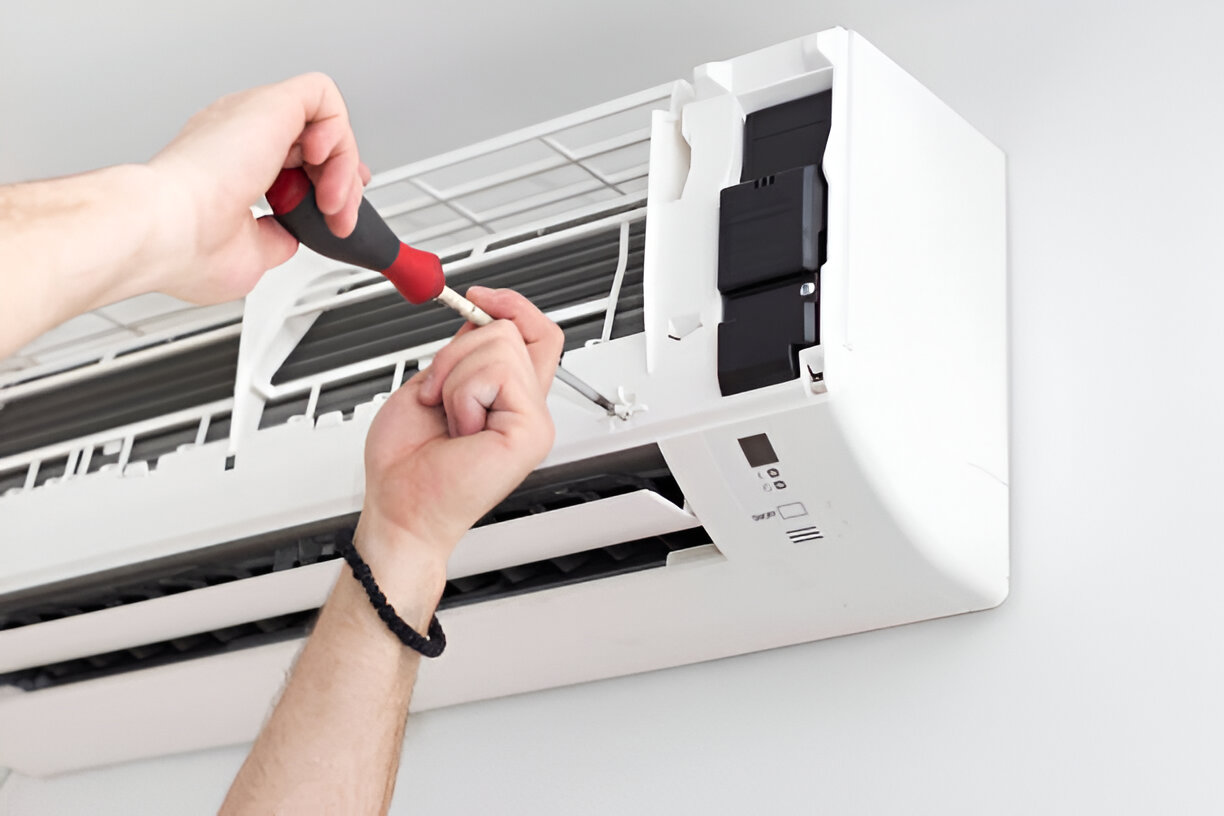
Common mini-split failure symptoms in Pickerington homes
- No cooling or heating: Indoor unit runs but does not reach set temperature. Often caused by low refrigerant, compressor faults, or sensor problems.
- Weak airflow or no airflow: Clogged filters, failing fan motors, or blocked outdoor coils reduce performance.
- Refrigerant leaks: Oil stains on line sets or low refrigerant pressure readings. Ohio’s seasonal humidity can mask leaks with ice buildup.
- Unusual noises: Grinding, rattling, or loud compressor sounds indicate worn bearings, loose mounts, or failing compressors.
- Frequent short cycling: Rapid on/off cycles caused by improper refrigerant charge, oversized unit, or control board issues.
- Sensor or control failures: Inaccurate temperature readings, unresponsive remotes, or fault codes on the indoor display.
- Water leaking or overflowing drain pan: Blocked condensate drains or improper condensate pump operation, made worse by higher humidity.
- Outdoor unit won’t start: Electrical failures, capacitor issues, or compressor faults—particularly noticeable after heavy summer use.
Typical diagnostic process
A reliable repair starts with a structured diagnosis:
- Visual inspection: Check indoor heads, outdoor unit, filters, drain lines, electrical connections, and visible refrigerant lines for damage or oil.
- Electrical and control checks: Verify voltage, capacitors, relays, and control board operation to rule out power-related faults.
- Refrigerant system testing: Measure pressures and temperatures; use electronic leak detectors and soap tests where appropriate.
- Airflow assessment: Inspect blower and fan motor performance, clean filters, and check for obstructions in air pathways.
- Sensor and thermostat calibration: Test and replace faulty temperature sensors or remotes that produce incorrect readings or error codes.
- Compressor and mechanical evaluation: Use amp draw testing and vibration analysis to determine compressor health.
- System performance test: Run the system through a full cycle to verify repairs and ensure stable operation under load.
Typical repair solutions and replacement parts
- Refrigerant leak repair and recharge: Locate and repair leaks (line set, fittings, evaporator), evacuate and recharge with the correct refrigerant. Note: older systems using phased-out refrigerants may require special handling.
- Compressor replacement: If the compressor has failed, replacement is a major repair that requires brazing, evacuation, and recharge.
- Fan motor or indoor blower replacement: Restores proper airflow and indoor comfort.
- Control board and PCB replacement: Fixes communication errors and many electronic faults.
- Capacitor and starter relay replacement: Common, fast fixes for units that won’t start.
- Expansion valve or metering device replacement: Corrects improper refrigerant metering that causes performance loss or icing.
- Sensor replacement: Temperature or humidity sensors that give inaccurate readings.
- Drain line repair or condensate pump replacement: Stops indoor water leaks and prevents mold growth.
- Line set and reverse valve repairs: Required when piping or reversing valves fail or when converting system functions.
Parts can be OEM replacements or qualified aftermarket components. Proper brazing techniques, vacuuming to industry-standard levels, and manufacturer firmware or control matching are important to preserve reliability and any remaining warranty coverage.
Estimated repair timelines
- Diagnostic visit: 30 to 90 minutes for a full system assessment and initial fault code review.
- Minor repairs (filters, fans, sensors, control board swaps): Typically completed within a few hours during one visit.
- Refrigerant leak repair and recharge: Can require multiple steps over a day or two—locating and repairing the leak, leak testing, evacuation, and recharge.
- Compressor or outdoor module replacement: Often a half-day to a full day, depending on access and whether a replacement part is on hand.
- Line set replacement or major piping work: One to two days, particularly if interior finishes require access or new penetration seals.
- Full system replacement planning and scheduling: If repair is not recommended, replacement usually spans one to two days for a single-head mini-split and longer for multi-zone systems.
Timelines in Pickerington can be affected by peak seasonal demand (heat waves or cold snaps), parts availability for older refrigerant types, and access to the outdoor unit in winter conditions.
Warranty and technician qualifications
- Manufacturer warranties: Many compressors and major components carry multi-year manufacturer warranties; parts like control boards typically have shorter warranties. Confirm warranty terms before approving repairs.
- Labor warranties: Professional service providers often offer limited labor warranties on repairs. Understand the duration and what’s covered (repeat failure vs. unrelated issues).
- Technician qualifications to look for:
- EPA Section 608 certification for handling refrigerants.
- State or local HVAC licensing and insurance.
- Manufacturer training and certification for specific mini-split brands and inverter technology.
- Diagnostic equipment proficiency (digital gauges, leak detectors, vacuum pumps, and electronic analyzers).
- Experience with ductless heat pump systems and inverter compressors common in cold climates.
Emergency response options and same-day needs
Mini-splits are critical in summer heat and cold snaps. Emergency response typically focuses on restoring basic heating or cooling quickly:
- Providers often triage calls to prioritize properties with vulnerable occupants.
- Temporary repairs (jump-starting compressors, replacing failed capacitors, supplying temporary heating/cooling) can restore function until a full repair is completed.
- Expect longer waits during regional HVAC demand spikes; planning preventative maintenance ahead of summer and winter reduces emergency breakdown risk.
When repair is the more cost-effective choice
Repair tends to make sense when:
- The system is less than about 10 years old and only one major component has failed.
- The unit has a strong maintenance history and the failure is isolated (fan motor, sensor, control board).
- The refrigerant type is up-to-date and not prohibitively expensive or restricted.
- Expected remaining life and energy savings after repair justify the cost.
Consider replacement when:
- The mini-split is older than its expected life (typically 10 to 15 years), has repeated failures, or requires a costly compressor replacement that approaches the value of a new, more efficient unit.
- The system uses phased-out refrigerants that are difficult or illegal to recharge.
- Upgrading would significantly improve efficiency, zoning, or capacity for changed home use.
Maintenance tips and the broader benefits of timely repair
- Change or clean filters regularly and schedule seasonal tune-ups to reduce the chance of mid-season failures.
- Keep outdoor coils clear of debris, leaves, and snow to maintain airflow and efficiency.
- Address odd noises, loss of capacity, or water leaks promptly—small issues left unattended often become expensive failures.
- Timely, professional repairs restore comfort, improve efficiency, reduce energy bills, and extend the unit’s lifespan.
In Pickerington’s climate, regular attention to condensate drainage and refrigerant integrity prevents common humidity-related problems. Professional diagnosis and repairs that follow industry best practices protect system reliability and occupant comfort through both summer heat and winter cold.
Hot Deals & Cool Savings

.webp)
New Service Agreement Membership
.webp)
Any New Client Service
Next Service for Referring a New Client
New Service Agreement Membership
Any New Client Service
Next Service for Referring a New Client
.webp)
.webp)

Service Areas
