
Mini Split Repair in OSU, OH
Mini-Split repair in OSU, OH offers on-site diagnostics, timely repairs, warranty guidance, and maintenance tips. Learn more today.

Mini Split Repair in OSU, OH
Ductless mini-split systems are a popular, efficient choice for apartments, older homes, and room additions around the OSU campus. When a mini-split fails, it can quickly make living spaces uncomfortable — especially during Columbus’s humid summers or cold winters.
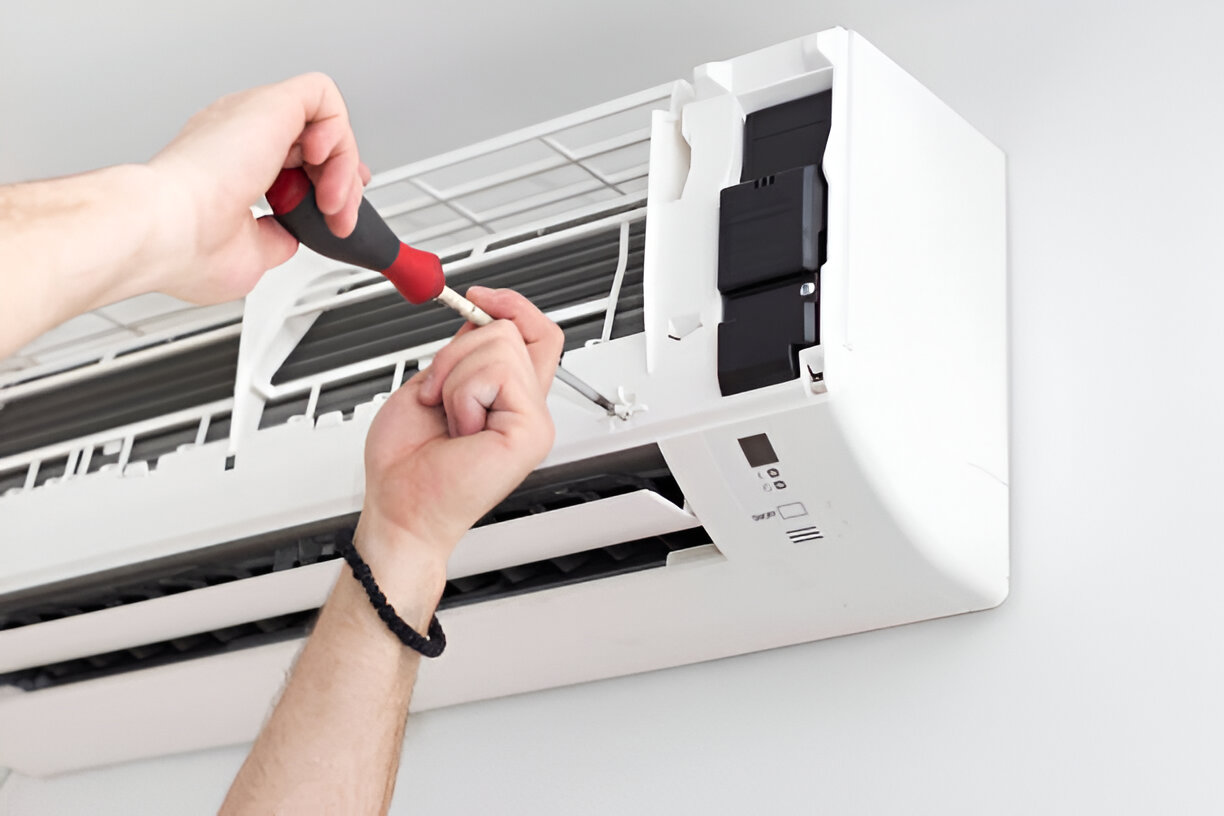
Why timely mini-split repair matters in OSU, OH
Mini-splits serve single rooms or zones, so a failed head or outdoor unit directly impacts comfort in that space. In the OSU area you’ll often see continuous use (student housing, home offices), close-quarters living where noise matters, and older building wiring that can stress modern HVAC electronics. Prompt repairs restore comfort, prevent secondary damage (like water from clogged drains), and avoid higher energy use from systems running inefficiently.
Common mini-split issues in OSU, OH
- Loss of cooling or heating after startup or during peak weather
- Weak airflow from indoor heads or uneven temperatures across zones
- Refrigerant leaks indicated by low pressures, ice on lines, or hissing sounds
- Compressor failures or outdoor unit not running
- Fan motor or indoor head fan problems (noisy or not spinning)
- Thermostat, remote control, or Wi-Fi control faults causing intermittent operation
- Electrical issues: tripped breakers, blown fuses, bad capacitors, or control board faults
- Drain and condensate problems: overflowing pan or water dripping indoors
- Strange odors, often from clogged drains or mold on coils
On-site diagnostic and troubleshooting process
- Initial visual and safety check
- Confirm power to indoor and outdoor units, inspect wiring condition, and check for obvious physical damage or blockage.
2. Verify control signals and settings
- Test remotes, wall controllers, and any smart controls for proper configuration and sensor operation.
3. Measure airflow and temperature differentials
- Compare return and supply temperatures at the head to determine cooling/heating effectiveness.
4. Electrical testing
- Check voltage, current draw, capacitors, contactors, and control board inputs to identify failing electrical components.
5. Refrigerant and pressure testing
- Use gauges and leak detection to verify charge and find leaks. For heat pumps, check reversing valve operation.
6. Mechanical inspection
- Assess compressor and fan motor operation, bearings, and belt/rotor condition.
7. Condensate and coil inspection
- Inspect drain lines, condensate pans, and indoor coils for blockages, scale, or mold.
8. Diagnostic report and repair plan
- Technician explains findings, lists recommended repairs or parts required, and provides a timeline for completion.
Technicians following this process document serial numbers and model information to confirm compatibility and warranty status before ordering parts.
Typical parts replaced or repaired
- Fan motors (indoor or outdoor)
- Capacitors and contactors
- Control boards (PCBs) and remote/wall controllers
- Thermistors and temperature sensors
- Expansion valves and TXVs
- Accumulator, filter-drier, and service valves
- Condensate pumps and drain fittings
- Line set insulation and fittings
- Compressor (replacement in severe failures) and associated refrigerant recovery/ recharge components
Some failures, such as a damaged compressor or significant refrigerant leak, require more time and specialized equipment. Technicians follow EPA-certified refrigerant handling procedures for all refrigerant work.
Estimated repair timelines
- Minor repairs and part replacements (filters, capacitors, sensors, fan motors): often completed same day or within a few hours once the correct part is on hand.
- Refrigerant leak detection and repair: typically requires one visit for leak locating and repair, and a follow-up for vacuuming and recharge after verification — often completed within 1–3 business days depending on parts and parts sourcing.
- Major component replacement (compressor, outdoor coil, major control board): may require ordering specific OEM parts and can take several days to a week, depending on availability.
- Diagnostic-only visits: technicians can often diagnose and provide a repair plan during the first visit; more complex issues can require bench testing or part sourcing that extends the timeline.
Timelines depend on part availability, system age, and access to the indoor/outdoor units common in dense OSU neighborhoods (tight yards, balconies, or multi-story access).
Emergency and after-hours service
For systems that fail during extreme temperatures or cause indoor water damage, emergency or after-hours repair options are available. These services prioritize restoring safe operation — temporary fixes (resetting controls, clearing drains, or isolating failed circuits) may be applied until full repairs are scheduled. Response times vary with call volume and local weather conditions common to Columbus area peaks.
Warranty and manufacturer parts information
- Check the system model and serial number before work begins to determine original manufacturer warranty status and coverage for specific components.
- OEM parts are recommended when system longevity or warranty continuation is a priority. Aftermarket parts may be used where appropriate, but may affect manufacturer warranty terms.
- Technicians should document repairs and provide service records that help with future warranty claims. Refrigerant work must be performed by technicians with proper EPA certification.
- Extended warranties or parts-only guarantees vary by manufacturer; confirm coverage details and any required pre-authorization steps before ordering major components.
Maintenance tips to prevent future breakdowns
- Clean or replace filters regularly: a simple filter check monthly during heavy use seasons preserves airflow and coil performance.
- Keep outdoor units clear: ensure at least 2–3 feet of clearance around condensers and remove leaves, snow, and debris common in Columbus yards.
- Schedule professional tune-ups twice a year: a spring cooling check and a fall heating/heat-pump inspection catch wear and leakage early.
- Inspect and clear condensate drains: slow or clogged drains are a frequent cause of indoor water issues and microbial growth in ductless heads.
- Protect outdoor units seasonally: use breathable covers or shields as appropriate to prevent ice and road salt damage during winter.
- Use controllers wisely: avoid extreme setpoint swings and program schedules to reduce compressor strain in multi-occupant properties.
- Keep clear documentation of repairs and maintenance: service history helps technicians diagnose recurring issues and supports warranty claims.
What to expect after repair
A proper repair restores performance and efficiency, reduces energy use, and prolongs system life. After repair, technicians typically run a full system test to confirm proper refrigerant charge, airflow, electrical stability, and control operation. You should receive recommendations for any follow-up monitoring and maintenance intervals specific to your unit and usage patterns in OSU living conditions.
Prompt, professional mini-split repair in OSU, OH prevents small faults from becoming major failures, keeps living spaces comfortable during Columbus weather extremes, and helps protect your investment in ductless comfort systems.
Hot Deals & Cool Savings

.webp)
New Service Agreement Membership
.webp)
Any New Client Service
Next Service for Referring a New Client
New Service Agreement Membership
Any New Client Service
Next Service for Referring a New Client
.webp)
.webp)

Service Areas
