
Mini Split Repair in Linden, OH
Mini split repair in Linden, OH: expert diagnosis, fast fixes, OEM parts when needed, and reliable comfort restoration for homes.

Mini Split Repair in Linden, OH
When a ductless mini-split stops cooling or heating properly, it affects comfort immediately and can indicate a problem that will worsen if left unaddressed. Mini-split Repair in Linden, OH focuses on diagnosing and fixing the specific components that fail most often so homeowners and small businesses regain reliable, efficient climate control quickly. Linden’s humid summers and cold winters make timely mini-split service especially important to avoid higher energy bills and prevent freeze or overheating damage.
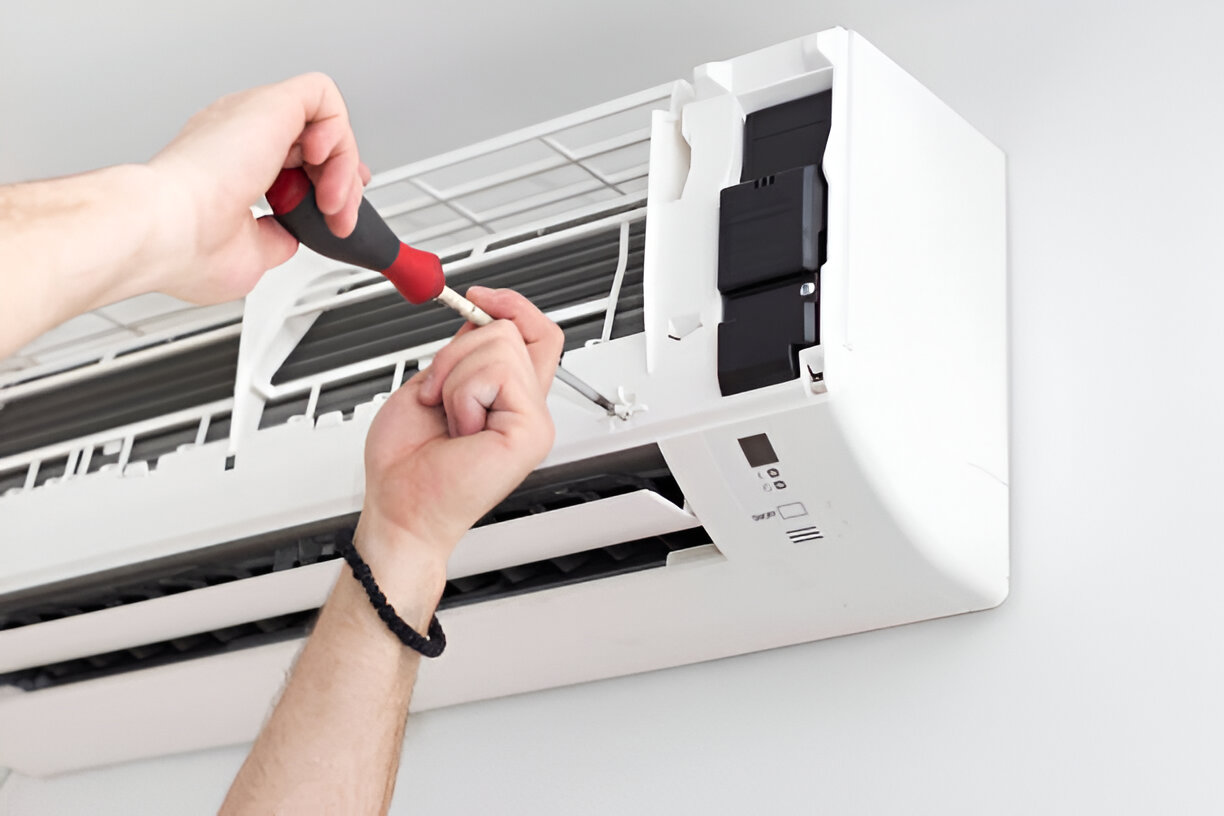
Common mini-split problems in Linden homes
Understanding typical failure modes helps you spot issues earlier. Frequent problems include:
- Compressor faults - compressor failure or internal damage causes system to lose all cooling or heating capacity.
- Refrigerant leaks - low refrigerant leads to poor cooling, frosting on the evaporator, and reduced efficiency.
- Electrical faults - blown fuses, loose wiring, failing capacitors, and relay or contactor problems prevent operation or cause intermittent cycling.
- Thermostat and control issues - communication errors between indoor heads and outdoor unit, faulty remotes, or faulty control boards cause incorrect temperatures or no response.
- Clogged drain lines and filters - reduced airflow, water leaks, and mold growth from neglected condensate drains and filters.
- Indoor fan motor or blower issues - unusual noise, weak airflow, or total loss of indoor air movement.
How diagnostics are performed
A reliable diagnosis follows a consistent sequence so repairs address root causes, not symptoms:
- Initial system history and visual inspection - review owner observations, check filters, and visually inspect indoor and outdoor units for obvious damage or obstructions.
- Electrical safety checks - verify disconnects, fuses, breakers, voltage, and control wiring for continuity and correct voltages.
- Refrigerant and pressure testing - measure suction and discharge pressures, look for signs of leaks, and check for oil residue that indicates leak locations.
- Component testing - test capacitors, contactors, compressor windings, fan motors, and thermostats/control boards with appropriate meters.
- Airflow and temperature measurements - measure supply and return temperatures, and airflow to confirm system capacity and detect blockages.
- System-level operation test - run the system through cooling and heating cycles to confirm faults and verify repairs.
Step-by-step troubleshooting homeowners can use safely
There are a few safe checks homeowners in Linden can perform before calling for professional repair:
- Ensure outdoor unit is clear of leaves, grass, or debris blocking airflow.
- Replace or clean indoor filters and check that indoor heads are set to the correct mode and temperature.
- Confirm breakers and disconnects are in the ON position and that the unit has power.
- Reset the unit using the remote control or power disconnect if the system is unresponsive for brief glitches.
Do not attempt refrigerant work, open electrical panels, or internal component repairs. Those require licensed technicians.
Typical repair processes (what to expect)
Repairs vary by failure type. Common professional repair workflows include:
- Refrigerant leak repair
- Locate leak using electronic leak detectors or UV dye.
- Evacuate and vacuum system, repair or replace the leaking line or condenser coil if accessible, then recharge to OEM specified refrigerant charge.
- Test for proper pressures and run cycle verification.
- Compressor replacement
- Recover remaining refrigerant, remove and replace compressor and associated service valves if necessary.
- Replace filter dryer and perform a deep vacuum before recharging per manufacturer specifications.
- Verify electrical connections, start-up current, and thermal protection operation.
- Electrical repairs and control board replacement
- Replace failed capacitors, relays, contactors, or control boards with OEM or approved equivalent parts.
- Restore correct control wiring and test communication between indoor and outdoor units.
- Thermostat and remote control fixes
- Re-program or replace failed remotes, check line-of-sight and batteries, and replace faulty control modules if required.
- Indoor unit repairs
- Clean or replace blower motors, fan assemblies, and evaporator coil cleaning. Clear condensate drain lines and treat for mold where present.
Repair timelines and factors that affect them
Typical turnaround depends on part availability and complexity:
- Simple fixes (filters, fuses, condensate clogs, control resets): same-day or within 24 hours.
- Electrical part replacements, control board swaps, or small refrigerant repairs: 1 to 3 business days when parts are in stock.
- Major component replacements (compressor, coil, or line set replacement) or warranty-authorized OEM parts: 2 to 7 business days depending on parts lead time.
Timelines extend if the unit is an older model requiring hard-to-source parts, if a permit is required for refrigerant handling, or if multiple components have failed.
OEM parts, warranty handling, and documentation
Using OEM or manufacturer-approved parts preserves equipment performance and warranty coverage. Proper warranty handling typically includes:
- Documenting the original equipment serial number and model.
- Providing diagnostic records and photos of failures.
- Ordering OEM parts through authorized channels and registering repairs when required by the manufacturer.Technicians should provide a clear service report listing tests performed, parts replaced, and post-repair system performance metrics.
Technician qualifications and safety protocols
Qualified mini-split technicians should have:
- Proper HVAC certifications and EPA Section 608 refrigerant handling credentials.
- Training on ductless split systems and manufacturer-specific repair procedures.
- Experience with low-voltage controls, inverter-driven compressors, and modern variable-speed electronics.Safety protocols followed on site include lockout-tagout for electrical isolation, refrigerant recovery practices, use of personal protective equipment, and adherence to local codes and refrigerant regulations.
Emergency repair availability and after-hours response
Mini-split failures can happen outside regular hours, especially during extreme Linden summer or winter weather. Emergency repair availability typically covers after-hours diagnostics and stabilization measures to protect the system and occupants until full repairs and parts can be arranged.
Preventive maintenance and long-term benefits
Regular maintenance reduces emergency repairs and extends equipment life. Effective maintenance includes:
- Biannual inspections and coil cleaning before heavy cooling and heating seasons.
- Filter replacement and condensate drain checks every 1 to 3 months depending on use.
- Electrical checks and refrigerant pressure verification annually.
Timely repairs and routine maintenance improve comfort, reduce energy costs, and prevent secondary damage like mold or compressor burnout.
Hot Deals & Cool Savings

.webp)
New Service Agreement Membership
.webp)
Any New Client Service
Next Service for Referring a New Client
New Service Agreement Membership
Any New Client Service
Next Service for Referring a New Client
.webp)
.webp)

Service Areas
