
Mini Split Repair in Grandview, OH
Mini-split repair experts in Grandview, OH provide fast diagnostics, safe refrigerant handling, and reliable repairs. Learn more about our service.

Mini Split Repair in Grandview, OH
Mini-split (ductless) systems are a common solution for targeted heating and cooling in Grandview homes. When they fail, it directly affects comfort and energy bills.
Common mini-split issues in Grandview homes
Grandview’s hot, humid summers and cold winters create specific stresses on ductless systems. The most frequent problems we see include:
- Compressor failure or reduced capacity: Wear, electrical stress, or poor refrigeration charge can cause the outdoor compressor to run poorly or stop.
- Refrigerant leaks: Corrosion on line sets or loose fittings lead to gradual refrigerant loss and reduced cooling or heating performance.
- Electrical faults: Faulty control boards, capacitors, relays, or wiring issues cause intermittent operation, fault codes, or unit no-start conditions.
- Indoor fan or blower problems: Worn motors, dirty evaporator coils, or stuck louvers reduce airflow and comfort.
- Controls and communication errors: Remote controls, wall controllers, or inter-unit communication failures generate error codes or unpredictable behavior.
- Drainage and freeze-ups: High humidity and clogged condensate drains can cause indoor units to ice up or drip.
- Outdoor unit debris and corrosion: Road salt in winter and summer pollen/leaf buildup reduce efficiency and can cause mechanical damage.
How technicians diagnose mini-split problems
A systematic diagnostic process isolates issues quickly and accurately. Common steps include:
- Initial inspection (15-30 minutes): Visual check of indoor and outdoor units for obvious damage, debris, and error codes on displays.
- Electrical and safety checks (15-30 minutes): Verify proper voltage, breaker condition, connections, capacitors, and control board status.
- Refrigerant and pressure testing (15-45 minutes): Measure system pressures and temperatures to identify undercharge, overcharge, or restrictions.
- Leak detection (if needed): Electronic leak detectors, UV dye, or bubble tests locate refrigerant loss points.
- Airflow and coil inspection: Test blower operation, measure airflow, and inspect evaporator coil cleanliness and condensate drain performance.
- System run test and fault verification: Operate the system through modes to reproduce issues and confirm repairs.
Typical diagnostic time for a single indoor/outdoor pair is about 45-90 minutes. The diagnostic will identify whether a simple field repair will restore operation or a replacement part is required.
Typical repair procedures and parts replaced
Common repair procedures for ductless systems include:
- Refrigerant leak repair: Locate and repair leak, evacuate lines, pressure test, vacuum system, and recharge with the correct refrigerant. Includes leak sealing and possible replacement of small sections of line set.
- Compressor replacement: Remove and replace the outdoor compressor or entire condensing unit if the compressor is damaged. Includes refrigerant recovery and system reclaim per regulations.
- Control board or inverter replacement: Replace faulty PCB or inverter modules that cause erratic performance or loss of inverter function.
- Fan motor or indoor unit repairs: Replace blower motors, fans, or indoor unit components that affect airflow.
- Expansion valve or TXV replacement: Address metering device issues causing poor cooling or freezing.
- Line set or connection repair: Repair corroded fittings or replace damaged line sets.
- Condensate and drain repairs: Clear or replace clogged drain lines and repair condensate pumps to prevent leaks and ice formation.
- Sensor and thermostat replacement: Replace temperature sensors or remote/wall controllers causing incorrect temperature regulation.
Repair complexity ranges from quick part swaps (1-3 hours) to more involved jobs like compressor or line set replacement which may take a day or require scheduling for parts and refrigerant handling. Parts commonly replaced include compressor assemblies, PCB/inverter boards, fan motors, expansion valves, filters, and condensate pumps.
Expected timelines and cost factors
- Diagnostics: Typically completed in one visit (45-90 minutes).
- Minor repairs: Often completed the same day (1-4 hours) when parts are on hand.
- Major component repairs: Compressor, condensing unit, or extensive line work can require more time (half-day to multi-day), especially if refrigerant recovery and recharging are needed.
- Delays: Parts availability, specialized components for older units, or the need for permit work can extend timelines.
Cost depends on the failed component, system brand and age, and whether refrigerant recovery or extensive line replacement is needed. Refrigerant handling and compressor work are typically the most labor and equipment intensive. Homeowners should expect cost variability based on system condition and parts required.
Emergency repair response in Grandview
Emergency scenarios include complete heating loss in winter, electrical smoke or burning smell, major refrigerant leak, or sudden total system failure on very hot days. Emergency response priorities are safety (power isolation and electrical inspection), temporary comfort measures, and stabilizing the system to prevent further damage. Reasonable on-site stabilization may be done immediately; permanent repairs may follow after full diagnostics and parts sourcing.
Technician qualifications and warranties
Refrigerant handling requires EPA 608 certification and trained HVAC technicians experienced with ductless inverter technology. Technicians working on mini-splits should have manufacturer training or equivalent field experience, proper diagnostic tools (electronic leak detectors, manifold gauges, vacuum pumps), and adherence to local codes.
Repairs generally include manufacturer parts warranties and contractor labor warranties; durations vary by part and manufacturer. Proper documentation of replaced parts and serial numbers is standard practice to preserve manufacturer warranties.
Troubleshooting tips for Grandview homeowners
Before a service visit, these checks can identify simple issues or prepare useful information for the technician:
- Verify the unit has power and breakers are on.
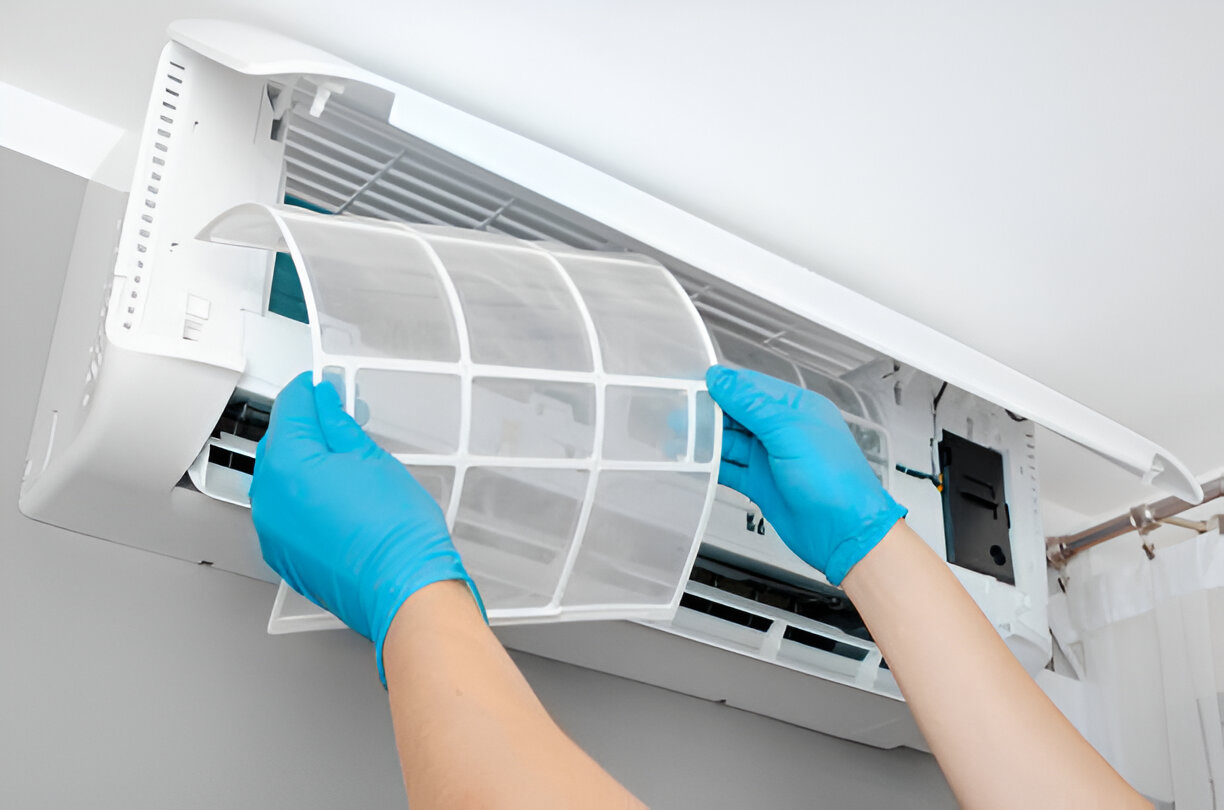
- Check the indoor air filter and clean or replace if dirty.
- Confirm mode settings on the remote or wall controller (heat vs cool, temperature set point).
- Replace batteries in the remote control.
- Ensure the outdoor unit is clear of debris, leaves, and snow.
- Look for visible ice on the indoor coil - do not force a restart if heavily iced.
- Empty or inspect condensate pump and drain lines for clogs.
- Note any error codes displayed on the indoor unit or controller and when the problem occurs (time of day, weather conditions).
Call professional service if you smell burning, see smoke, the system cycles on/off frequently, has poor airflow, or shows persistent loss of cooling/heating.
Preventive maintenance to reduce repairs
Routine maintenance reduces emergency breakdowns in Grandview’s seasonal climate. Recommended practices:
- Annual pre-summer and pre-winter tune-ups that include coil cleaning, refrigerant check, electrical inspection, and calibration.
- Regular filter checks every 1-3 months.
- Keep outdoor units free of vegetation and protected from winter salt and debris.
- Install surge protection when local storms are frequent to protect control boards.
- Enroll in a maintenance program for scheduled inspections and discounted repairs.
Timely repair and preventive care keep mini-splits operating efficiently, extend equipment life, and maintain comfort during Grandview’s temperature extremes. Professional diagnosis and repair ensure safe refrigerant handling, correct electrical work, and reliable restoration of system performance.
Hot Deals & Cool Savings

.webp)
New Service Agreement Membership
.webp)
Any New Client Service
Next Service for Referring a New Client
New Service Agreement Membership
Any New Client Service
Next Service for Referring a New Client
.webp)
.webp)

Service Areas
