
Mini Split Repair in Gahanna, OH
Reliable mini-split repair in Gahanna, OH. Expert on-site diagnostics, fast service, and transparent quotes. Schedule your repair today.

Mini Split Repair in Gahanna, OH
Ductless mini-split systems are a common and efficient choice for Gahanna homes, offering zoned comfort for additions, finished basements, sunrooms, and older houses without ductwork. When a mini-split fails, the loss of reliable heating or cooling can be immediate and uncomfortable — especially during hot, humid Columbus-area summers or cold Ohio winters when defrost cycles and heavy demand stress components.
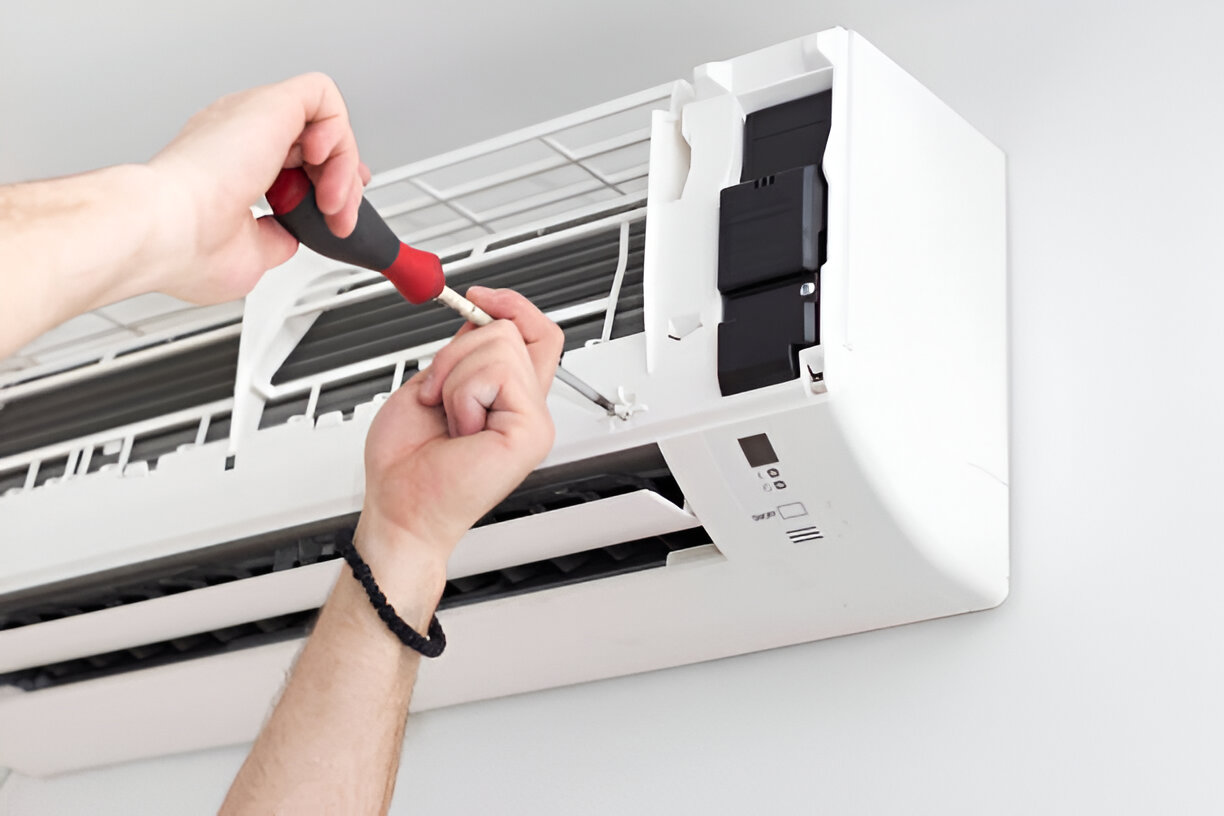
Common mini-split failure symptoms in Gahanna homes
- Indoor unit blows weak air or uneven airflow between zones — often caused by dirty filters, failing blower motors, or blocked ductless placement.
- No cooling or heating despite running — common with compressor failure, refrigerant leaks, or faulty reversing valves.
- System cycles on and off frequently (short cycling) — typically caused by electrical issues, bad capacitors, or oversized equipment.
- Loud or unusual noises from indoor or outdoor units — fan motor bearings, loose panels, failing compressors, or refrigerant flow issues.
- Error codes displayed on the indoor unit or remote — modern systems log faults related to sensors, communication errors, or defrost problems.
- Water leaks or dripping at the indoor unit — clogged condensate lines or failed drain pumps.
- Higher than normal energy bills — poor efficiency from refrigerant loss, failing components, or seasonal strain from high humidity.
Gahanna-specific note: high summer humidity and seasonal pollen can clog filters and coils faster than in drier climates. Freeze-thaw cycles in winter also stress outdoor units and refrigerant circuits, making timely inspection and repair important.
On-site troubleshooting and diagnostic process
Initial assessment and symptom verification
- Technician confirms the exact behavior you’re seeing, checks error codes, and inspects both indoor and outdoor units for obvious damage or leaks.
Electrical and safety checks
- Visual inspection of wiring, breakers, fuses, and disconnects; measurement of voltages and currents to identify bad capacitors, contactors, or motor faults.
Airflow and indoor evaluation
- Inspect filters, evaporator coil cleanliness, indoor blower motor operation, and proper clearance or obstructions around heads and linesets.
Refrigerant and system performance check
- Measure system pressures and temperatures, compare superheat/subcooling where applicable, and use leak-detection methods if refrigerant loss is suspected.
Control and communication diagnostics
- Verify thermostats/remotes, sensors (thermistors), PCB/communication wiring between indoor and outdoor units, and manufacturer fault memory.
Report and estimate
- Technician outlines findings, lists recommended repairs or parts, and provides a clear timeline for on-site repair vs parts ordering.
Typical diagnostic visits in town are focused and designed to either fix the problem during the same visit or to give a direct, itemized plan for follow-up work.
Typical parts replaced or serviced
- Compressor (outdoor) — major component often required when system won’t cool or makes loud knocking noises.
- Capacitors and relays — common failure points that cause motors or compressors to fail to start.
- Fan/blower motors (indoor and outdoor) — cause of poor airflow and strange noises.
- PCBs and inverter/control boards — modern mini-splits rely on electronics that can fail from power surges or moisture.
- Thermistors and temperature sensors — inaccurate readings lead to cycling and comfort problems.
- Reversing valves and expansion devices — affect heating mode performance and refrigerant flow.
- Condensate pumps and drain lines — address indoor leaking and drainage faults.
- Refrigerant line repairs and leak sealing — includes brazing, vacuuming, and recharge where permitted and appropriate.
- Filters and coils cleaning — routine service items that restore airflow and efficiency.
When possible, OEM parts are preferred for compatibility and longevity. In some cases, compatible aftermarket parts are used if OEM is unavailable; warranty coverage can differ between these options.
Estimated timelines and cost factors
- Diagnostic visit: typically 30 to 90 minutes depending on the complexity of the issue and number of zones.
- Minor repairs (capacitor, filter, thermostat, sensor): often completed during the first visit within 30 to 120 minutes.
- Moderate repairs (fan motor, PCB, small refrigerant repairs): may require ordering parts and returning the next business day or within a few days.
- Major repairs (compressor replacement, significant leak repair, system recharging, multi-zone work): typically require scheduling for parts and may take one to several days to complete due to parts lead times and permitting requirements.
Cost drivers include the system age, whether parts are still available from the original manufacturer, the severity of refrigerant loss or compressor damage, accessibility of indoor or outdoor units, and whether multi-zone repairs are required. Expect an itemized estimate after diagnosis that separates parts, labor, and any refrigerant or permit costs.
Emergency call-out and priority service
For urgent situations such as total loss of heating in winter or a refrigeration leak creating indoor humidity and comfort issues, emergency call-out options are available from local service providers in the Columbus/Gahanna area. Priority plans or maintenance memberships often include faster response windows and discounted labor on emergency visits. Response time depends on technician availability and time of day; after-hours and weekend emergencies may incur additional labor considerations.
Warranty and parts information
- Manufacturer warranties: many mini-split manufacturers provide parts and compressor warranties that vary by brand and model; these often cover defects but not damage from age, neglect, or improper installation.
- Labor warranties: reputable local technicians typically offer a limited labor warranty on repairs performed; duration and coverage depend on the provider.
- Replacement parts: using OEM parts helps preserve manufacturer warranty policies; aftermarket parts can be warranted by the installer but may affect manufacturer coverage.
- Documentation: a clear service report and parts invoice should state warranty terms for each component replaced.
Preventive tips and long-term benefits of prompt repair
- Replace or wash indoor filters every 1–3 months during high-use seasons to reduce strain on blowers and coils.
- Keep outdoor units free of debris, vegetation, and snow buildup to maintain airflow and condenser efficiency.
- Schedule annual system checks that include electrical testing, refrigerant check, coil cleaning, and control verification to catch small problems before they become major failures.
- Address odd noises, error codes, or reduced performance early — timely repair preserves compressor life and avoids larger system failures.
Prompt, local repair of mini-splits in Gahanna restores comfort quickly, reduces energy waste, and extends system life — critical in a climate with humid summers and cold winters. When diagnosing and repairing ductless systems, expect a thorough, on-site assessment that prioritizes safety, correct parts, and clear timelines for restoring reliable heating and cooling to your home.
Hot Deals & Cool Savings

.webp)
New Service Agreement Membership
.webp)
Any New Client Service
Next Service for Referring a New Client
New Service Agreement Membership
Any New Client Service
Next Service for Referring a New Client
.webp)
.webp)

Service Areas
