
Mini Split Repair in Bexley, OH
Mini Split repair in Bexley, OH delivers targeted heating and cooling with expert diagnostics and fast service. Schedule your in-home visit today.

Mini Split Repair in Bexley, OH
Ductless mini-split systems are a popular choice in Bexley homes because they deliver targeted heating and cooling without major ductwork. When a mini-split fails or underperforms, it affects comfort quickly — especially during hot, humid Central Ohio summers or abrupt cold snaps.
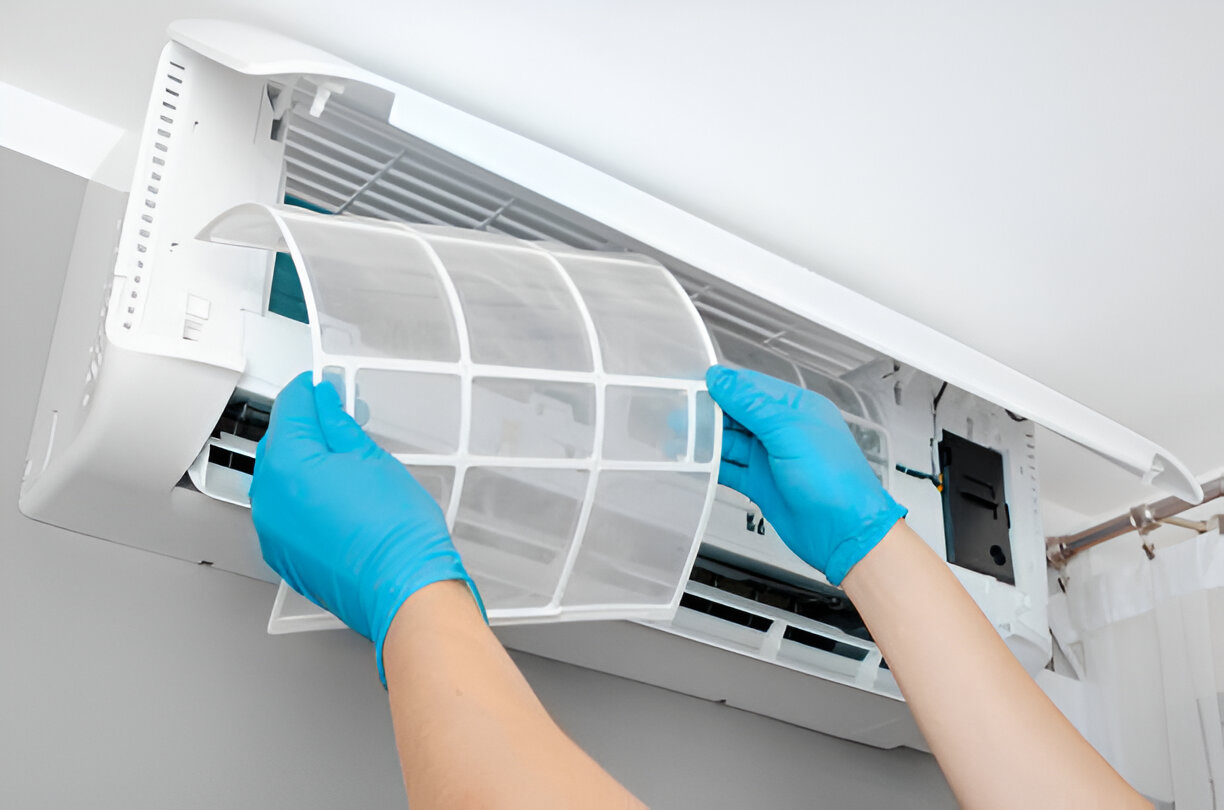
Common mini-split problems in Bexley, OH
Bexley’s mix of older houses and newer construction means mini-splits are used for whole-home comfort or to heat/cool additions and finished basements. These are the issues technicians diagnose most often:
- Compressor issues – Compressor failure or short cycling causes loss of cooling or heating and is often linked to electrical faults, refrigerant problems, or age-related wear.
- Refrigerant leaks – Low refrigerant leads to poor cooling, frosting of the indoor evaporator coil, and long run times. Leaks require locating the source and proper refrigerant recovery and recharge.
- Electrical faults – Faulty contactors, capacitors, control boards, or wiring can stop a unit from starting or cause intermittent operation.
- Fan and motor failures – Indoor or outdoor fan motors that seize, run slowly, or wobble reduce airflow and efficiency.
- Thermostat and control issues – Communication failures between the wall controller, indoor units, and the outdoor condensing unit cause erratic behavior and incorrect setpoint responses.
- Drain and condensation problems – Clogged drain lines or improperly routed condensate can cause water damage to walls and ceilings in older Bexley homes.
- Sensor and refrigerant charge imbalances – Incorrect factory settings, altered system charge, or damaged sensors create comfort imbalances between zones.
Diagnostic process - what a professional will do
A methodical diagnostic process is essential to identify the root cause rather than just treating symptoms:
- System history and inspection - The technician will review your system’s model, age, recent behavior, and homeowner observations, and visually inspect indoor and outdoor units.
- Electrical testing - Check line voltage, fuses, breakers, capacitors, contactors, and control boards for proper operation and safety.
- Refrigerant and pressure checks - Measure system pressures and temperatures, look for signs of leaks, and test components under load.
- Airflow and airflow-path check - Assess indoor blower performance, filter condition, and any ductless airflow obstructions.
- Controls and communication test - Verify thermostat/controller signals, remote wiring, and board-to-board communication.
- Leak detection and moisture inspection - Use electronic leak detectors and inspect drains and condensate pans for blockages or standing water.
This diagnostic sequence lets technicians determine if a repair, part replacement, refrigerant work, or full system replacement is the appropriate solution.
Typical repair solutions and explanations
Here are common repairs and what they involve, explained in straightforward terms:
- Compressor replacement or repair - When the compressor is failing, options depend on unit age and refrigerant type. Replacements require safe refrigerant recovery and proper electrical reconnections.
- Leak repair and refrigerant service - Technicians locate and repair the physical leak, evacuate contaminated refrigerant, and recharge to manufacturer specifications while following federal refrigerant handling rules.
- Electrical component replacement - Replacing capacitors, contactors, relay boards, or sensors restores reliable starting and operation.
- Fan motor and blower repairs - Motors and fan assemblies are replaced or lubricated and realigned to restore proper airflow.
- Control board or thermostat replacement - Updating controllers and reconfiguring zone settings correct communication errors and usability issues.
- Drain clearing and re-routing - Clearing condensate lines and installing proper traps or condensate pumps prevents water damage in tight Bexley spaces.
Timelines and what to expect
Repair timelines vary with the problem and parts availability:
- Same-day fixes - Minor electrical repairs, control resets, and unclogging drains can often be completed the same day.
- Next-day to several days - Component replacements requiring ordered parts (motors, boards, compressors) typically require a short wait for parts and a follow-up visit.
- Multi-day service - Complex refrigerant system repairs, compressor replacements, or multi-zone recharges may require additional diagnostics, parts, and system testing.
Technicians will normally test the system thoroughly after repair and run it through a complete cycle to confirm the issue is resolved and performance is restored.
Warranty, parts, and regulatory compliance
- Manufacturer parts warranty - Replacement parts from original equipment manufacturers usually carry their own warranties; the terms depend on the brand and part.
- Repair warranties - Professional repair work commonly includes a limited labor warranty on the repair itself. Always ask about documentation and warranty terms during the diagnostic visit.
- Regulatory requirements - Refrigerant handling follows EPA Section 608 rules and Ohio refrigerant disposal regulations. Licensed technicians should recover refrigerant and document work to comply with federal and state laws.
Technician qualifications and safety procedures
Qualified technicians for ductless systems should have the following credentials and practices:
- EPA refrigerant certification and training in safe refrigerant recovery and charging.
- Manufacturer-specific training for handling modern inverter-driven compressors and electronic controls.
- Experience with multi-zone systems and correct line-set brazing and evacuation practices.
- Standard safety procedures: lockout-tagout of electrical power, proper personal protective equipment, pressure-safe testing, and ensuring secure mounting and clearance for outdoor units.
- Respect for older Bexley home concerns, like working in tight spaces, minimizing interior disruption, and protecting finishes.
Emergency service availability and after-hours considerations
Mini-split failures can become urgent during heat waves or cold snaps. Emergency responses vary by provider but typically include after-hours troubleshooting, temporary measures to restore safe operation, and prioritized scheduling for full repairs. During extreme weather, expect technicians to focus first on safety and rapid restoration of heating or cooling.
How scheduling an in-home service visit typically works
A straightforward service visit generally follows these steps:
- Provide system details: model numbers and a brief description of the issue.
- Agree on an appointment window and technician arrival time.
- Have the area around indoor and outdoor units accessible; clear furniture and ensure pets are secured.
- Expect the technician to perform a full diagnostic, explain findings in plain language, and outline recommended repair options and expected timelines.
Preventive maintenance tips for Bexley homes
Regular maintenance extends mini-split life and prevents common breakdowns:
- Clean or replace filters monthly during heavy-use seasons.
- Keep outdoor units clear of leaves and debris that accumulate in Bexley yards.
- Schedule annual professional tune-ups before summer and winter peaks to check refrigerant charge, electrical connections, and controls.
- Address strange noises, odors, or reduced airflow promptly — early repairs avoid larger failures.
Professional mini-split repair in Bexley, OH focuses on accurate diagnostics, code-compliant refrigerant handling, trained technicians, and repairs that restore comfort reliably. With proper maintenance and timely professional attention, ductless systems can deliver efficient, zone-specific comfort for many years in Central Ohio’s variable climate.
Hot Deals & Cool Savings

.webp)
New Service Agreement Membership
.webp)
Any New Client Service
Next Service for Referring a New Client
New Service Agreement Membership
Any New Client Service
Next Service for Referring a New Client
.webp)
.webp)

Service Areas
