
Mini Split Repair in Amlin, OH
Expert mini-split repair in Amlin, OH. Quick diagnostics, prompt repairs, and preventive tips to restore comfort and protect your system.

Mini Split Repair in Amlin, OH
Mini-split systems are a popular choice in Amlin, OH for efficient year-round comfort, but like any HVAC equipment they can develop faults that reduce performance or cause failures. If your ductless unit is making unusual noises, not heating or cooling properly, or showing error codes, timely mini-split repair can restore comfort, protect the system, and prevent more costly replacements down the road. Below is a clear, expert guide to the common problems, diagnostic steps, repair procedures, timelines, warranty considerations, and service‑call process tailored to homeowners in Amlin.
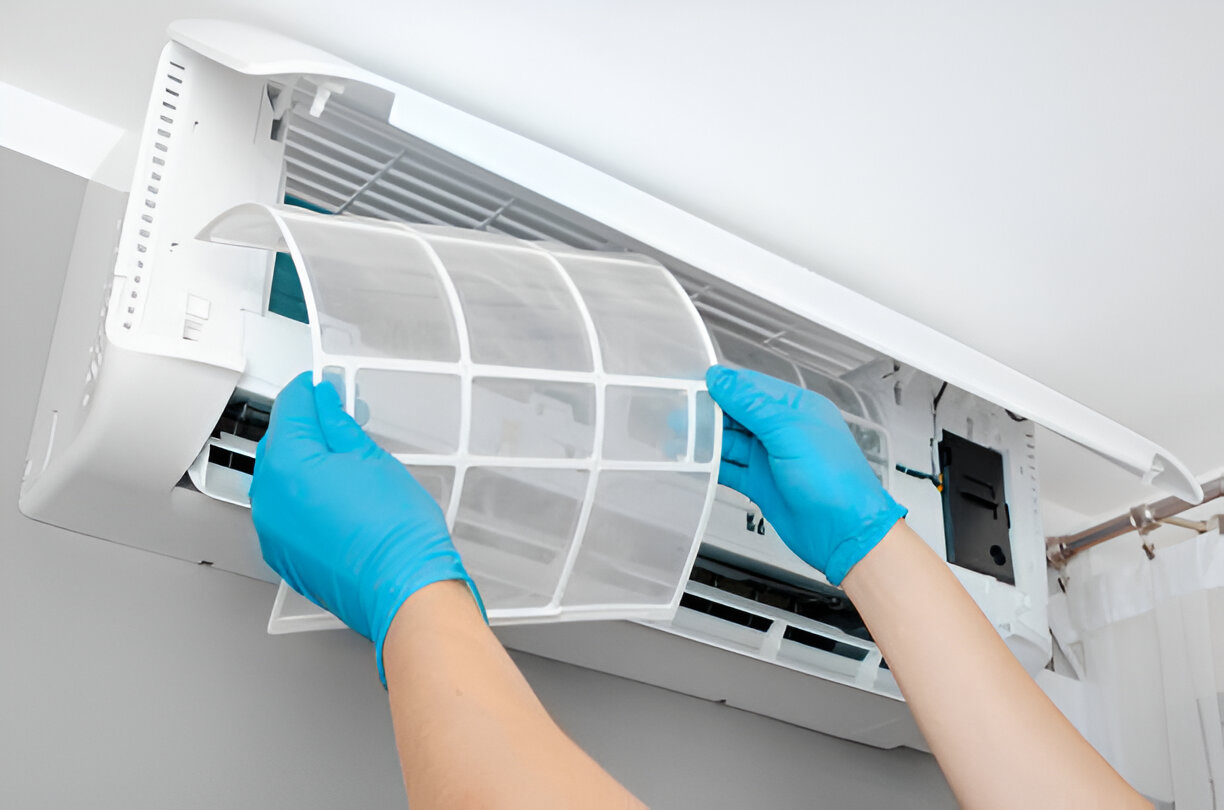
Common mini-split issues in Amlin, OH
Amlin’s humid summers and cold Ohio winters place recurring demands on ductless systems. The most frequent failures we see in local homes include:
- Compressor problems — reduced cooling/heating capacity, failure to start, or loud clanking. Compressors wear over time or can be damaged by low refrigerant or electrical faults.
- Outdoor/indoor fan motor failures — weak airflow, rattling, or motors that do not start. Fan problems reduce heat transfer and efficiency.
- Control board and thermostat faults — intermittent operation, incorrect mode, or persistent error codes on the indoor display.
- Refrigerant leaks — low refrigerant causes poor performance and can damage the compressor if left unaddressed.
- Electrical issues — tripped breakers, bad capacitors or contactors, loose wiring, and corrosion from seasonal moisture.
- Drain and condensate line clogs — common during humid months; can cause water leaks and indoor damage.
- Sensor failures — inaccurate temperature readings leading to short cycling or improper comfort control.
Step-by-step troubleshooting process
A structured diagnostic approach isolates the root cause quickly and safely. Typical steps a qualified technician follows — and tasks homeowners can check before calling — include:
- Visual inspection (homeowner safe): confirm power is on at the disconnect, indoor filter is clean, and outdoor unit is free of debris.
- System status check: read error codes on the indoor controller and log recent symptoms (noises, odors, loss of cooling, intermittent operation).
- Electrical diagnostics: verify breaker, fuses, voltage at the unit, and inspect wiring and connections for heat damage or corrosion.
- Airflow assessment: measure indoor and outdoor fan operation and check for blocked vents or frozen coils.
- Refrigerant and pressure testing: use gauges to check system charge; look for pressure imbalances that indicate leaks or restrictions.
- Component testing: test capacitors, contactors, motors, and the compressor for proper operation with specialized meters.
- Leak detection: if refrigerant loss is suspected, perform an electronic leak search or soap-bubble inspection and dye tracing as needed.
- Control diagnostics: test indoor PCB, remote control, and sensors to confirm correct signal communication.
Parts replacement procedures (what to expect)
Repairs vary in complexity and downtime depending on the failed component:
- Fan motor replacement: involves removing the fan assembly, replacing bearings or the motor, balancing the blade, and re-testing airflow and vibration levels.
- Capacitor or contactor swap: quick electrical component replacements with post-replacement run testing to ensure stable startup and operation.
- Control board replacement: requires careful wiring documentation, uploading or configuring manufacturer settings, and verifying communication between indoor and outdoor units.
- Refrigerant leak repair: locate and repair the leak, recover remaining refrigerant, evacuate the system to required vacuum levels, replace any access valves or damaged copper, then recharge per manufacturer specifications and perform a pressure hold test.
- Compressor replacement: a major repair often requiring evacuation, oil and refrigerant management, brazing of refrigerant lines, and system recharging. This is done following manufacturer guidance to preserve warranty and performance.
All replacement work should use manufacturer-approved parts where possible; technicians typically follow OEM procedures to maintain warranty and long-term reliability.
Typical repair timelines and factors that affect duration
Repair times depend on root cause and parts availability:
- Minor electrical or control fixes: often diagnosed and completed within a few hours on the same visit.
- Fan motor, capacitor, or PCB replacements: commonly finished same day if parts are on the truck; otherwise next-business-day after parts delivery.
- Refrigerant leak detection and repair: can take several hours to a full day depending on leak complexity and whether line replacement is needed.
- Compressor replacement or major refrigerant service: may require half a day to multiple days when factoring in part sourcing, evacuation, and careful system recovery.
Cost factors (without quoting prices) include the severity of the fault, whether OEM parts are used, the need for system evacuation or brazing, and seasonal parts availability. Emergency/after-hours work or specialized components can also affect scheduling and logistics.
Emergency and after-hours response options
Because Amlin experiences both hot, humid summers and bitter cold snaps, many homeowners need rapid responses for loss of cooling or heating. Emergency response processes typically include prioritized dispatching, on-call technicians able to perform temporary fixes or make safe-restoration repairs, and follow-up scheduling for permanent repairs. Safety-first protocols are used for all after-hours work, including secure isolation of electrical sources and clear documentation of temporary measures.
Warranty and parts information
Most mini-split manufacturers offer component and compressor warranties of varying lengths; warranties can be voided if improper refrigerant handling or non-OEM parts are installed. Homeowners should ask for documentation of replaced parts, serial numbers, and any warranty transfer information. Many service providers also offer a workmanship warranty covering labor for a defined period after repair.
How scheduling and technician qualifications work (what to expect)
A professional mini-split repair technician serving Amlin will typically have:
- EPA 608 certification for refrigerant handling
- State licensing and local compliance knowledge for Ohio installations
- Manufacturer-specific training for major ductless brands
- Experience diagnosing inverter-driven compressors and multi-zone systems
- Proper diagnostic tools: digital manifolds, leak detectors, clamp meters, and vacuum pumps
Scheduling usually includes a diagnostic appointment window, on-site system evaluation, and a clear explanation of recommended repairs and expected timelines. For major jobs requiring parts, a follow-up appointment is arranged once the correct OEM components are available.
Preventive maintenance and local considerations for Amlin homes
To reduce the chance of mid-season breakdowns in Amlin:
- Clean or replace indoor filters monthly during heavy use periods.
- Keep the outdoor unit clear of leaves, grass, and snow; ensure six inches of clearance around the unit.
- Schedule annual pre-summer and pre-winter tune-ups to check refrigerant, electrical connections, and control calibration.
- Watch for reduced airflow or unusual sounds after seasonal storms or power outages and have these inspected promptly.
Timely repairs and routine maintenance extend system life, maintain efficiency important for Amlin’s seasonal swings, and preserve manufacturer warranties. Addressing small issues early avoids emergency failures during the hottest or coldest days of the year.
Hot Deals & Cool Savings

.webp)
New Service Agreement Membership
.webp)
Any New Client Service
Next Service for Referring a New Client
New Service Agreement Membership
Any New Client Service
Next Service for Referring a New Client
.webp)
.webp)

Service Areas
