
Mini Split Installation in Worthington, OH
Mini Split Installation in Worthington, OH: Professional, quiet, energy-efficient comfort for zone heating and cooling. Learn more and get a free estimate.

Mini Split Installation in Worthington, OH
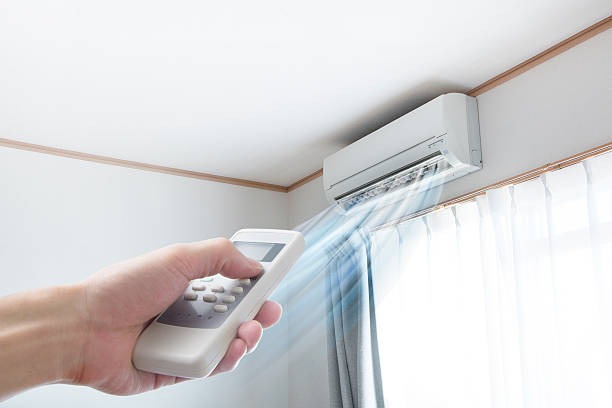
Installing a mini-split system is one of the most effective ways to add efficient, zone-specific heating and cooling to Worthington homes—especially older houses without ductwork or newer additions where extending ducts is impractical. A professionally planned and executed mini-split installation in Worthington, OH delivers quiet comfort, lower energy use, and precise temperature control across multiple rooms.
Why a mini-split makes sense in Worthington
Worthington experiences humid summers and chilly winters. Mini-split heat pumps provide cooling in summer and efficient heating in shoulder months and mild winter days, making them a practical supplement or replacement for inefficient window units and space heaters. They are also ideal for:
- Historic or older homes where cutting ducts would be disruptive
- Finished basements, sunrooms, home offices, and additions
- Homeowners seeking better indoor air quality and reduced room-by-room energy waste
Common mini-split types and common issues in Worthington
- Single-zone wall-mounted units for one room
- Multi-zone systems connecting multiple indoor heads to one outdoor compressor
- Floor-mounted and ceiling cassette options for specific aesthetic or airflow needs
Common installation problems to avoid:
- Oversized or undersized systems due to improper load calculation
- Poor indoor unit placement causing short-cycling or inadequate distribution
- Excessive line lengths or improper refrigerant charge reducing efficiency
- Inadequate electrical service or improper disconnect installation
- Missing permits or noncompliance with local codes, especially in historic neighborhoods
Pre-install consultation and load calculation
A thorough pre-install consultation is the foundation of a reliable system. Key steps include:
- On-site inspection of the home layout, insulation levels, window orientation, and occupancy patterns
- Manual J load calculation to determine correct system capacity for each zone
- Evaluation of existing electrical panel capacity and any needed upgrades
- Discussion of placement preferences, visual impact, and noise sensitivity
- Review of local Worthington permitting requirements and homeowner association or historic district restrictions
This consultation prevents common mistakes like oversizing, incorrect zoning, and unexpected electrical upgrades.
Indoor and outdoor unit placement options
Selecting placement is both technical and aesthetic. Considerations include airflow paths, noise, line length, and accessibility for service:
- Indoor: high wall-mounted for best circulation; floor units for low-wall areas; ceiling cassettes for central rooms or open floor plans
- Outdoor: close to indoor units to minimize line length, on a concrete pad or anti-vibration mounts, and positioned to avoid snowdrift and restricted airflow in winter
- Clearance: maintain manufacturer clearances and consider neighbor line-of-sight and sound, especially in Worthington’s denser neighborhoods
Good placement maximizes performance, reduces visibility, and simplifies maintenance.
Refrigerant line and electrical requirements
Proper refrigerant and electrical work is critical:
- Lineset length limits and elevation differences are matched to manufacturer specs; excess length can require additional refrigerant and reduce efficiency
- Copper lines are insulated to prevent condensation and heat loss
- Systems are vacuumed to remove moisture and then charged to the correct refrigerant level during start-up
- Electrical: dedicated circuit, correct breaker size, outdoor disconnect, and proper grounding are required; heat pump systems often need 240V service
- Local code compliance for wiring, conduit, and labeling is verified before final inspection
Cutting corners on lineset work or electrical sizing leads to poor performance and premature component failure.
Permitting and code compliance in Worthington, OH
Worthington requires building and electrical permits for HVAC changes. Installers should:
- Pull the necessary permits and submit documentation for inspections
- Ensure installations meet Ohio and local energy codes and any historic district guidelines in Worthington
- Provide the homeowner with compliance paperwork and manufacturer warranty registration details
Proper permitting protects homeowners and ensures safe, code-compliant installations.
Step-by-step installation and commissioning
A typical professional installation follows a clear sequence:
- Pre-install site protection: drop cloths, shoe covers, and designated work areas
- Mount indoor unit bracket and install the outdoor pad or mounts
- Drill a small hole for the lineset and routing; run refrigerant lines, condensate drain, and low-voltage wiring through a neat chase
- Set and level indoor and outdoor units; make copper line and electrical terminations per manufacturer instructions
- Pressure test to check for leaks, then evacuate the lines and charge the system to specified refrigerant level
- Power up and perform commissioning: verify refrigerant pressures, measure superheat and subcooling, confirm correct airflow, and test defrost cycles for heat pump operation
- Configure controls, remotes, or Wi-Fi setups and program desired temperature and scheduling behavior
Commissioning ensures the system reaches rated efficiency and operates reliably in Worthington’s climate.
Post-install testing, balancing, and homeowner handoff
After installation, the team will:
- Measure temperature differentials across the indoor unit to confirm cooling/heating capacity
- Check airflow and adjust blade orientation and fan settings for balanced distribution
- Inspect condensate drainage for proper slope and no leaks
- Complete a homeowner walkthrough explaining controls, filter maintenance, and seasonal considerations
- Provide documentation of work performed, test results, and code compliance records
These steps ensure the system performs as expected from day one.
Maintenance recommendations for Worthington homes
Regular maintenance keeps mini-splits efficient and long-lived:
- Clean or replace filters every 1–3 months depending on usage and indoor air quality
- Annual professional check that includes refrigerant level check, electrical inspection, coil cleaning, and calibration of controls
- Clear snow and ice from outdoor units in winter and remove leaves or debris in fall
- Monitor for unusual noises, decreased airflow, or fluctuating temperatures and address issues promptly
Addressing maintenance before extreme summer or winter peaks helps avoid emergency repairs.
What homeowners can expect on install day
Typical timelines and expectations:
- Single-zone installs: 3 to 6 hours; multi-zone systems: a full day or up to two days depending on complexity
- Site prep: clear the area near the chosen indoor wall and outdoor location, and secure pets; installers will protect floors and furnishings
- Cleanliness: technicians use drop cloths, vacuum work areas, and remove installation debris before leaving
- Minimal disruption: power may be shut off briefly for final electrical connections; installers will coordinate timing for your convenience
A professional installation respects the home, the neighborhood, and Worthington’s seasonal realities.
A correctly sized, installed, and commissioned mini-split system delivers reliable comfort, better air quality, and energy savings tailored to Worthington homes. Investing in a thorough pre-install assessment, careful placement, proper refrigerant and electrical work, and documented permitting ensures long-term performance and compliance with local codes.
Hot Deals & Cool Savings

.webp)
New Service Agreement Membership
.webp)
Any New Client Service
Next Service for Referring a New Client
New Service Agreement Membership
Any New Client Service
Next Service for Referring a New Client
.webp)
.webp)

Service Areas
