
Mini Split Installation in Blacklick, OH
Mini Split installation in Blacklick, OH provides ductless heating and cooling for targeted spaces. Learn more and book a site survey today.

Mini Split Installation in Blacklick, OH
Installing a mini-split system is an effective way to add precise heating and cooling to rooms that lack ductwork, reduce energy waste from whole-house systems, or create independent comfort zones in Blacklick, OH homes. With hot, humid summers and cold winters, residents benefit from the year-round flexibility of ductless mini-splits, which provide quiet, efficient cooling and heat pump operation for milder heating seasons.
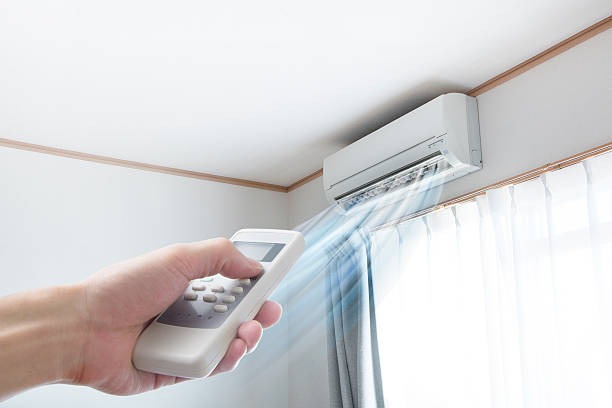
Common reasons Blacklick homeowners choose mini-split installation
- Adding climate control to additions, sunrooms, finished basements, garages, or bedrooms without extending existing ducts
- Replacing inefficient window units or portable heaters to improve comfort and lower energy bills
- Creating multi-zone control for different occupancy patterns or room-by-room temperature preferences
- Preserving historic or slab homes where duct installation is difficult or invasive
Site survey and system selection (single- vs multi-zone)
A thorough site survey is the foundation of a successful mini-split installation. During the survey technicians will:
- Measure room sizes, ceiling heights, insulation quality, window orientation, and sun exposure
- Check existing electrical capacity, breaker panel space, and routing options for wiring and refrigerant lines
- Evaluate where indoor heads will be mounted for optimal airflow and minimal visual impact
- Discuss occupant habits, desired temperature ranges, and whether humidity control is important
System choice depends on these findings. A single-zone mini-split suits one room or a tightly connected open space. A multi-zone system uses one outdoor compressor with multiple indoor heads to serve several rooms while offering independent controls. In Blacklick, multi-zone systems are popular for older central Ohio homes with additions or bedrooms separated from the main HVAC.
Electrical and mounting requirements
Mini-splits need correct electrical infrastructure and secure mounting for longevity and safety:
- Dedicated circuit: Most systems require a dedicated breaker and properly sized wire run from the main panel to the outdoor unit and control wiring to indoor heads. Panel capacity in older homes should be evaluated.
- Outdoor pad or wall brackets: The outdoor condenser must sit level on a concrete or composite pad or be mounted on corrosion-resistant brackets on an exterior wall. Proper elevation helps prevent snow buildup in winter.
- Refrigerant and condensate routing: Refrigerant lines are routed through a small hole or chase to each indoor head; condensate drain lines must slope to a safe drain or exterior drain point.
- Clearances: Maintain manufacturer-specified clearances around indoor and outdoor units for airflow and service access, and plan mounting locations that minimize line length for efficiency.
Step-by-step installation and commissioning
A typical installation follows organized steps to ensure performance and code compliance:
- Final site preparation and marking indoor head locations based on the survey.
- Mount indoor head brackets and core-drill small wall penetrations using insulated sleeves to protect the opening.
- Install the outdoor unit on a prepared pad or brackets; position to avoid prevailing winds and ice/snow accumulation.
- Run refrigerant lines, electrical wiring, and a condensate drain between indoor and outdoor units, protecting lines in a neat, weatherproof appearance.
- Vacuum the refrigerant lines to remove moisture and air, then charge the system per manufacturer specifications.
- Energize electrical circuits, power up the system, and perform functional checks on each indoor head.
- Commissioning includes checking superheat/subcooling, verifying airflow and setpoints, and ensuring thermostats/controllers communicate properly with the outdoor unit.
All steps emphasize manufacturer instructions and industry best practices to protect warranties and ensure efficiency.
Permit and code considerations in Blacklick, OH
Most mini-split installations require a permit and must meet local building and electrical codes. Permit requirements typically address:
- Refrigerant handling and disposal by certified technicians
- Electrical permit for new dedicated circuits or panel modifications
- Structural considerations if mounting on exterior walls or roofs
Local code officials may be specific about line set routing, condensate disposal, and seismic or wind anchoring standards. Licensed HVAC contractors in Franklin County or the City of Columbus area will be familiar with Blacklick permitting procedures and inspection timelines.
Post-installation testing and homeowner orientation
After installation, technicians perform comprehensive testing and then walk homeowners through operation and care:
- Performance checks: Verify temperature change, airflow balance, refrigerant pressures, and proper defrost cycle operation for heat pump models.
- Noise and vibration assessment: Ensure outdoor and indoor units are secure and not transmitting vibration into the structure.
- Condensate and drainage test: Confirm drains operate reliably, with no backflow risk.
- Orientation: Demonstrate control features (scheduling, zones, fan speeds, modes), filter removal and cleaning, and recommended maintenance intervals. Homeowners receive guidance on seasonal use to maximize efficiency and comfort in Blacklick’s variable climate.
Typical project timeline
Most residential mini-split installations in single-family Blacklick homes can be completed in one to three days, depending on system complexity:
- Single-zone unit: often completed in a single day (site prep, install, commissioning).
- Multi-zone system: typically two to three days for multiple indoor head installations, line routing, and thorough commissioning.
- Permit and inspection windows may extend total project time; scheduling should account for local inspection availability.
Warranties and financing options
Mini-split systems carry manufacturer warranties for compressors and sometimes for parts and labor, varying by brand and model. Homeowners should review:
- Compressor and parts warranty length and any required registration steps
- Labor warranty terms provided by the installing contractor
- Extended warranty packages that cover annual service and repairs
Financing options are commonly available through third-party lenders or contractor programs for qualified homeowners. Financing arrangements can make higher-efficiency multi-zone systems more affordable by spreading costs over time while capturing energy savings.
Maintenance and long-term benefits
Regular maintenance keeps mini-splits operating efficiently and extends equipment life:
- Clean or replace indoor filters every 1–3 months depending on use and indoor air quality
- Annual professional inspection of refrigerant charge, electrical connections, and condensate drains
- Prompt attention to any abnormal noises or performance drops
Benefits for Blacklick homes include targeted comfort, lower energy use compared with running a central system for limited spaces, improved indoor air quality with multi-stage filtration options, and quiet operation. For many homeowners, a correctly sized and professionally installed mini-split system delivers immediate comfort improvements and predictable performance across Columbus-area seasons.
Hot Deals & Cool Savings

.webp)
New Service Agreement Membership
.webp)
Any New Client Service
Next Service for Referring a New Client
New Service Agreement Membership
Any New Client Service
Next Service for Referring a New Client
.webp)
.webp)

Service Areas
