
Mini Split Installation in Baltimore, OH
Mini Split Installation in Baltimore, OH delivers energy-efficient comfort without ductwork. Schedule a professional assessment today.

Mini Split Installation in Baltimore, OH
Mini-split installation in Baltimore, OH is a practical, energy-efficient solution for homes that need targeted heating and cooling without extending or modifying existing ductwork. In central Ohio, where humid summers and cold winters create wide seasonal swings, a properly installed ductless mini-split can deliver better comfort, lower energy use, and reliable zoned control for older houses, additions, basements, and rooms that are hard to serve with a traditional HVAC system.
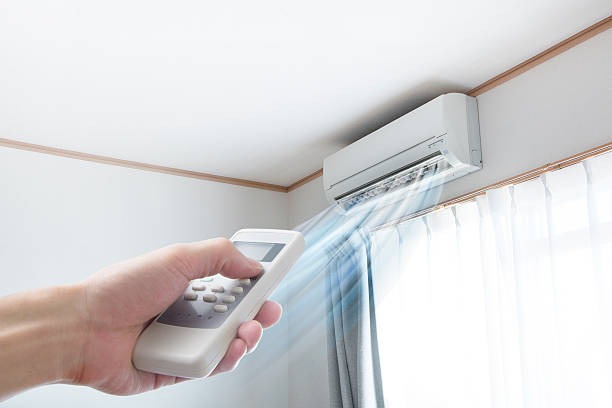
Common mini-split needs and issues in Baltimore, OH
- Uneven temperatures in older, two-story or historic homes without ductwork.
- High cooling loads during humid July and August days.
- Difficulty heating small zones (finished basements, additions, sunrooms) efficiently in winter.
- Limited outdoor or side-yard space for an outdoor condenser in tight lots.
- Concern about visible outdoor equipment in neighborhoods with historic character.
- Previous DIY installations with inadequate refrigerant charge, improper drainage, or electrical issues.
What a professional site assessment and load calculation includes
A successful mini-split installation starts with a detailed site assessment and load calculation (Manual J). For Baltimore, OH homes this assessment factors in:
- Home size, ceiling heights, window orientation, and insulation levels.
- Local climate data: summer humidity and winter design temperatures used to size heating and cooling capacity.
- Room-by-room usage to define zoning needs (bedrooms, living spaces, finished basements, etc.).
- Structural considerations like wall construction and potential locations for indoor units and exterior condensers.
Accurate sizing prevents short cycling, poor dehumidification, and inefficient operation. Oversizing is a common problem that causes comfort complaints and higher operating costs.
Indoor and outdoor unit placement
Placement decisions affect performance, noise, aesthetics, and maintenance access.
Indoor unit options:
- Wall-mounted units are the most common for bedrooms and living rooms. They deliver strong airflow and are simple to service.
- Ceiling cassettes distribute air evenly in larger open rooms or finished basements.
- Low-profile floor units work well on short walls or where mounting height is limited.
Outdoor unit considerations for Baltimore, OH:
- Locate the condenser on level ground or a wall bracket above typical snow drift height to avoid blockage during winter.
- Provide manufacturer-prescribed clearance for airflow and service access.
- Minimize visibility from the street in historic neighborhoods by positioning near side yards or using screening that does not restrict airflow.
- Consider vibration isolators and a concrete pad to reduce noise transmission to adjacent rooms and neighbors.
Line-set, refrigerant piping, and electrical requirements
Proper running of refrigerant lines, control wiring, and electrical connections is vital:
- Refrigerant line-sets must be sized and insulated to limit losses and avoid excessive oil migration in long runs. Manufacturers specify maximum line lengths and height differentials for multizone systems.
- Electrical work typically requires a dedicated circuit, correctly sized breaker, and a local disconnect at the condenser. Older homes may need a panel upgrade to add the necessary breaker.
- Control wiring for multi-zone systems must be routed cleanly and protected where exposed.
A licensed electrician and HVAC technician ensure code-compliant wiring and safe breaker sizing.
Condensate management and winter protection
Condensate handling is especially important in humid summers and for installations in below-grade spaces:
- Many units use gravity drains; others require internal condensate pumps to lift water to an exterior drain. Pumps should route discharge away from foundations and sidewalks.
- Insulate condensate lines and install freeze-resistant configurations for exterior drain points.
- In cold months, protect outdoor piping and linesets with correct insulation and heat tape solutions when required.
Zoning and multi-head configurations
Mini-splits excel at zoning. Typical configurations:
- Single-zone: one outdoor unit paired with one indoor head, ideal for single rooms or garage conversions.
- Multi-zone: one outdoor unit supports multiple indoor heads (2 to 8+), letting each room run independently. This is ideal for whole-house supplemental heating or targeted cooling across bedrooms and common areas.Important considerations:
- Total outdoor unit capacity must match the combined capacity of indoor heads and adhere to manufacturer limits.
- Line length and elevation changes between heads affect placement and performance. Proper planning prevents refrigerant distribution issues.
Permitting and code compliance in Baltimore, OH
Permits and inspections are commonly required for refrigerant handling, electrical work, and new mechanical installations. Local code requirements to expect:
- Mechanical and electrical permits filed with the county or village building office.
- Installation by or under the supervision of licensed HVAC technicians and electricians.
- Compliance with state refrigerant handling regulations and proper disposal/recovery procedures.
Permitting protects homeowners and ensures the system is installed safely and legally.
Project timeline and what to expect
Typical mini-split installation timeline for Baltimore, OH projects:
- Site assessment and quote: 1 to 3 days for scheduling.
- Permitting: variable; often a few days to 2 weeks depending on local workload.
- Installation: a well-prepared single-zone install can be completed in 4 to 8 hours. Multi-zone systems and homes requiring panel upgrades or line concealment can take 1 to 3 days.
- Final inspection and commissioning: usually scheduled within a week of installation.
These are general ranges; complexity, permits, and weather can affect scheduling.
Commissioning and performance testing
Commissioning ensures the system performs as specified:
- Technicians verify refrigerant charge, measure operating pressures, and confirm correct airflow and setpoint response.
- Electrical connections, safety controls, and condensate drains are checked under load.
- Performance testing includes measuring temperature split, verifying defrost cycles in heat pump systems, and checking noise and vibration levels.
Hands-on testing at installation reduces callbacks and maximizes efficiency.
Homeowner orientation, warranty, and maintenance recommendations
A thorough orientation helps you operate your system correctly:
- Review remote controls, zone scheduling, temperature setpoints, and any smart or Wi-Fi integrations.
- Demonstrate filter removal and cleaning, and explain simple winter care tips.
- Provide written warranty details for equipment and workmanship, and recommend following the manufacturer maintenance schedule.
Recommended maintenance:
- Clean or replace filters monthly to quarterly depending on use.
- Schedule professional system checks annually, ideally before summer cooling and prior to the heating season for heat pump models.
- Keep outdoor condensers free from debris, snow, and vegetation.
Hot Deals & Cool Savings

.webp)
New Service Agreement Membership
.webp)
Any New Client Service
Next Service for Referring a New Client
New Service Agreement Membership
Any New Client Service
Next Service for Referring a New Client
.webp)
.webp)

Service Areas
