Whole House Humidification in Westerville, OH
Whole-house humidification for Westerville, OH homes. Learn installation steps, water quality, maintenance tips, and cost drivers — schedule a consult today.
Whole House Humidification in Westerville, OH
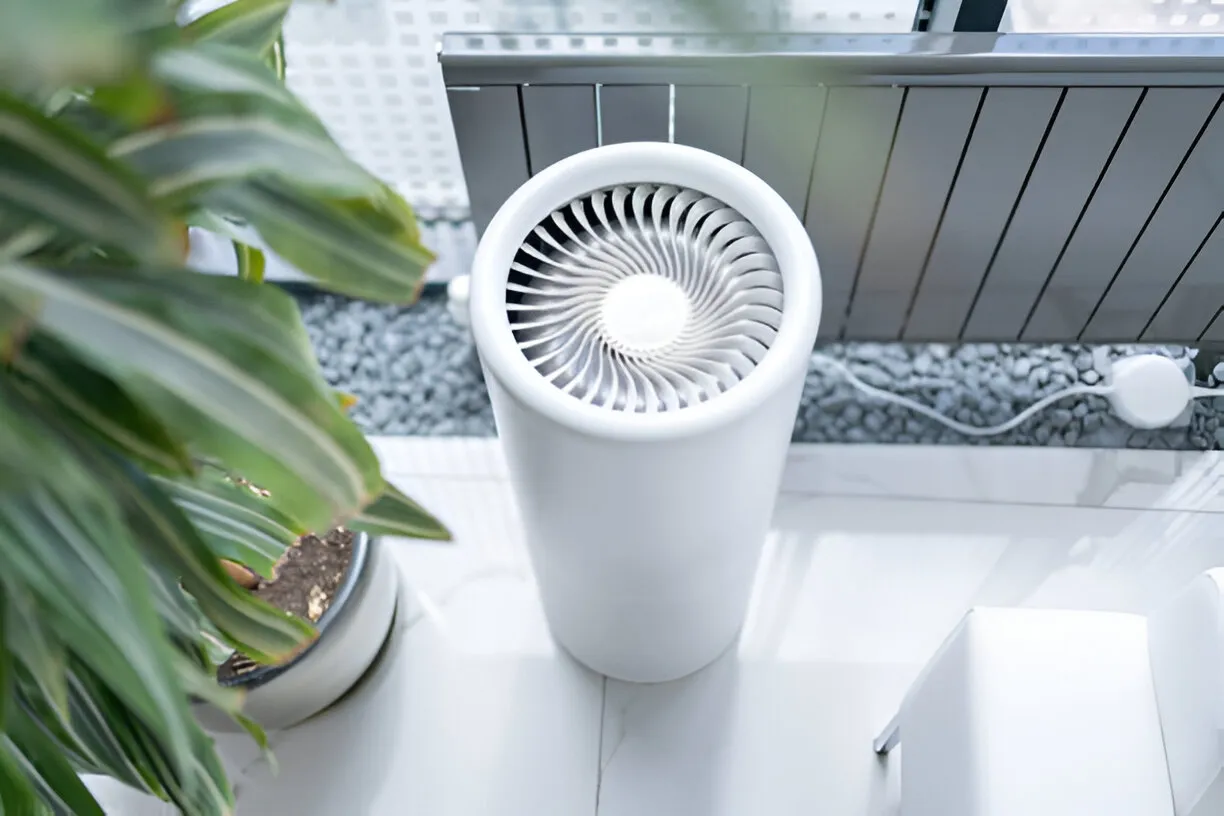
Dry winter air in Central Ohio makes whole-house humidification one of the most effective comfort upgrades for Westerville homes. Proper indoor humidity reduces static shock, minimizes dry skin and respiratory irritation, and protects wood floors, trim, and musical instruments from shrinking and cracking.
Why Westerville homes need whole-house humidification
Westerville experiences cold, dry winters when furnaces and lower outdoor humidity drive indoor relative humidity well below healthy levels. Low humidity can:
- Cause dry skin, chapped lips, sore throats, and increased allergy and asthma irritation
- Create static electricity and make carpet and fabric feel unpleasant
- Damage wood furniture, hardwood floors, doors, and window frames through shrinkage and crackingA properly sized whole-house humidifier maintains optimal indoor humidity (generally 30–45% in winter), improving comfort and protecting finishes and furnishings.
Common whole-house humidification issues in Westerville
Homeowners often seek service for problems that are predictable given the local climate and water conditions:
- Insufficient humidity despite a humidifier: incorrect sizing, poor integration with HVAC, or control miscalibration
- Over-humidification and window condensation in tightly sealed homes: improper control or placement of the humidistat
- Mineral buildup and white dust from hard water, which impairs performance and can soil nearby surfaces
- Leaks, clogged pads or panels, and electrical or control failures
- Bacterial or algae growth in units with poor sanitation or irregular maintenance
Types of whole-house humidifiers (and which fits Westerville homes)
- Steam humidifiers (electric)
- Pros: Fast, precise humidity control; suitable for tightly sealed or larger homes; no dependence on HVAC airflow
- Cons: Higher energy use; more complex installation and electrical requirements
- Best for: Larger Westerville homes or houses with significant humidity demands
- Evaporative humidifiers (furnace-mounted)
- Pros: Energy-efficient, fewer moving parts, lower operating cost; typically use a replaceable evaporative pad
- Cons: Requires regular pad replacement and maintenance; performance influenced by airflow through the furnace
- Best for: Typical single-family homes in Westerville seeking balance of cost and performance
- Bypass humidifiers (duct-mounted, using furnace air)
- Pros: Simple, low energy use, integrates with existing furnace airflow
- Cons: Depends on furnace running for distribution; may be less effective in multi-zone systems without proper ductwork
- Best for: Homes with central forced-air systems and single HVAC zones
Sizing and placement guidance
Correct sizing ensures even humidity without condensation:
- Determine humidification capacity based on home square footage, ceiling height, insulation, and airtightness. Tighter, well-insulated Westerville homes need less capacity than older, draftier houses.
- Place humidifier components where the HVAC system best distributes treated air — typically on the furnace or main supply duct. Humidistats should be mounted in a frequently occupied space away from direct drafts, windows, or exterior doors to read representative humidity.
- For zoned HVAC systems, consider a model that supports multi-zone distribution or separate control per zone.
Integration with HVAC systems
Whole-house humidifiers work most reliably when integrated with your forced-air system:
- Bypass and evaporative units typically connect to the furnace and use duct pressure and blower operation to distribute moisture.
- Fan-powered or steam units can operate independently of furnace cycles for more consistent humidity.
- Controls: Modern systems use digital humidistats or smart home integrations to maintain target humidity and limit humidity when outdoor conditions would cause condensation on windows. Proper wiring and control logic prevent over-humidification when outside temperatures are low.
Water quality and sanitation considerations for Westerville properties
Central Ohio water can be moderately hard, and mineral content affects humidifier performance:
- Mineral buildup (scale) reduces efficiency and shortens component life. Options to address minerals include demineralization cartridges, using distilled or softened water, or selecting steam units with scale management features.
- Sanitation: Stagnant water and organic matter can promote microbial growth. Choose models with easy-access trays and pads, follow manufacturer cleaning schedules, and consider UV or antimicrobial features for high-risk environments.
- Drain and water supply installation must ensure no backflow into the household plumbing and allow for safe discharge of wastewater where required.
Installation process — what to expect
A professional installation typically follows these steps:
- Home assessment: Evaluate HVAC type, duct layout, existing humidification needs, water supply access, and electrical availability.
- System selection: Match humidifier type and capacity to home size and lifestyle needs.
- Mechanical installation: Mount the unit to the furnace or duct; connect to the water supply with a protected line and install a drain where necessary.
- Electrical and control wiring: Provide power and wire humidistat or integrate with HVAC control board.
- Commissioning: Test operation, calibrate humidistat, check for leaks, and demonstrate system controls.Proper installation minimizes risk of over-humidification, leaks, and noise.
Routine maintenance and seasonal controls
Ongoing care keeps systems effective and sanitary:
- Replace evaporative pads or panels seasonally as recommended by the manufacturer and clean trays and housings annually.
- Inspect for mineral scale and descale components when buildup appears; consider water treatment if deposits are frequent.
- Winter control: Maintain indoor humidity in the 30–45% range; reduce setpoints if you see window condensation or cold-surface moisture.
- Use a reliable hygrometer in living areas to verify humidity levels and adjust scheduling or setpoints through the control interface.
Expected cost drivers and warranty considerations
Rather than fixed prices, plan around these cost factors:
- Unit type and capacity (steam units typically cost more than bypass or evaporative)
- Installation complexity (additional ductwork, electrical upgrades, or water/drain routing add time and expense)
- Water treatment options (demineralization cartridges, water softeners, or RO connections)
- Controls and smart integration (advanced humidistats or smart home compatibility)When reviewing warranties, check for:
- Manufacturer coverage for parts and, if applicable, labor
- Warranty length for evaporative elements (pads) versus mechanical components
- Conditions that may void coverage (improper maintenance or untreated hard water)Register units where required and retain documentation to support any warranty claims.
Benefits and closing notes
Whole-house humidification in Westerville, OH improves year-round comfort, protects wood and finishes, reduces airborne irritants, and can extend the useful life of interior features. Selecting the right system, integrating it correctly with your HVAC, addressing local water quality, and committing to routine maintenance will deliver consistent, healthy humidity control tailored to Central Ohio climate patterns.
Hot Deals & Cool Savings

.webp)
New Service Agreement Membership
.webp)
Any New Client Service
Next Service for Referring a New Client
New Service Agreement Membership
Any New Client Service
Next Service for Referring a New Client
.webp)
.webp)
Service Areas