
Whole House Dehumidifiers in Westerville, OH
Whole-home dehumidifier installation in Westerville, OH reduces humidity and mold risk, boosting comfort. Learn more about moisture control.

Whole House Dehumidifiers in Westerville, OH
High humidity is one of the most common, yet overlooked, comfort and health problems in Westerville homes. Summers in central Ohio are warm and muggy, basements are often damp year-round, and seasonal temperature swings create condensation on windows and in ductwork. A properly sized whole house dehumidifier brings reliable moisture control across every living space — preventing mold and musty odors, protecting finishes, and reducing the load on your air conditioner.
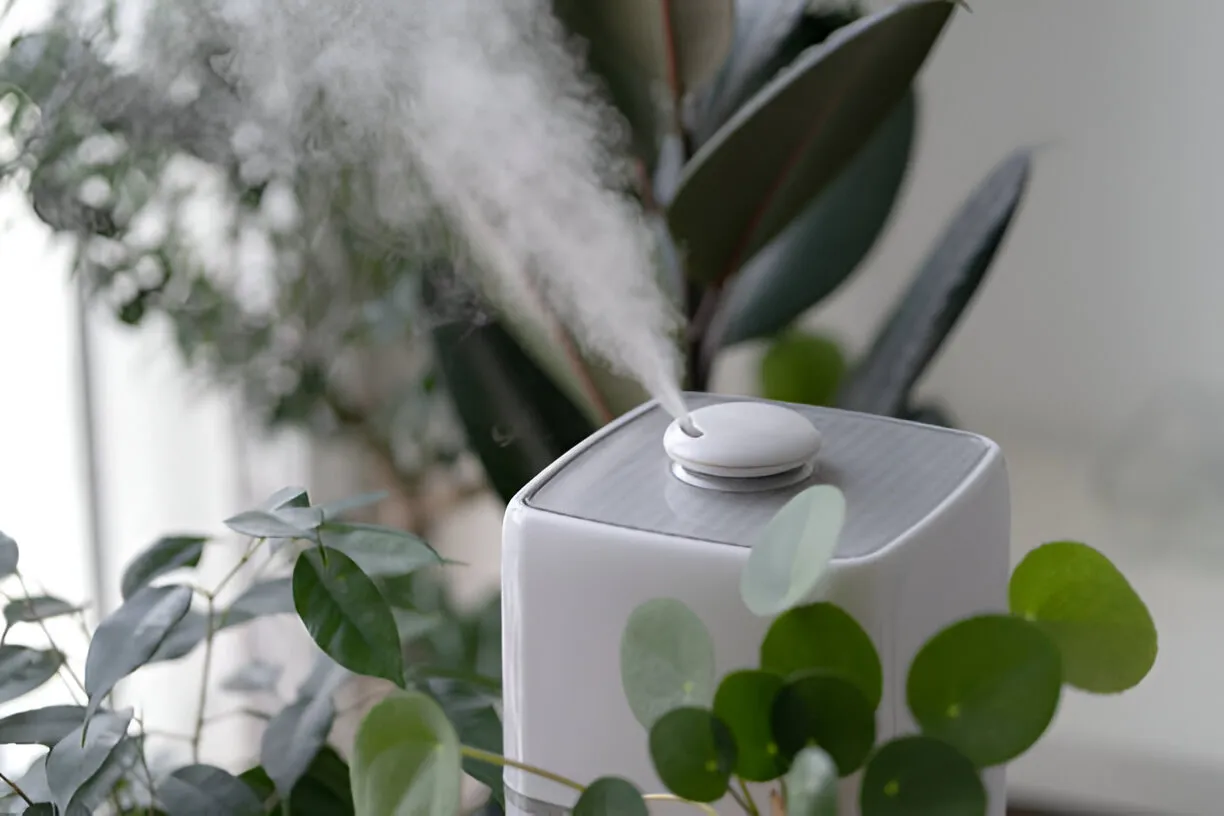
Common moisture problems in Westerville homes
- Finished basements that smell musty or show efflorescence on foundation walls
- Condensation on windows and cold surfaces during humid months and in shoulder seasons
- Frequent laundry or cooking making upstairs rooms feel clammy
- Mold or mildew in closets, bathrooms, or behind furniture
- HVAC coils icing or short-cycling because of excessive humidity
Types of whole-house dehumidification solutions
- Ducted whole-house dehumidifiers (packaged): A single cabinet connects to the central duct system and treats air pulled from return ducts. Good for full-home coverage with minimal ductwork modification.
- Split whole-house dehumidifiers: Similar performance but with an indoor coil and remote condenser. Useful where exterior space or noise considerations make separation desirable.
- Integrated HVAC dehumidification modules: Some systems mount directly with the furnace or air handler and share ducting and power. They are compact and can be cost-effective for existing HVAC systems.
- Dedicated basement units sized for lower-ceiling, high-moisture spaces: Often installed as a standalone unit in the basement and tied into basement ductwork or run on a separate airflow loop.
Sizing guidance — how much capacity will you need?Capacity depends on home size, leakage, occupancy, and how damp the space is. Use these practical guidelines for Westerville conditions:
- Small basement (500–800 sq ft, moderate dampness): 30–50 pints per day
- Medium basement or finished lower level (800–1,200 sq ft, higher moisture): 50–70 pints per day
- Typical 2,000–2,500 sq ft whole home with average leakage and Ohio summer humidity: 50–90 pints per day, with higher capacities needed for very leaky or heavily occupied homes
- Large or very damp homes, or homes with multiple finished basement rooms: 90+ pints per day
For an accurate recommendation, calculate volume (square footage × ceiling height), evaluate basement slab and foundation conditions, and account for occupants and activities (showers, cooking, laundry). Local HVAC professionals in Westerville will perform a moisture load calculation to select the right unit.
Installation options and drain requirements
- Drain types: gravity drain to a floor drain or exterior outlet, or condensate pump to lift water to a drain or sump. Basements without convenient floor drains typically require a condensate pump.
- Tie-in to sump or sewer: In many Westerville basements, routing condensate to a sump crock is preferred; check local code and sewer regulations before discharging to sanitary lines.
- Split vs packaged: Packaged units are easier to install where space next to the air handler is limited. Split systems require refrigerant piping but can be quieter and more flexible in placement.
- Ductwork and airflow: Proper return and supply connections are essential. A dehumidifier needs sufficient airflow to reach its rated capacity; undersized duct connections reduce performance.
- Placement: Install in a central mechanical area if possible, keeping clearances for service. Avoid placing against exterior walls if freezing is a concern unless the unit is rated for such conditions.
Benefits for mold prevention, comfort, and home protection
- Mold and mildew control: Keeping relative humidity between 40–50% makes conditions unfavorable for mold spores to grow on walls, insulation, and stored items.
- Improved comfort: Lower humidity makes indoor temperatures feel cooler and reduces the need for aggressive AC cooling.
- Structural protection: Reduces swelling and warping of wood floors, doors, and trim; helps insulation perform as intended.
- Health advantages: Less dust mite activity and fewer triggers for asthma and allergies caused by mold and mildew.
- Energy effect: By reducing latent load (moisture), whole-home dehumidification can allow air conditioners to run less and maintain comfort without overcooling.
Energy-efficiency considerations
- Look for variable-speed compressors and ECM (electronically commutated) fans — they modulate output and use less electricity at partial loads common in shoulder seasons.
- Dehumidifier efficiency is commonly expressed as pints removed per kilowatt-hour; higher numbers mean better performance. Energy-rated models cost less to run over a season.
- Pairing strategy: Coordinating dehumidification with your HVAC system (for example, running dehumidification modes rather than lowering thermostat setpoints) yields the best energy and comfort balance.
- Year-round operation: Choose a unit rated for operation in Ohio’s shoulder seasons and colder basement temperatures to avoid frequent cycling or frost buildup.
Controls and automation
- Built-in humidistats maintain a target relative humidity and automatically adjust runtime. Setpoints of 40–50% RH are typical for basements and whole homes.
- Smart or remote controls allow scheduling, monitoring, and alerts — useful for vacation homes or for monitoring a finished basement.
- Integration with thermostats and home automation: Some systems can communicate with your thermostat so cooling and dehumidification are coordinated, preventing unnecessary cooling just to remove moisture.
- Zoning: If only the basement or certain areas need control, zoning or a dedicated basement unit can be more efficient than whole-home treatment.
Maintenance tasks to ensure reliable performance
- Clean or replace intake filters regularly (typically every 1–3 months) to preserve airflow and efficiency.
- Inspect and clear condensate drains and traps to prevent backups and microbial growth.
- Clean coils and drain pans annually to maintain heat transfer and reduce odor risks.
- Check refrigerant charge and blower motor performance during yearly service, especially before summer.
- Verify control calibration and humidistat placement; avoid locating sensors near supply vents or in direct sunlight.
Pairing with HVAC systems in Westerville homes
- Complementary operation: A dehumidifier reduces latent load so your air conditioner can maintain comfort without excessive cooling. This keeps rooms at comfortable temperatures without cycling the AC.
- Avoiding coil freeze: Proper control strategy prevents the air conditioner evaporator from running too cold in low-load conditions. Some dehumidifiers include reheat or operate independently to avoid overcooling.
- Duct compatibility: Ensure the air handler can supply the airflow a ducted dehumidifier needs; sometimes adding a return grille or modifying duct sizes improves system balance.
Hot Deals & Cool Savings

.webp)
New Service Agreement Membership
.webp)
Any New Client Service
Next Service for Referring a New Client
New Service Agreement Membership
Any New Client Service
Next Service for Referring a New Client
.webp)
.webp)

Service Areas
