
Whole House Humidification in Hilliard, OH
Whole House Humidification in Hilliard, OH improves comfort and protects wood; learn more about humidity through an integrated system.

Whole House Humidification in Hilliard, OH
Keeping indoor humidity in the right range is one of the most effective ways to improve year‑round comfort, protect wood and finishes, and reduce cold‑season health symptoms in Hilliard, OH homes. Whole house humidification systems add controlled moisture to your HVAC‑conditioned air so humidity is balanced throughout every room — not just near a portable humidifier.
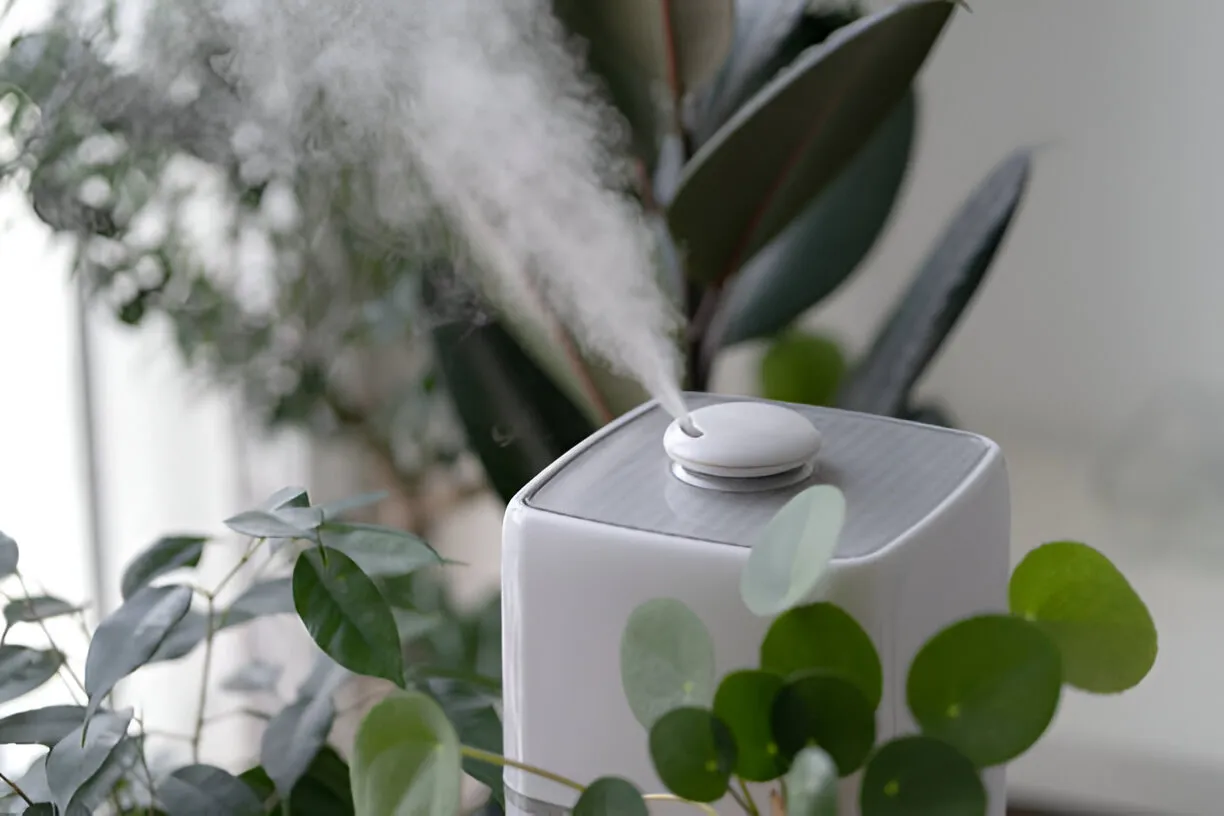
Why whole house humidification matters in Hilliard
Hilliard’s climate produces cold, dry winters and humid summers. During winter heating, indoor relative humidity often drops below 20 to 25 percent, causing dry skin, irritated airways, static shocks, shrinking and cracking of wood floors and trim, and tuning issues for musical instruments. A whole house humidifier raises humidity evenly, improving comfort and protecting woodwork. In summer, the concern is often excess humidity; that means humidification is primarily a winter solution in this region or used in tandem with dehumidification when needed.
Types of whole house humidification systems (pros and cons)
- Steam humidifiers
- Pros: Fast, precise control; suitable for tightly sealed, large, or multi‑story homes; not dependent on furnace operation.
- Cons: Higher installation and operating costs due to electricity or steam source; requires regular maintenance for scale control.
- Bypass humidifiers
- Pros: Low operating cost; no additional electricity; simple design that uses furnace air flow.
- Cons: Output depends on furnace run time and airflow; less effective in homes with variable fan schedules.
- Fan‑powered humidifiers
- Pros: Higher output than bypass models; works independent of furnace blower speed.
- Cons: Uses some electricity and can be noisier; requires space in the duct or return plenum.
- Evaporative (pad) humidifiers
- Pros: Economical water usage; easy to service; good for moderate humidification needs.
- Cons: Pads need annual replacement; output varies with air velocity and water quality.
Choosing the right technology depends on home size, envelope tightness, local winter severity, and water hardness common in central Ohio.
Sizing and placement
Proper sizing ensures consistent humidity without over‑humidifying. Factors to consider:
- Home square footage and ceiling height
- Building tightness (older drafty houses need more capacity)
- Typical winter indoor temperature setpoints
- Presence of wood floors, pianos, or sensitive finishes that need protection
Typical capacity guidelines (approximate):
- Small homes or apartments (up to 1,500 sq ft): lower‑capacity evaporative or bypass units
- Mid‑size homes (1,500 to 3,000 sq ft): fan‑powered or higher‑capacity evaporative units
- Large or very airtight homes (over 3,000 sq ft) or homes with high protection needs: steam humidifiers rated for higher output
Placement: Humidifiers are commonly installed on the furnace return or supply plenum, or for steam models, remotely with a pipe into the supply duct. The humidistat (sensor) should be located centrally at breathing height, away from exterior walls, direct sunlight, and supply registers for accurate readings.
Integration with HVAC and controls
Whole house humidifiers integrate with the furnace or air handler and are typically controlled by a standalone humidistat or integrated with a smart thermostat. Modern systems offer:
- Demand control tied to occupancy or furnace operation
- Outdoor temperature compensation to automatically lower setpoints on very cold days and prevent condensation
- Remote monitoring for warnings on low water, scale, or faultsFor Hilliard homes, outdoor temperature compensation is especially helpful to reduce condensation risk during subfreezing spells.
Typical installation steps
- Home assessment and load calculation to determine capacity
- Select humidifier type and location; verify water supply and drain access
- Shut down HVAC, cut and fit duct or plenum openings, mount unit
- Connect water line and drain; install electrical or steam connections
- Install humidistat and any smart controls; wire to HVAC and controller
- Commission system: verify output, calibrate controls, and run leak and safety checks
- Provide homeowner orientation on controls and maintenance needs
Ongoing maintenance and monitoring
Regular maintenance preserves performance and prevents problems:
- Replace evaporative pads annually; clean fan and housing as needed
- Clean or descale steam electrodes and steam generator per manufacturer guidance; consider water treatment in hard water areas
- Check drain lines and connections for clogs or leaks
- Calibrate humidistat annually and keep sensors free from dust
- Use smart monitoring or a leak sensor near the unit in basements or utility rooms for early detection of issues
Hilliard’s municipal water hardness can affect maintenance frequency; homeowners with hard water should plan for more frequent descaling or consider water softening options.
Cost and energy impacts
Energy and operating costs vary by system:
- Steam humidifiers: higher energy consumption but excellent performance in large or airtight homes
- Fan‑powered: moderate electricity use but reliable output
- Bypass: lowest electricity cost because it uses existing furnace air flow
- Evaporative: low electrical draw; uses water and periodic pad replacements
A properly humidified home often feels warmer at a lower thermostat setting, so many homeowners can reduce heating setpoints by 1 to 3 degrees while maintaining comfort, producing net energy savings that can offset humidifier operating costs during winter months.
Troubleshooting common issues
- Low output: check pads or electrodes for scale, confirm furnace run time, verify water supply and flow, inspect humidistat placement.
- High humidity or condensation on windows: sensor misplacement, oversized unit, or lack of outdoor temperature compensation. Lower setpoint during very cold spells.
- Strange odors: stagnant water in drain lines or dirty pads; clean and replace components.
- Water leaks: loose fittings, clogged drains, or cracked housings; inspect and repair plumbing connections.
- Noise: fan or motor mount issues in fan‑powered units; check mounting and duct isolation.
Recommended seasonal humidity setpoints for Hilliard
- Winter (normal cold days): 35 to 45% relative humidity — balances comfort and condensation risk for most homes.
- Severe cold days: reduce toward 25 to 30% when outdoor temperatures are extremely low to prevent window and wall condensation.
- Spring and fall: 40 to 50% when outdoor humidity is moderate.
- Summer: typically do not actively humidify; keep indoor RH below 50 to 55% to limit mold and mildew growth. Use whole‑house dehumidification or air conditioning when outdoor humidity is high.
Whole house humidification provides measurable benefits for comfort, health, and preservation of wood and finishes when sized, installed, and managed correctly. For Hilliard homes, selecting the right technology and keeping seasonal controls tuned to local winter conditions delivers the best balance of comfort, energy use, and long term protection for your home.
Hot Deals & Cool Savings

.webp)
New Service Agreement Membership
.webp)
Any New Client Service
Next Service for Referring a New Client
New Service Agreement Membership
Any New Client Service
Next Service for Referring a New Client
.webp)
.webp)

Service Areas
