
Whole House Humidification in Blacklick, OH
Whole-house humidification in Blacklick, OH boosts comfort and protects your home. We size, install, and maintain systems—get a quote.

Whole House Humidification in Blacklick, OH
Whole-house humidification in Blacklick, OH helps keep indoor air comfortable, healthy, and protective of your home’s finishes across the county’s humid summers and cold, drying winters. Many Central Ohio homes experience low indoor relative humidity in winter because of forced-air heating, which leads to dry skin, sore throats, static shocks, cracked wood floors and trim, and increased allergy irritation. Conversely, the warm months can bring excessive moisture pockets in basements and crawl spaces. A properly selected and installed whole-house humidification system balances indoor humidity year-round, improves comfort, and can even make your heating system feel more efficient by allowing lower thermostat settings without losing perceived warmth.
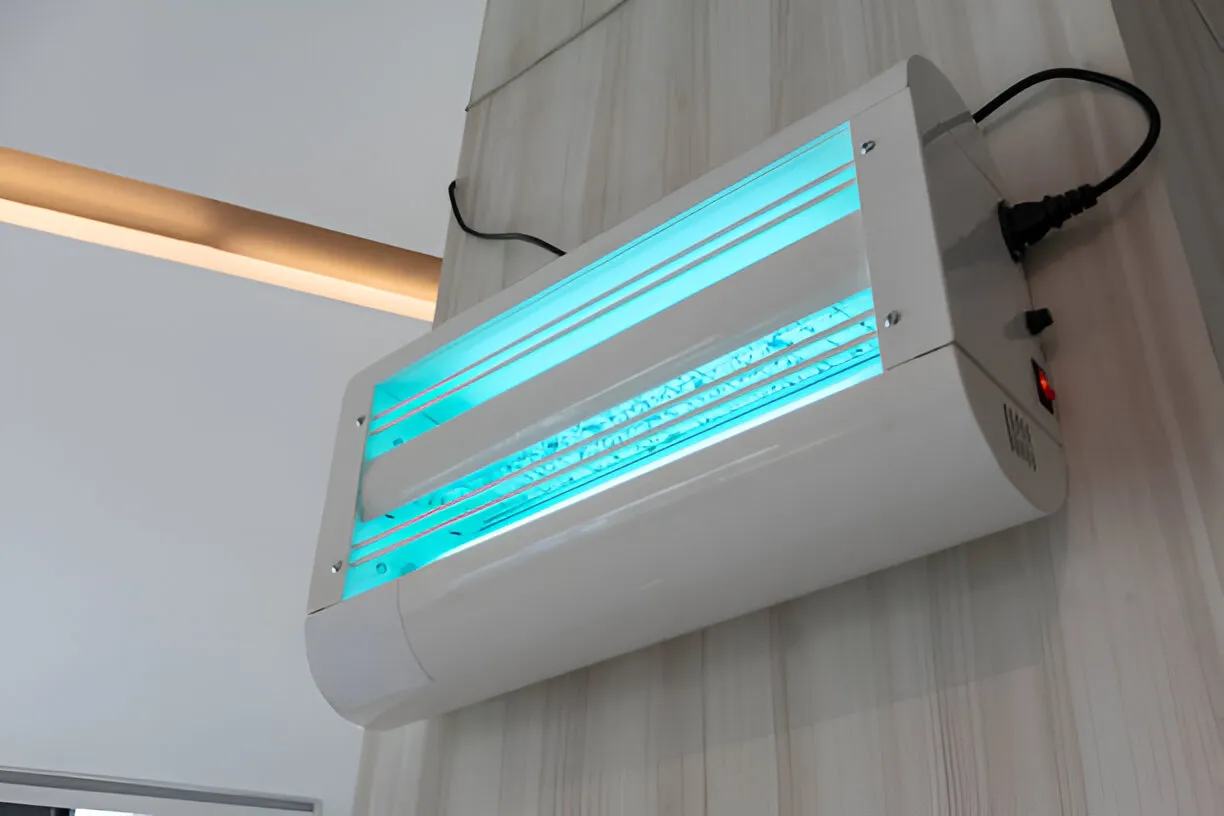
Types of Whole House Humidifiers and which one fits Blacklick homes
Understanding the three main system types helps homeowners choose the right solution for their house size, HVAC setup, and lifestyle.
- Bypass humidifiers
- Uses furnace air: a ducted bypass routes warm air across a water panel.
- Best for homes with central air handlers and adequate return/supply airflow.
- Pros: simple, energy efficient, lower upfront cost.
- Cons: performance depends on furnace runtime and may be less effective in very large homes.
- Fan-powered humidifiers
- Includes an internal fan to force air across the water panel.
- Better for homes with limited furnace runtime or larger volume heating zones.
- Pros: more consistent output than bypass, works when furnace cycles are short.
- Cons: slightly higher energy use and cost than bypass units.
- Steam humidifiers
- Electrically generates steam delivered into the duct or air handler.
- Ideal for very large homes, homes with multiple HVAC zones, or where precise humidity control is needed.
- Pros: highest output, independent of furnace operation, very responsive.
- Cons: higher installation and operating costs, requires a safe drain and electrical circuit.
Common whole house humidification issues in Blacklick, OH
Blacklick homeowners should watch for region-specific problems to ensure year-round performance.
- Low indoor humidity during cold snaps or when furnace runtimes are short
- Over-humidification in spring and summer leading to condensation, mold, and musty basements
- Mineral buildup and scale from hard water common in central Ohio
- Leaks or clogged drains causing water stains in ductwork or ceilings
- Humidistat misplacement leading to inaccurate humidity readings
How sizing and selection work
Proper sizing prevents underperformance and avoids moisture problems.
- Humidifier capacity is usually expressed in gallons per day (GPD). Typical homes (1,500–3,000 sq ft) require 8–18 GPD depending on construction tightness and winter temperature extremes.
- A qualified assessment considers home square footage, insulation levels, air changes per hour (drafts, older windows), and whether you have open floor plans or multiple HVAC zones.
- For Blacklick winters, aim for a winter indoor relative humidity of about 30–40% when outdoor temperatures drop below freezing to avoid condensation on windows while still reducing dryness-related symptoms.
- For larger or tightly sealed homes, consider fan-powered or steam units for reliable performance.
Integration with existing HVAC systems
Whole-house humidifiers usually connect directly to your central heating and air system.
- Typical integration points: supply duct, return duct, or inside the air handler cabinet depending on unit type.
- Water supply: taps into an existing cold water line with a solenoid valve controlled by the humidistat.
- Drain: requires a gravity or pumped drain connection for bypass and fan-powered units; steam units need safe condensate/drain provisions.
- Controls: a dedicated humidistat or integrated control connects to the furnace control board for synchronized operation; advanced models integrate with home automation or thermostats that support humidity control.
- Compatibility: most models work with modern furnaces and air handlers, but verification of airflow, electrical capacity, and duct layout is necessary.
Typical installation steps
Installation should be done per manufacturer instructions and local code, following a clear sequence.
- Home assessment and load calculation to determine capacity and placement.
- Select humidifier type and location (near the furnace or in a duct run).
- Install duct or cabinet connections, water line, and drain line.
- Wire the humidistat and integrate with furnace controls.
- Set initial humidity targets and run a commissioning check for leaks, airflow, and response.
- Educate homeowner on seasonal settings and simple maintenance tasks.
Controls and seasonal settings
Proper control and seasonal adjustment protect the home and keep humidity in the right range.
- Winter settings: aim for 30–40% RH when outdoor temps are near or below freezing. In milder periods you can safely increase to 40–45% but watch for condensation.
- Summer settings: humidifiers are often disabled or set very low to avoid adding moisture during high outdoor humidity months; dehumidification is handled by AC.
- Location of humidistat matters: place it in a central living area away from doors, direct sunlight, kitchens, and bathrooms to avoid false readings.
- Smart or integrated controls can factor outdoor temperature to automatically modulate output and prevent window condensation.
Maintenance and troubleshooting for Blacklick homeowners
Regular care prevents failures related to hard water and seasonal extremes.
Maintenance checklist:
- Monthly: inspect for leaks, ensure water supply is functioning, and check humidistat batteries or wiring.
- Every 3–6 months: clean or replace evaporative pads/water panels; mineral buildup shortens component life.
- Annually: perform a full system cleaning, flush lines, check solenoid valves and drainage, inspect duct seals around the humidifier.
- For steam units: descale interior chambers per manufacturer intervals; check safety float switches and electrical connections.
Common troubleshooting and fixes:
- Low humidity: check water supply, clogged panels, improperly sized unit, or humidistat placement. Fan-powered or steam units deliver better performance if furnace runtime is limited.
- Leaks: inspect fittings, drain lines, and duct connections; mineral clogging can cause overflow.
- Noisy operation: loose mounting, failing fan in fan-powered units, or mineral build-up causing vibrations.
- Excess humidity or window condensation: reduce setpoint, ensure exterior vents are functioning, and confirm basements are not contributing hidden moisture.
Benefits specific to Blacklick, OH homes
- Improved winter comfort: humid air feels warmer, letting you maintain comfort with lower thermostat settings during chilly Central Ohio winters.
- Health and comfort: reduces dry skin, nasal congestion, sore throats, and static shocks common with heated indoor air.
- Protects home assets: stabilizes wood floors, trim, furniture, and pianos that can crack or shrink in dry conditions.
- Year-round indoor air balance: avoids the swings between winter dryness and summer indoor moisture pockets that are common in the Columbus metropolitan region.
Whole-house humidification in Blacklick, OH is a practical investment for homeowners who want consistent comfort, better indoor air quality, and protection for their home through seasonal extremes. Proper system selection, correct integration with your HVAC, and routine maintenance are the keys to reliable year-round performance.
Hot Deals & Cool Savings

.webp)
New Service Agreement Membership
.webp)
Any New Client Service
Next Service for Referring a New Client
New Service Agreement Membership
Any New Client Service
Next Service for Referring a New Client
.webp)
.webp)

Service Areas
