
Whole House Air Filtration in Blacklick, OH
Explore whole-house air filtration options for Blacklick, OH homes. Learn how systems work, installation tips, and cost vs. performance—learn more.

Whole House Air Filtration in Blacklick, OH
Improving indoor air quality is a practical priority for Blacklick, OH homes where seasonal pollen, summer humidity, winter heating and everyday urban-suburban pollutants affect comfort and health. A properly designed whole house air filtration system reduces dust, pollen, pet dander, mold spores, smoke and many fine particles throughout the home by filtering air at the furnace or air handler so every room benefits.
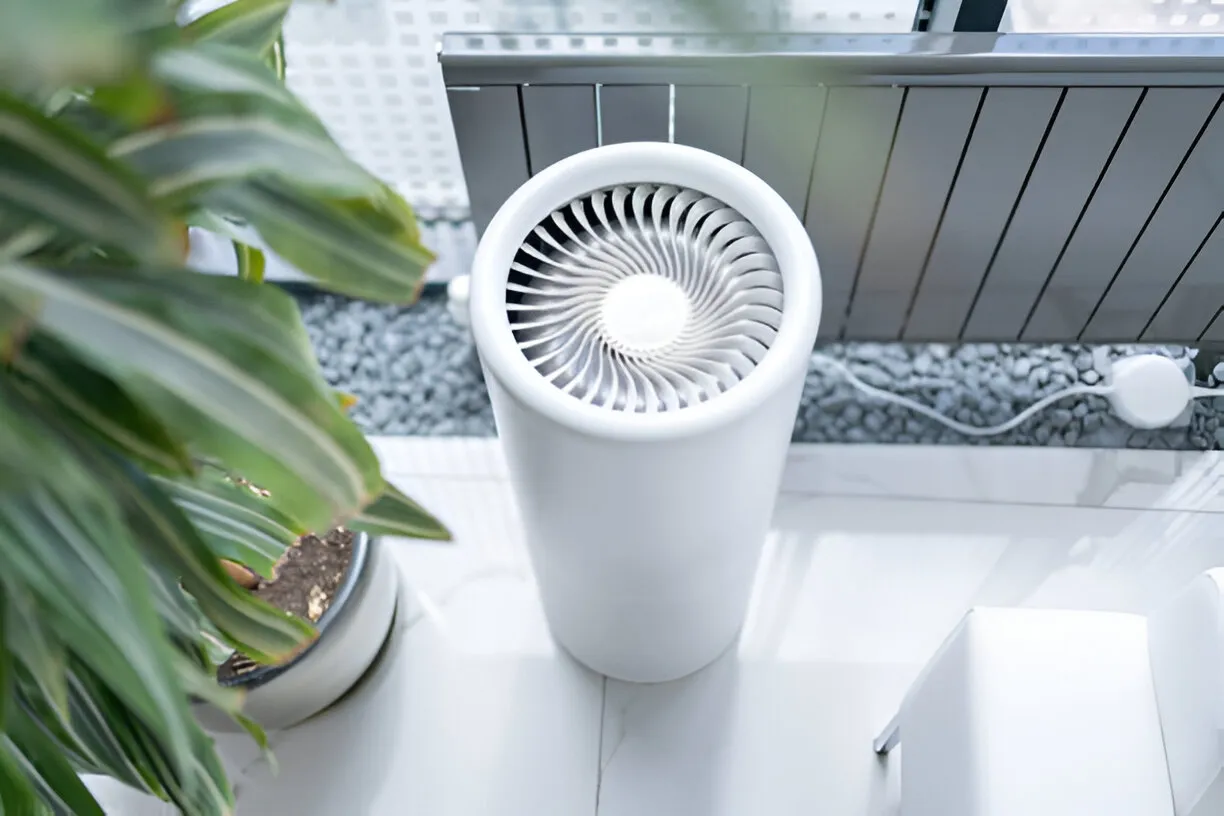
Common whole house air filtration issues in Blacklick, OH
- Heavy spring and fall pollen loads that enter through doors and windows and settle in carpets and HVAC systems.
- Summer humidity that promotes mold spores and microbial growth in ductwork or on indoor surfaces.
- Winter when homes are tightly sealed for heating, concentrating indoor emissions from cooking, cleaning products and off-gassing furniture.
- Road dust and fine particulates from local traffic that infiltrate homes.
- Pet dander and household dust that contribute to allergies and reduced system efficiency.
Whole house filtration options and how they compare
Below are the primary whole-house options homeowners consider, with typical performance and compatibility notes.
- Pleated media filters (MERV 6 to MERV 13)
- Description: Disposable pleated filters installed in the existing filter slot or a dedicated media cabinet.
- Strengths: Good tradeoff of particle capture and airflow; MERV 8 to 11 handles dust, pollen and pet dander; MERV 13 captures many fine particles including some smoke and PM2.5.
- Considerations: Higher MERV increases resistance. Confirm furnace/air handler blower can handle a higher MERV and thicker filters (1, 2, 4 inches). Replacement frequency varies by grade and household conditions.
- Extended media cabinets with deep pleated filters (4 to 12 inches)
- Description: A larger media housing installed upstream of the air handler to accept thick, high-capacity filters.
- Strengths: Lower pressure drop for higher efficiency filters, longer life (6 to 12 months), better for busy households and seasonal pollen loads.
- Considerations: Requires installation space and professional sizing to maintain airflow.
- Whole-house HEPA or HEPA-rated housings
- Description: True HEPA efficiency is very high for particles down to 0.3 microns but generates significant pressure drop. Whole-house HEPA requires a purpose-built housing and blower capacity or a bypass design.
- Strengths: Excellent particulate removal for allergy sufferers and homes with high smoke exposure.
- Considerations: Higher installation and operating costs; ensure HVAC system compatibility prior to selection.
- Electronic air cleaners (electrostatic precipitators, ESPs)
- Description: Use charged plates or fields to capture particles; some models are in-duct and reusable.
- Strengths: Effective for fine particles, low ongoing filter purchases.
- Considerations: Require regular cleaning and occasional plate maintenance; some older models can produce ozone—choose certified low-ozone designs.
- Activated carbon or mixed-bed filters
- Description: Media layers that adsorb odors and many gaseous VOCs.
- Strengths: Improves smell and reduces off-gassing impacts from cleaners, paints and cooking.
- Considerations: Typically used in combination with particle filters; media life varies based on exposure to odors.
- UV germicidal lamps (supplemental)
- Description: UV-C lights mounted near the coil to reduce microbial growth on the evaporator and in duct surfaces.
- Strengths: Helps control mold and bacterial growth; complementary to particulate filtration.
- Considerations: UV does not remove particles or VOCs and should be used as part of a broader IAQ strategy.
MERV ratings explained and choosing the right level
- MERV ranges run roughly from 1 to 16 for common residential and commercial filters. Higher MERV numbers indicate finer particle capture.
- For most Blacklick homes:
- MERV 6 to 8: Basic dust and pollen control; low airflow impact.
- MERV 8 to 11: Balanced choice for pet owners and allergy reduction.
- MERV 12 to 13: Effective for finer particles and many smoke/PM2.5 events; suitable when the HVAC system can accommodate the extra resistance.
- MERV 14+ / True HEPA: Very high capture but often requires special housings and blower sizing.
Always confirm compatibility with your furnace/air handler manufacturer or an HVAC professional before moving to a higher MERV rating.
Compatibility with HVAC systems — what to check
- Filter slot thickness: Many furnaces accept 1-inch filters; upgrading to 4-inch media requires a cabinet or different filter rack.
- Blower capacity and static pressure: Higher-efficiency filters increase static pressure; older single-speed blowers may see reduced airflow. Variable-speed blowers handle higher-resistance filters better.
- Air handler warranty: Some manufacturers specify approved filter types; installing unsupported high-MERV filters could affect warranties.
- Duct condition and sealing: Filtration is most effective when ducts are clean and well-sealed to prevent bypass and re-entry of dust.
Installation, maintenance and replacement schedules
- Basic pleated filters: Inspect monthly; replace every 1 to 3 months depending on MERV, occupancy and seasonal triggers like pollen or smoke.
- Extended media filters (4 to 12 inch): Replace or service every 6 to 12 months.
- Electronic air cleaners: Clean plates or cells every 1 to 3 months; annual professional cleaning recommended.
- Activated carbon filters: Replace on a schedule tied to odor levels—often every 3 to 6 months in odor-prone homes.
- UV lamps: Replace bulbs according to manufacturer guidelines, usually annually.
- Annual HVAC tune-up: Includes filter checks, duct inspections and verification that the blower can maintain proper airflow with the installed filtration.
Cost versus performance trade-offs
- Lower-cost pleated filters deliver good basic protection but require more frequent replacement.
- Higher-efficiency media cabinets and thicker filters have higher upfront costs but lower ongoing replacement frequency and better capture of fine particles.
- Whole-house HEPA and advanced hybrid systems provide top-tier filtration at higher installation and operating expense.
- Electronic cleaners reduce disposable filter waste but require time-intensive cleaning and potential professional service.
Choose based on household sensitivity to allergens, frequency of seasonal pollen or smoke events, and your HVAC system capacity.
Improving overall indoor air cleanliness in Blacklick homes
- Use source control: minimize indoor smoking, store solvents and chemicals outside living spaces, and choose low-VOC cleaning products.
- Manage humidity: Maintain indoor relative humidity around 40 to 50 percent to discourage mold and dust mite growth. Blacklick summers can be humid; dehumidification paired with filtration helps.
- Increase ventilation strategically: Use mechanical ventilation when outdoor air quality is good; during high outdoor pollen or smoke events rely more on filtration and sealed windows.
- Maintain HVAC and ducts: Regular cleaning and sealing of ductwork improves filtration effectiveness and system efficiency.
- Combine strategies: Filtration works best as part of a layered approach—good filters, proper ventilation, humidity control and routine maintenance.
Hot Deals & Cool Savings

.webp)
New Service Agreement Membership
.webp)
Any New Client Service
Next Service for Referring a New Client
New Service Agreement Membership
Any New Client Service
Next Service for Referring a New Client
.webp)
.webp)

Service Areas
