
Whole House Dehumidifiers in Pickerington, OH
Whole-house dehumidifiers in Pickerington, OH: discover sizing, installation steps, maintenance, and benefits for healthier, more comfortable living spaces—learn more today.

Whole House Dehumidifiers in Pickerington, OH
High humidity is a common problem in Pickerington, OH homes: warm, humid summers, seasonal thunderstorms, and basements that sit near the water table all contribute to moisture buildup. A properly sized whole house dehumidifier controls excess moisture throughout your home, prevents mold and allergy triggers, protects finishes and electronics, and helps your HVAC run more efficiently.
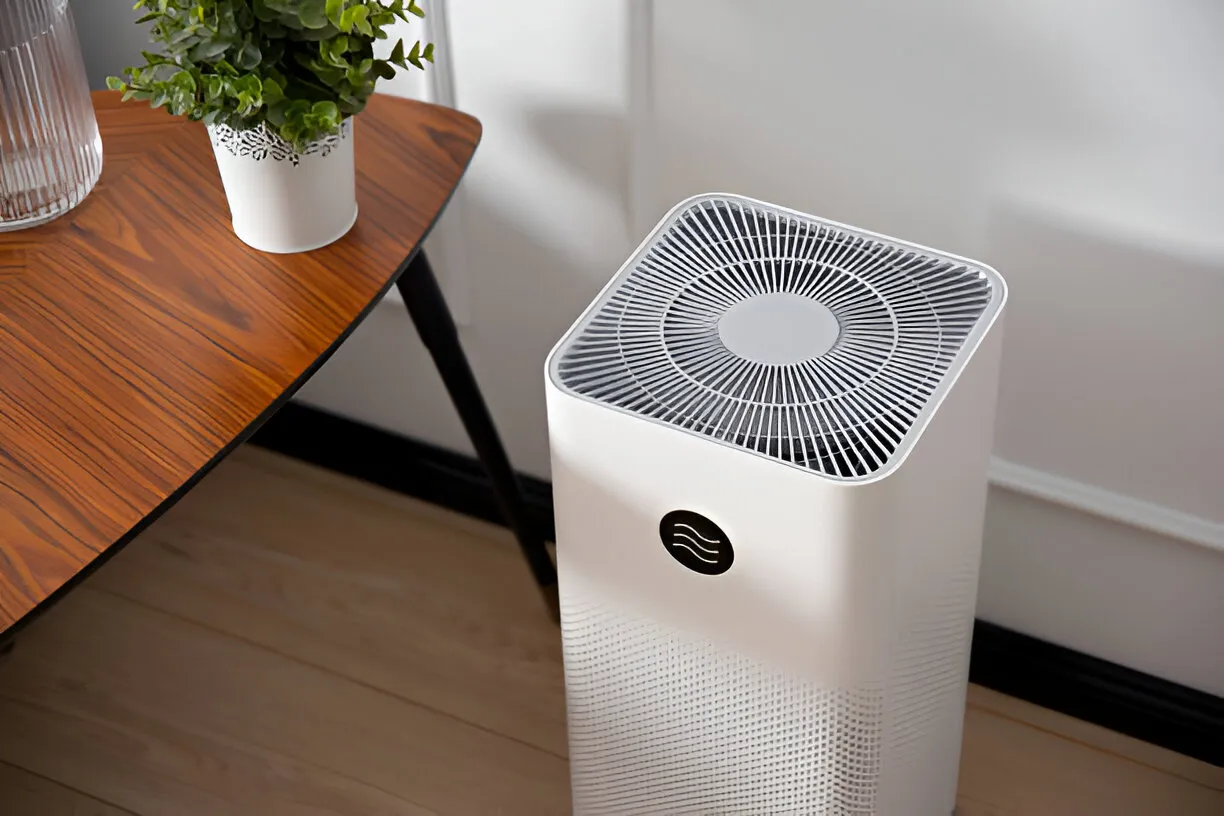
Why whole-home dehumidification matters in Pickerington, OH
- Summers in central Ohio regularly push relative humidity into uncomfortable ranges. High indoor humidity makes air feel warmer and can force your air conditioner to run longer.
- Basements in Pickerington are prone to dampness and musty odors, especially after heavy rain or spring thaw.
- Excess humidity contributes to mold growth, dust mite proliferation, and worsening of asthma and allergy symptoms common in this region.
- Controlling humidity helps protect wood floors, furniture, musical instruments, insulation, and the home envelope from long-term moisture damage.
Common whole house dehumidifier issues in Pickerington homes
- Persistent humidity above 50 percent relative humidity (RH) despite regular AC use.
- Condensation on windows, cold-water pipes, or inside exterior walls.
- Musty odors or visible mold stains in basements, closets, or crawlspaces.
- Intermittent performance after retrofit installations due to improper sizing or poor duct integration.
- Clogged or misrouted condensate drains leading to leaks or frequent pan overflows.
Whole house dehumidifier types and how they differ
- Refrigerant/compressor-based dehumidifiers: Most common for residences. They cool air to condense moisture and are very effective in typical household conditions. Best for basements and whole-home installations tied to forced-air systems.
- Desiccant dehumidifiers: Use moisture-absorbing materials and are efficient at lower temperatures. Useful for unconditioned spaces or where very low humidity is needed.
- Integrated HVAC packaged units: Some air handlers include factory-built dehumidification modules. These give compact installation and coordinated controls.Each type has trade-offs in installation complexity, seasonal performance, and energy use. A local assessment in Pickerington helps determine the right technology for your home.
Sizing: How specialists determine the right capacity
Sizing is not just square footage. A proper load assessment considers:
- Total conditioned area and basement/crawlspace area.
- Typical occupancy (people add moisture), laundry frequency, and cooking habits.
- Local climate patterns in Pickerington, including summer humidity spikes and precipitation trends.
- Current indoor RH targets (most homeowners aim for 40 to 50 percent RH).Technicians convert those factors into a required moisture removal rate. For whole-home systems this is commonly expressed in pints or liters per day. Oversizing can cause short cycling and energy waste; undersizing leaves you with ongoing moisture problems. A professional evaluation or blower-door and moisture load calculation provides an accurate recommendation.
Integration with HVAC ductwork and controls
- Return-plenum installation: The most common approach is mounting the dehumidifier in the HVAC return or near the air handler so it can treat air from the whole system.
- Dedicated ducted distribution: Some homes benefit from a dedicated supply and return run to ensure balanced airflow and humidity control across multiple zones.
- Controls and smart humidistats: Modern whole-house units integrate with HVAC thermostats or use standalone digital humidistats. Multi-sensor setups allow for consistent RH readings across floors to avoid over- or under-dehumidifying.
- Bypass and airflow considerations: Proper fan speed and bypass configurations are essential for maintaining system efficiency and avoiding pressure imbalances in your duct system.
Drainage options for Pickerington homes
- Gravity drain to existing HVAC condensate line, sump, or exterior drain when elevation and location allow.
- Condensate pump: Required when the unit is below the drain point or in finished basements. Pumps must be sized and routed to avoid frequent cycling.
- Connection to a sump pit or sanitary line: Common in basement installations; local code may affect routing and backflow prevention needs.Proper routing and a reliable trap or air gap helps prevent odors and sewer gas ingress. Seasonal freeze protection for exterior lines may be necessary in Pickerington.
Energy-efficiency and HVAC impacts
- Energy efficiency matters: Look for high-performance units and features like variable-speed fans and efficient compressors. Some systems are ENERGY STAR rated.
- Proper humidity control reduces AC runtime in humid months because the air feels more comfortable at lower moisture levels.
- Coordinated controls with your air conditioner and furnace limit unnecessary heating or cooling while managing moisture.
- Consider whole-house ventilation balance: Dehumidification reduces the need to over-cool to remove moisture, but mechanical ventilation strategies should still provide fresh air without creating excess humidity.
Installation process and what to expect
- Assessment and quote: A trained technician evaluates home layout, HVAC equipment, and moisture sources to recommend options and placement.
- Ductwork and electrical: Install usually requires a small duct connection or plenum work, a dedicated electrical circuit, and condensate routing. In most homes this is a one- to two-day job.
- Commissioning and control setup: The system is calibrated to target RH, and sensors are placed to ensure even coverage. Technicians check airflow, condensate flow, and integrate controls with your HVAC if desired.
- Minimal disruption: Installers aim to minimize interruptions; finished basements or tight mechanical spaces may require extra care.
Maintenance tips to keep performance steady
- Check and replace or clean air filters on schedule to maintain airflow.
- Inspect condensate lines and pump for clogs at least twice a year; clear any algae or debris buildup.
- Clean coils and access panels annually to sustain efficiency.
- Verify humidistat calibration and sensor location to keep RH readings accurate.
- Schedule a professional service check every 12 months to catch wear or control issues early.
Benefits for Pickerington homeowners
- Lower mold and mildew risk, protecting health and property.
- Improved indoor comfort without overcooling living spaces.
- Reduced allergy symptoms by controlling dust mites and mold spores.
- Better preservation of wood floors, cabinets, and electronics.
- Potential for improved HVAC efficiency and comfort balance across seasons.
Whole house dehumidification is a long-term investment in indoor air quality and home durability for Pickerington homeowners. With correct sizing, proper integration into your HVAC, reliable drainage, and routine maintenance, a whole-home system will deliver consistent comfort, fewer moisture-related repairs, and healthier indoor air year round.
Hot Deals & Cool Savings

.webp)
New Service Agreement Membership
.webp)
Any New Client Service
Next Service for Referring a New Client
New Service Agreement Membership
Any New Client Service
Next Service for Referring a New Client
.webp)
.webp)

Service Areas
