
IAQ Products in Pickerington, OH
Explore IAQ products in Pickerington, OH to improve air quality. Learn about filters, humidifiers, dehumidifiers, and installation options—contact us to get started.

IAQ Products in Pickerington, OH
Indoor air quality (IAQ) matters in Pickerington, OH — hot, humid summers and cold, damp winters combine with seasonal pollen and older basements to create a range of airborne concerns. Choosing the right IAQ products for your home improves comfort, reduces allergy and asthma triggers, limits mold and VOC exposure, and enhances overall indoor health.
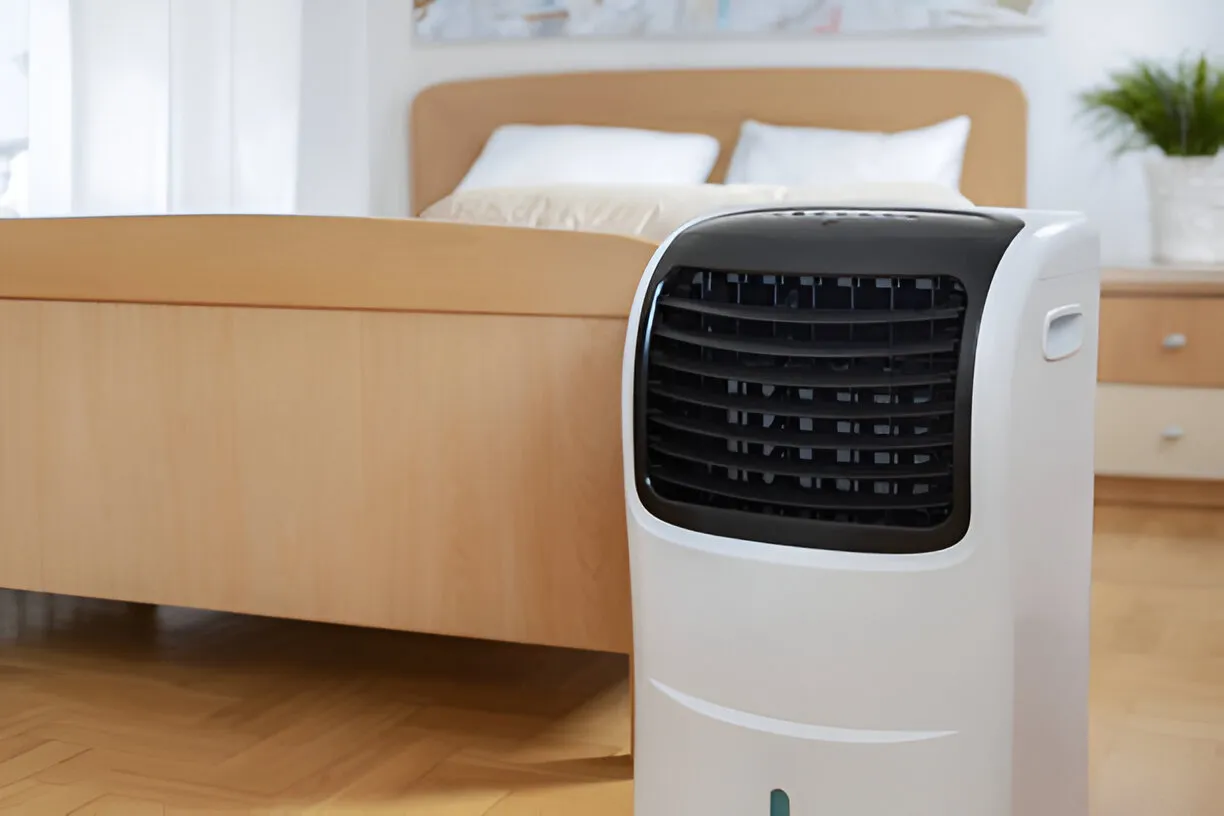
Common IAQ issues in Pickerington homes
- Seasonal pollen and outdoor allergens during spring and fall
- High indoor humidity in summer and persistent basement moisture, increasing mold risk
- Dry indoor air in winter, causing irritation and static
- Household VOCs from paints, cleaning products, and new furniture
- Pet dander, cooking smoke, and particulate pollution from nearby roads
- Poor ventilation in tight or older homes that traps pollutants
IAQ product overview and performance metrics
Below are the primary product categories with the features and metrics that matter when comparing options.
- Air purifiers (portable and whole-home)
- Primary purpose: remove airborne particles such as pollen, dust, pet dander, smoke, and some microbes.
- Key metrics: CADR (Clean Air Delivery Rate; higher is better for larger rooms), ACH (air changes per hour), and HEPA class (True HEPA captures 99.97% of particles down to 0.3 microns).
- Additional features: activated carbon layers for VOCs/odors, pre-filters for larger particles, smart sensors, and noise levels (dB).
- Filters for HVAC systems
- Primary purpose: continuous removal of particles from forced-air systems.
- Key metrics: MERV rating (common residential range MERV 8–13; MERV 13+ recommended for allergy/asthma concerns), pressure drop (impact on HVAC efficiency), and filter dimensions.
- Considerations: higher MERV improves capture but may require HVAC compatibility and periodic replacement frequency.
- Humidifiers
- Primary purpose: raise indoor relative humidity during dry winters to reduce irritation and protect woodwork.
- Key metrics: output (gallons or pints per day), recommended room coverage or whole-home compatibility, and humidistat control accuracy.
- Target humidity: generally 35–45% indoors to balance comfort and mold risk.
- Dehumidifiers
- Primary purpose: lower indoor humidity in basements and humid months to prevent mold and musty odors.
- Key metrics: pints per day (PPD) capacity, energy efficiency, continuous drain options, and coverage area.
- Target humidity: maintain 40–50% in summer months; lower in problem areas if necessary.
- UV/UV-C systems
- Primary purpose: reduce microbial growth on HVAC coils and in the airstream; supplemental for germ control.
- Key metrics: UV wavelength and intensity, lamp placement relative to airflow, and maintenance schedule (lamp life).
- Note: UV systems help surfaces and some airborne microbes but are not a standalone solution for particles or VOCs.
- VOC monitors and sensor equipment
- Primary purpose: detect and quantify volatile organic compounds and other indoor pollutants in real time.
- Key metrics: sensitivity (ppb or ppm), sensor types (PID, electrochemical), data logging, and integration with ventilation controls.
- Use: helps pinpoint sources (paint, cleaners, new furnishings) and triggers ventilation or filtration responses.
Choosing the right IAQ mix for your home and health needs
Start with a simple assessment: home size, occupant health (allergies, asthma, infants, seniors), pets, basement conditions, and whether the home uses central air or has separate rooms.
- Homes with seasonal allergies or pets
- Portable HEPA purifiers in bedrooms and living areas + MERV 11–13 filters in HVAC systems.
- Activated carbon layers if odors or VOCs are present.
- Basements or humid summers
- High-capacity dehumidifiers (appropriate PPD for the space) with continuous drain to control mold risk.
- Consider whole-house dehumidification for widespread issues.
- Dry winter climates indoors (common in Pickerington during heating season)
- Whole-home or portable humidifiers with reliable humidistats; maintain 35–45% RH.
- New construction or recent renovations
- VOC/air quality sensors to monitor off-gassing; portable purifiers with carbon filtration during high-VOC periods; smart ventilation strategies.
- Homes concerned about germs and illness transmission
- HEPA filtration combined with increased ACH and targeted UV-C on HVAC coils; portable HEPA units in high-traffic rooms.
Installation and integration
- Sizing and placement
- Purifiers and dehumidifiers must be sized to room area or cubic feet per minute (CFM) targets; CADR and ACH guide proper sizing.
- MERV and filter upgrades require HVAC compatibility checks to avoid undue pressure on the system.
- Ducted vs. portable solutions
- Whole-home systems integrate with existing HVAC and provide continuous protection; portable units are flexible and useful for targeted control.
- Combining both is common: whole-home filtration for baseline control, portable units for bedrooms or problem rooms.
- Electrical and plumbing considerations
- Humidifiers and dehumidifiers may need dedicated drains or electrical circuits. Professional installation ensures proper condensate management and safe electrical connections.
- Sensor placement and automation
- VOC and humidity sensors perform best when installed away from direct drafts, windows, or immediate pollutant sources; integration with ventilation systems enables automated responses.
Maintenance expectations
Routine care preserves performance and efficiency:
- HEPA and activated carbon filters: inspect regularly; typical replacement 6–12 months depending on use and environment.
- HVAC filters (MERV-rated): replace every 3–6 months or per manufacturer recommendations.
- UV lamps: replace annually or per rated lamp life; clean adjacent surfaces to maintain intensity.
- Humidifiers: seasonal cleaning to prevent mineral buildup and microbial growth; use distilled water where recommended.
- Dehumidifiers: empty or verify condensate drain, clean coils and filters seasonally.
- Sensors: periodic calibration or replacement per manufacturer guidance to ensure accurate readings.
Certifications, standards, and brand options
Look for verified performance and safety marks:
- AHAM (CADR verification) for portable purifiers
- HEPA standard (True HEPA 99.97% at 0.3 microns)
- MERV ratings for HVAC filters
- UL listing for electrical safety
- ENERGY STAR for energy-efficient devices
- CARB-compliant ozone emissions for air cleaners where applicable
Brands commonly found across these categories include established HVAC manufacturers for whole-home systems and well-known purifier and sensor makers for portable units. Compare product specifications (CADR, MERV, PPD, sensor sensitivity) rather than marketing claims to match the right unit to your home.
Benefits for Pickerington homes and quick maintenance tips
Properly selected IAQ products reduce allergy and asthma symptoms, lower mold and mildew risk in basements, protect wood finishes and electronics from extreme humidity swings, and can improve perceived comfort without overworking your HVAC system. For Pickerington residents, focus on filtration for seasonal pollen, dehumidification for summer and basements, and humidification during the heating season.
Quick maintenance reminders:
- Check filters monthly; change as needed.
- Keep humidity between 40–50% when possible.
- Run ventilating fans during activities that generate pollutants (cooking, painting).
- Use sensors to target problems rather than running equipment continuously at high settings.
Selecting the right mix of filters, purifiers, humidification/dehumidification, UV, and sensors tailored to your home size and health needs delivers measurable improvements in comfort and indoor air quality for Pickerington households.
Hot Deals & Cool Savings

.webp)
New Service Agreement Membership
.webp)
Any New Client Service
Next Service for Referring a New Client
New Service Agreement Membership
Any New Client Service
Next Service for Referring a New Client
.webp)
.webp)

Service Areas
