
Whole House Dehumidifiers in Minerva Park, OH
Discover how a whole-house dehumidifier works, sizing, installation, maintenance, and expected performance for Minerva Park, OH homes in local climate.

Whole House Dehumidifiers in Minerva Park, OH
Controlling excess moisture is one of the most impactful home improvements for comfort, indoor air quality, and preventing mold or structural damage. For Minerva Park, OH homes — where humid summers, seasonal storms, and aging basements are common — a whole house dehumidifier offers consistent humidity control across living spaces, basements, and crawlspaces without the noise and labor of portable units.
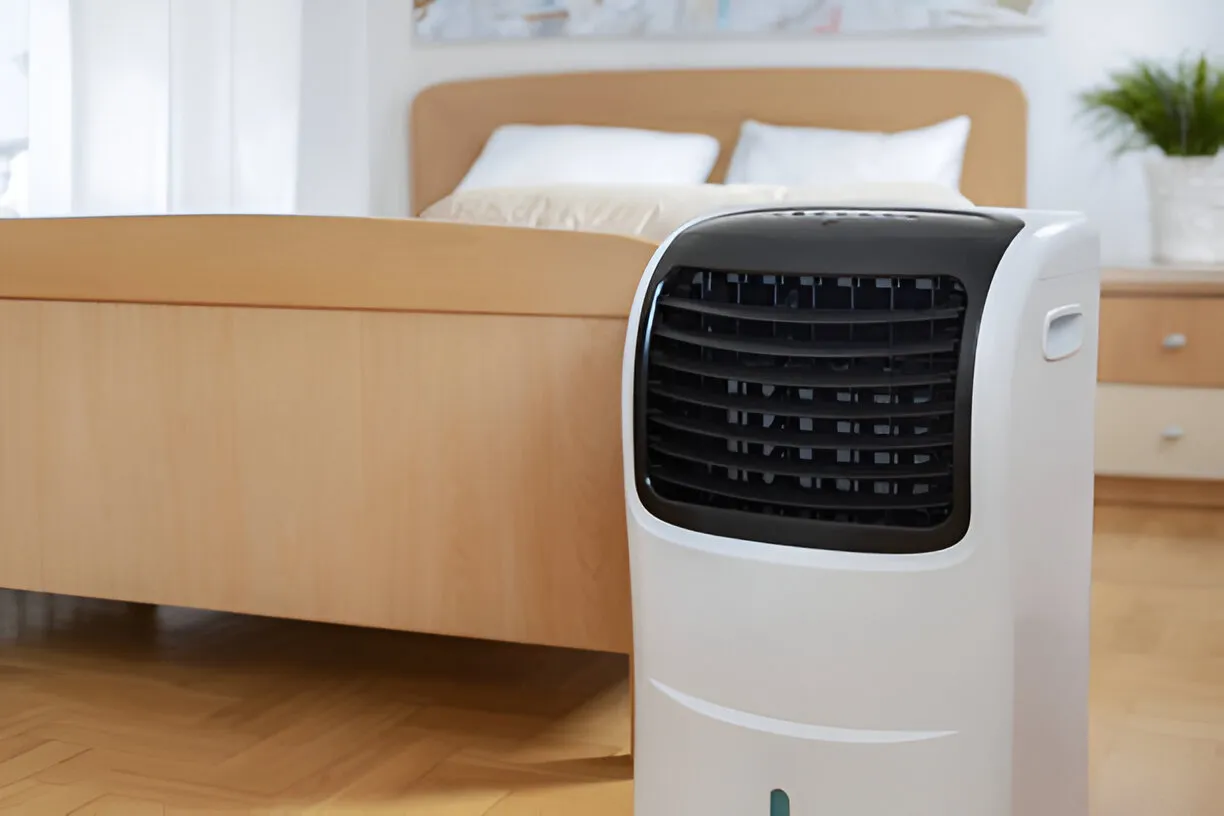
Why choose a whole house dehumidifier for Minerva Park homes
Minerva Park is subject to humid summers and occasional heavy precipitation, which raises indoor relative humidity and increases the risk of mold, musty odors, condensation on windows, and moisture-related damage. A whole house dehumidifier:
- Maintains a consistent relative humidity (recommended 45% or lower for basements, 40-50% for living spaces)
- Reduces mold and dust mite proliferation
- Improves HVAC efficiency by reducing latent load on air conditioners
- Prevents paint peeling, wood warping, and musty odors in basements and finished living areas
Common whole house dehumidifier issues in Minerva Park, OH
Understanding typical problems helps choose the right system and avoid surprises.
- Under-sized units that cannot keep up during peak summer humidity
- Improper placement causing uneven humidity in basements or upper floors
- Inadequate drainage leading to backups or condensation issues
- Poor integration with existing HVAC resulting in reduced efficiency
- Neglected filters and coils causing performance decline
Types of whole-home dehumidification systems
- Ducted air-handler dehumidifiers: Installed inline with the HVAC ductwork to treat the entire home evenly.
- Standalone whole-house units: Mounted in a mechanical room or basement and connected to the duct system, often used where space or HVAC design prevents a direct integration.
- Energy recovery models: Combine dehumidification with energy-saving features for colder months to avoid over-drying and preserve efficiency.
Sizing and placement — what matters
Correct sizing is the single most important factor for effective whole-home dehumidification.
- Load assessment: A professional will assess square footage, insulation, window area, occupancy, appliance moisture sources, and typical basement conditions to determine required pints per day capacity.
- Target humidity: Decide target RH based on living space and basement needs; finished basements generally need tighter control.
- Placement considerations: The unit should be located in a conditioned mechanical space with easy access for service. For homes with high basement moisture, placing the unit near the basement air return or in the basement itself improves performance.
- Ductwork and airflow: Proper return and supply connections are essential to circulate dehumidified air evenly. Short, direct duct runs and correctly sized plenums reduce pressure losses.
Installation and drainage options
Professional installation ensures proper performance and prevents moisture or water damage.
- Drainage choices:
- Gravity drain to a floor drain or sump pit (preferred when elevation allows)
- Condensate pump to discharge to a nearby sink, plumbing stub, or sump pump system when gravity drain is not possible
- Hard plumbing to a sanitary line where codes permit
- Electrical: Dedicated circuiting is commonly required and must meet local code.
- Integration: Options include connecting to the HVAC system controls for coordinated operation or installing a standalone controller with a digital humidistat.
- Code and permit considerations: Installations in Minerva Park should follow local plumbing and electrical codes; professional installers typically handle necessary permits.
Energy efficiency and control features
Modern whole-house dehumidifiers are designed to be energy efficient and user-friendly.
- Energy usage: Look for units with high removal efficiency and variable-speed compressors or ECM fans to reduce runtime and electricity use.
- Controls: Digital humidistats with programmable setpoints, remote monitoring, or integration with smart thermostats provide precise control and alerts for maintenance needs.
- Auto-defrost: Important for seasonal performance when unit sees lower ambient temperatures in basements.
- Night and economy modes: Some models reduce fan speed and runtime during low-demand periods.
Maintenance, filter and coil care
Routine maintenance keeps suction levels stable and prevents performance loss.
- Filters: Clean or replace the washable or disposable intake filter every 1 to 3 months, depending on dust levels.
- Coils: Inspect and gently clean coils annually to prevent buildup that reduces heat exchange. If the unit has a washable coil pan, empty and clean to avoid biological growth.
- Drain line and pump: Inspect condensate lines and pumps quarterly; flush lines to avoid clogs and check for leaks.
- Professional tune-ups: An annual service checks refrigerant levels, electrical connections, and airflow—this preserves capacity and efficiency.
- Troubleshooting signs: Rising indoor humidity, unusual noises, or water around the unit indicate a need for service.
Typical results for basements and humid Ohio climates
When sized and installed correctly, whole-house dehumidifiers deliver measurable improvements:
- Basements: Moisture levels drop to recommended RH, resulting in fewer musty odors, reduced mold risk, and improved comfort for finished spaces.
- Living spaces: Reduced perceived humidity makes air conditioners more effective; occupants often notice fewer allergy symptoms and less condensation on windows.
- Energy implications: While the unit adds modest electrical use, overall HVAC energy can fall because the air conditioner removes less latent heat.
- Structural benefits: Lower humidity protects wood floors, framing, and stored belongings from moisture damage.
Service plans and local support options
For long-term reliability in the Minerva Park area, consider service plans that include:
- Regular preventive maintenance visits (filter checks, coil cleaning, drain inspection)
- Priority scheduling for repairs and seasonal tune-ups
- Parts coverage for common wear items like pumps and filters
- System performance checks to confirm target humidity is being met throughout the home
Local installers are familiar with central Ohio climate patterns and common home construction in Minerva Park, which helps with accurate load calculations, appropriate placement for basements and crawlspaces, and compliant drainage routing. Ask for documentation of work performed and written specifications for capacity, expected humidity levels, and maintenance intervals so you know what to expect long term.
Hot Deals & Cool Savings

.webp)
New Service Agreement Membership
.webp)
Any New Client Service
Next Service for Referring a New Client
New Service Agreement Membership
Any New Client Service
Next Service for Referring a New Client
.webp)
.webp)

Service Areas
