
Whole House Air Purifiers in Minerva Park, OH
Discover how whole-house air purifiers can improve Minerva Park, OH indoor air quality. Learn more and schedule installation or a professional evaluation today.

Whole House Air Purifiers in Minerva Park, OH
Keeping indoor air clean in Minerva Park homes matters year-round. Seasonal tree pollen, humid Ohio summers that encourage mold growth, winter heating that stirs dust, and common household VOCs (cleaners, paints, new furnishings) make whole-house air purification an effective long-term investment for comfort and health.
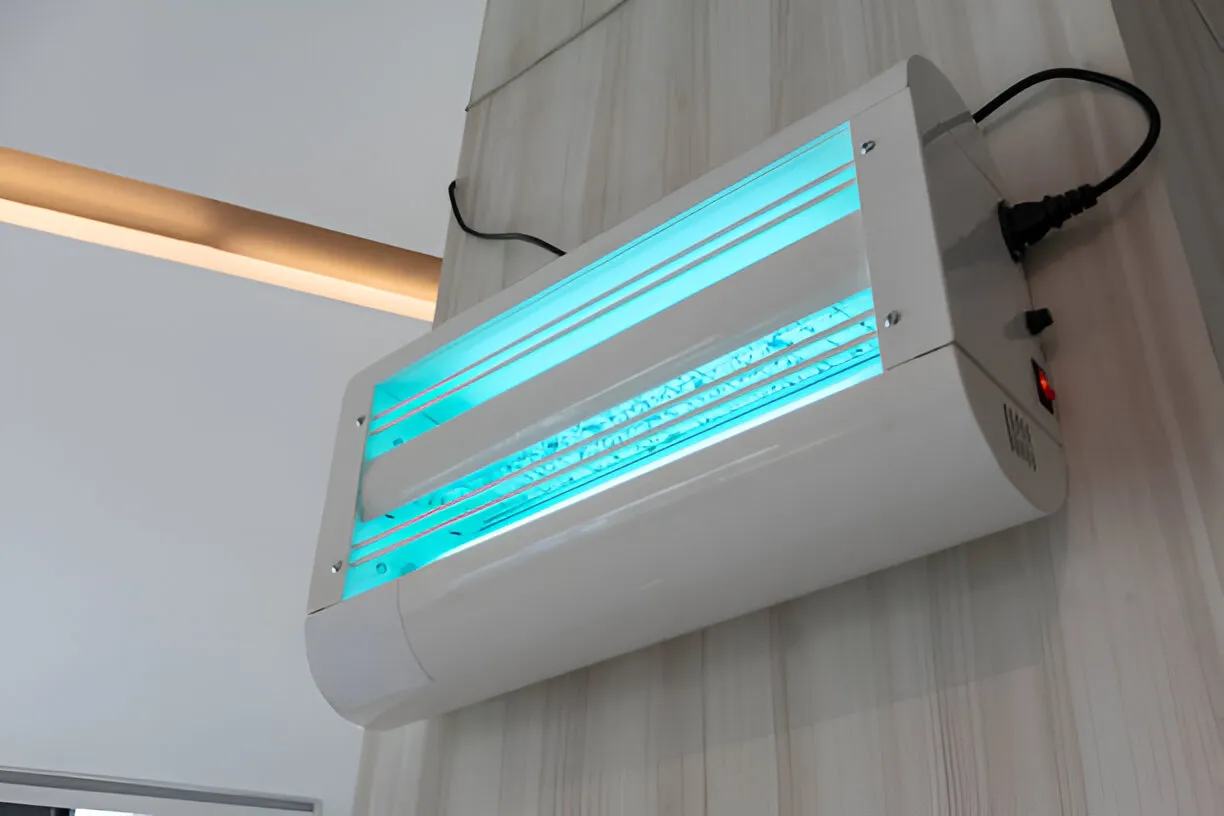
Why choose whole-house air purification in Minerva Park, OH
Whole-house systems treat air centrally through your forced-air HVAC system, so every room benefits without noisy portable machines. For Minerva Park residents dealing with spring and fall pollen, basement humidity and mold risk, pet dander, or odors from nearby roads and neighborhood activities, a properly sized whole-house purifier:
- Reduces airborne allergens and irritants throughout the home
- Lowers dust buildup on surfaces and HVAC components
- Helps control odors and volatile organic compounds (VOCs)
- Limits microbial growth on coils and duct surfaces when UV is included
Common indoor air quality problems in local homes
- Seasonal pollen infiltration during spring and fall
- Increased indoor humidity in summer and basement areas that supports mold spores
- Winter dust and fine particles from furnace operation and closed windows
- Pet dander and household dust mites in family homes
- Cooking and cleaning VOCs trapped indoorsUnderstanding which of these affect your home guides the choice of HEPA, activated carbon, UV, or electronic technologies — or a combination.
Whole-house air purifier types and what they do
- HEPA (True HEPA): Captures 99.97% of particles down to 0.3 microns. Best for pollen, dust, pet dander and many fine particles that trigger allergies and asthma.
- Activated carbon: Adsorbs odors, smoke, and many VOCs. Useful for kitchens, attached garages, and odor control after fall leaf burning or neighborhood outdoor activities.
- UV germicidal lights: Installed near the HVAC coil or inside the duct to inactivate bacteria, viruses and mold on surfaces. UV improves microbial control but does not filter particulates.
- Electronic precipitators/ionizers: Remove fine particles by charging and collecting them. Effective for ultrafine particulates but choose low-ozone certified models; some older designs produce ozone which can irritate sensitive lungs.Most high-performance systems combine HEPA (or high-efficiency in-duct filters), activated carbon staging, and optional UV to address particulates, chemicals and microbes simultaneously.
How whole-house systems integrate with your HVAC
Whole-house purifiers are typically installed in the return duct, air handler cabinet, or plenum so the HVAC blower circulates treated air to every room. Integration considerations:
- Location: Return plenum or air handler provides the most consistent airflow through filters and UV.
- Airflow and static pressure: High-efficiency filters add resistance — your HVAC blower must handle the increased static pressure. If not, options include using staged filtration, upgrading the blower, or installing a dedicated in-duct purifier with its own fan.
- Controls: Many systems work with existing thermostat controls or have independent switches/timers to run purification cycles when needed.
- Duct condition: Clean, leak-free ducts improve performance; installers often inspect and recommend repairs or sealing if needed.
Sizing and performance criteria (how to choose the right system)
Performance is driven by the purifier’s ability to process the home’s air volume. Use this simple calculation to estimate required airflow:
- Home volume = square footage × ceiling height
- Required CFM = (Home volume × Desired ACH) / 60Example: For a 2,000 sq ft home with 8 ft ceilings (16,000 cu ft) and a target of 3 air changes per hour (ACH), required CFM = (16,000 × 3) / 60 = 800 CFM.Recommended targets:
- Typical homes: 1–3 ACH depending on baseline air quality
- Allergy or asthma sensitivity: 3–6 ACH for faster clearing of particlesOther sizing factors:
- HVAC blower capacity and available static pressure
- Filter efficiency (MERV rating or HEPA)
- Combined use of UV or carbon for specific pollutantsA qualified assessment will compare system CFM to HVAC capacity and recommend the optimal approach.
Installation process and timeline
- Onsite assessment: Measure home volume, inspect ductwork, evaluate HVAC blower and static pressure, and identify pollutant sources.
- System selection: Choose HEPA, carbon, UV or combined approach based on the assessment and health goals.
- Installation steps: mount filter housings or in-duct units, wire UV lamps, seal penetrations, and integrate controls. Duct sealing or minor modifications may be performed.
- Commissioning: Test airflow, check static pressure, and verify control functions.Most installations are completed in one day for standard single-family homes; more complex ductwork or whole-house upgrades may take longer.
Maintenance and filter replacement schedule
Routine maintenance keeps performance high and helps protect HVAC equipment:
- Prefilters (MERV 8–11): Inspect every 1–3 months; replace or clean as needed to preserve airflow.
- True HEPA modules: Replace typically every 12–24 months depending on load and prefiltration.
- Activated carbon cartridges: Replace every 6–12 months based on odor and VOC levels.
- UV lamps: Replace annually to 18 months; efficacy decreases over time even if the lamp still lights.
- Electronic cells: Clean every 3–6 months and perform periodic professional servicing.
- Annual system check: Verify airflow, check seals, and test controls and UV intensity.Following a regular schedule ensures sustained air quality and prevents excessive strain on the HVAC system.
Typical results and expected benefits
After upgrading to a properly designed whole-house purification system in a Minerva Park home, homeowners commonly observe:
- Noticeably reduced pollen and pet allergen symptoms during peak seasons
- Less dust accumulation on furniture and fewer visible particulates
- Reduced cooking and household odors
- Lower microbial growth on air handler coils with UV installed
- Improved indoor comfort and confidence in air safety for sensitive occupantsMany homes see substantial improvements within days as airborne particles are captured and odors decline; continual operation keeps indoor air consistently cleaner.
Choosing the right solution for your home
Selecting the right whole-house air purifier depends on your home’s size, existing HVAC capacity, primary pollutants of concern (allergens, odors, microbes), and sensitivity levels among occupants. A professional assessment that measures airflow, inspects ducts, and reviews lifestyle factors in Minerva Park will determine whether a HEPA-focused approach, carbon staging, UV supplementation, or a combined system is the best fit.
Whole-house air purification tailored to Minerva Park’s seasonal pollen, humidity-driven mold risk, and household pollutant sources delivers a centralized, low-noise way to protect indoor air quality, reduce allergy triggers, and extend the life of HVAC equipment when properly sized and maintained.
Hot Deals & Cool Savings

.webp)
New Service Agreement Membership
.webp)
Any New Client Service
Next Service for Referring a New Client
New Service Agreement Membership
Any New Client Service
Next Service for Referring a New Client
.webp)
.webp)

Service Areas
