
Whole House Dehumidifiers in Grandview, OH
Whole-House dehumidifier installation in Grandview, OH helps control humidity, prevent mold, and protect your home. Learn more about systems, costs, and setup options.

Whole House Dehumidifiers in Grandview, OH
Maintaining the right indoor humidity is essential for comfort, health, and protecting your home. In Grandview, OH, humid summers, frequent seasonal precipitation, and older homes with basements or crawlspaces make moisture control a common challenge. A whole house dehumidifier removes excess moisture throughout your HVAC-served living space, preventing mold growth, damp odors, condensation, and premature wear on finishes and furnishings.
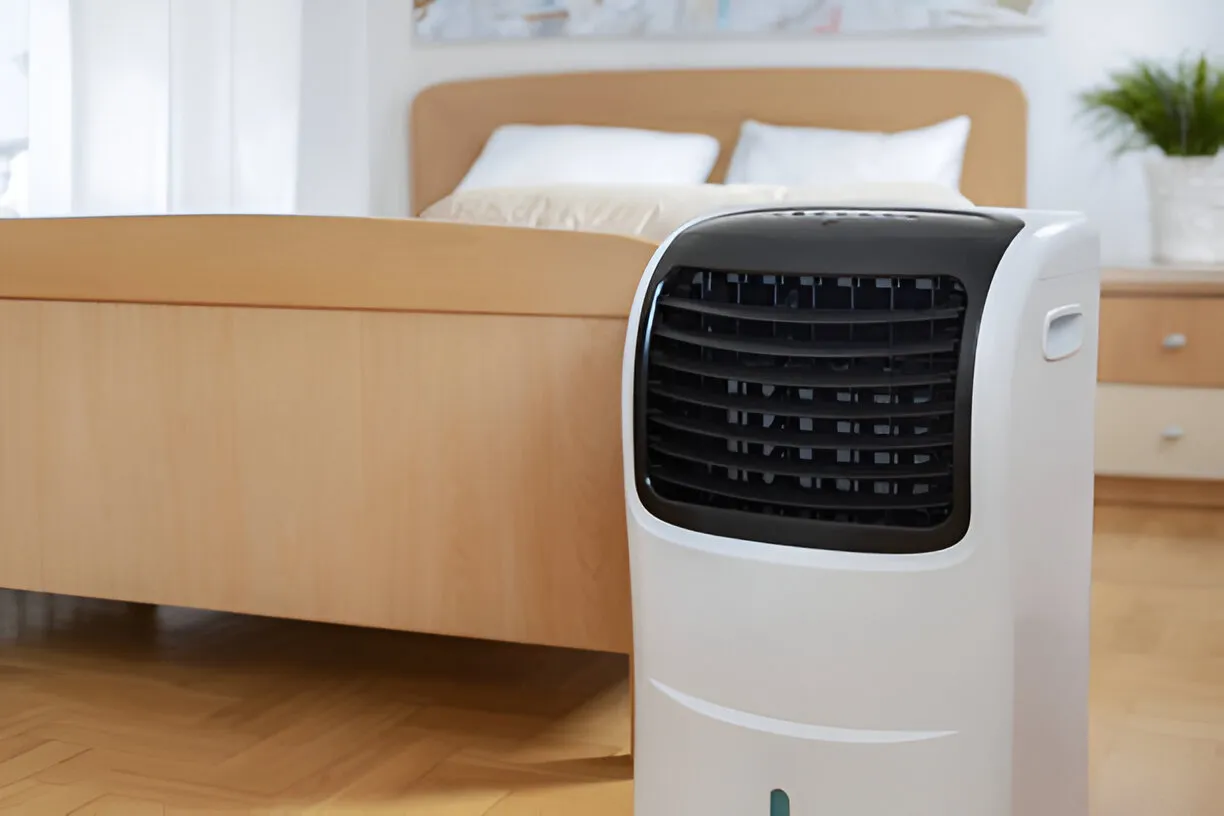
Common moisture, mold and odor problems in Grandview, OH homes
- Basements and lower levels with persistent dampness and musty odors, especially after spring rains.
- Condensation on windows and cold-water pipes during shoulder seasons and winter when indoor-outdoor temperature differences are large.
- Mold and mildew in closets, bathrooms, and behind cabinetry following humid summer months or poor ventilation.
- Elevated indoor relative humidity during hot, humid summer days, making air conditioning work harder and indoor spaces feel muggy.
- Crawlspace moisture that affects floor joists, insulation, and indoor air quality.
Types of whole-house dehumidifiers and capacity options
Whole-house systems vary by dehumidification method, capacity, and installation approach. Common types include:
- Ducted refrigerant dehumidifiers: The most common for homes with forced-air HVAC. Installed inline with HVAC ductwork or in the return plenum, they remove moisture using a cold coil and condensate drainage.
- Desiccant dehumidifiers: Use a moisture-absorbing material and are effective at lower indoor temperatures or very high humidity loads. Less common for standard residential applications but useful in certain basements or garages.
- Packaged HVAC-integrated units: Some furnace or air-handler manufacturers offer factory-installed dehumidification modules designed to integrate seamlessly with the existing system.
Capacity is usually rated in pints per day (ppd) at a standard test condition. Typical residential whole-house capacities range from 30 to 100+ pints per day. Capacity selection depends on:
- Square footage and ceiling height of conditioned space
- Baseline indoor humidity and typical Grandview summer humidity
- Number of occupants and moisture-generating activities (showers, laundry, cooking)
- Presence of crawlspaces, basements, or attached garages that increase load
Sizing guidance for Grandview homes
A proper load calculation is essential. As a rule of thumb:
- Smaller apartments and tight 1,000 to 1,200 sq ft homes commonly need 30 to 50 ppd systems.
- Typical 2,000 to 3,000 sq ft homes often fall into the 50 to 80 ppd range.
- Large homes, multiple moisture sources, or damp basements may require 80+ ppd or multiple units.
Local climate matters. Grandview sees high summer humidity levels that increase moisture load, so erring on the side of slightly larger capacity than a dry-climate calculation is prudent.
Integration with existing HVAC and drainage requirements
Whole-house dehumidifiers are usually tied into the forced-air HVAC system for even distribution and efficient operation. Key integration considerations:
- Placement: Common locations include the HVAC return plenum, basement mechanical room, or adjacent to the air handler to use existing ductwork.
- Ducting: Units can be ducted into supply and return or utilize bypass configurations. Proper airflow and static pressure checks ensure the HVAC system continues to operate efficiently.
- Electrical: Dedicated 120V or 240V circuits may be required depending on unit size. Controls often interface with the furnace or thermostat.
- Drainage: Condensate must be routed to an appropriate drain point. Options include gravity drain to a floor drain or utility sink, condensate pump to lift water to a nearby drain, or a connection to the home drain system per local code. Verify local plumbing requirements in Grandview or Franklin County, as routing to sewer lines or outdoor discharge may be regulated.
- Controls: Dehumidifiers use humidistats or interface with smart thermostats for coordinated humidity and temperature control to avoid over-dehumidifying or causing comfort conflicts.
Humidity setpoints and monitoring
For comfort and mold prevention, aim for indoor relative humidity between 40 and 50 percent year-round. In Grandview:
- Summer setpoint: 45 to 50 percent to reduce stickiness without overloading the system.
- Winter caution: Keep above 30 to 35 percent to prevent excessive dryness and wood shrinkage. Cold outdoor temperatures increase the risk of condensation on windows if humidity is too high.
- Use whole-house humidity sensors in central locations and consider additional sensors in basements or finished lower levels where moisture concentrates.
- Smart monitoring systems provide trends, alerts for abnormal humidity spikes, and seasonal setpoint schedules that adapt to outdoor conditions.
Installation steps and what to expect
A reliable installation follows a clear process:
- Assessment and load calculation: Evaluate home size, layout, moisture sources, and HVAC capacity.
- Select system type and capacity: Match unit to calculated load and integration strategy.
- Prepare location: Ensure adequate space, electrical connection, and access for ductwork and drainage.
- Install unit and integrate ducting: Make airtight duct connections, check airflow, and place the unit for serviceability.
- Install condensate drain or pump: Route condensate per code and test for leaks.
- Connect controls and electrical: Integrate humidistat or thermostat control and verify compatibility with HVAC.
- Commissioning and testing: Verify dehumidifier operation across expected temperature and humidity ranges, and balance airflow if necessary.
- User briefing: Explain settings, maintenance tasks, and monitoring.
Energy and cost considerations
Whole-house dehumidifiers consume electricity but can improve overall HVAC efficiency by reducing latent load that air conditioners must remove. Points to consider:
- Energy factor and efficiency ratings vary by model; higher efficiency units cost more upfront but reduce operating costs.
- Integrating dehumidification with an oversized or undersized HVAC system can cause inefficiencies, so coordinated system sizing is critical.
- Properly controlled dehumidification often results in occupant comfort at higher thermostat setpoints, which can lower cooling energy use.
- Long-term savings include reduced risk of mold remediation, lower HVAC wear, and preserved building materials.
Maintenance recommendations for long-term performance
Routine maintenance keeps performance high and operating costs low:
- Clean or replace any intake filters every 3 months or per manufacturer guidance.
- Inspect coils and drains seasonally for debris or microbial growth and clean as needed.
- Check condensate drain lines and pumps for clogs; test pump operation if present.
- Verify humidistat accuracy and recalibrate or replace sensors showing drift.
- Schedule an annual service check to evaluate refrigerant charge (for refrigerant units), airflow, and electrical connections.
- In winter, follow manufacturer guidance to prevent coil freeze in low-load conditions or consider freeze protection configurations.
Why whole-house dehumidification is a good fit for Grandview homes
Whole-house dehumidifiers directly address the common moisture challenges found in Grandview, OH homes: humid summers, wet basements, and the potential for indoor mold and odor. Properly sized and integrated systems protect building materials, improve indoor air quality, reduce musty smells, and create more consistent comfort. With correct installation, setpoints, and routine maintenance, whole-house dehumidification delivers durable, low-intrusion moisture control tailored to local climate and home construction.
Hot Deals & Cool Savings

.webp)
New Service Agreement Membership
.webp)
Any New Client Service
Next Service for Referring a New Client
New Service Agreement Membership
Any New Client Service
Next Service for Referring a New Client
.webp)
.webp)

Service Areas
