
IAQ Products in Grandview, OH
IAQ products for Grandview, OH: explore purifiers, humidifiers, and filters to improve air quality. Learn more about installation options.

IAQ Products in Grandview, OH
Indoor air quality (IAQ) matters for health, comfort, and home performance—especially in Grandview, OH, where humid summers, cold dry winters, and seasonal pollen create specific indoor challenges.
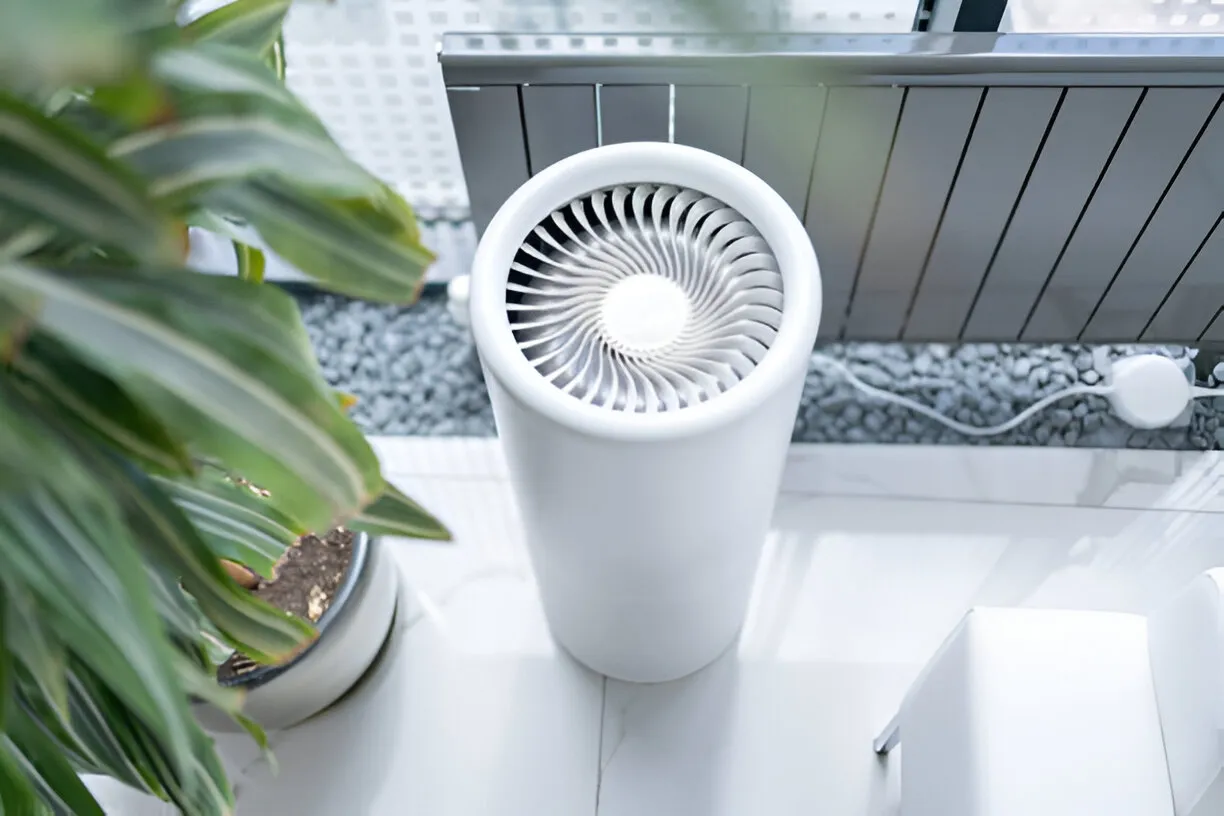
Common IAQ issues in Grandview, OH
- Seasonal pollen and tree/grass allergens in spring and early summer that aggravate allergy sufferers
- High indoor humidity in summer leading to mold and dust mite growth, especially in basements and older homes
- Low absolute humidity in winter causing dry skin, exacerbating respiratory irritation, and increasing static
- Indoor odors and VOCs from cleaning products, paints, and vehicle/urban emissions
- Occasional wood smoke or regional smoke events that increase fine particulate levels
- Older ductwork and HVAC systems that reduce filtration efficiency and spread contaminants
IAQ product types and what they do
- Portable HEPA air purifiers
- Capture particles down to 0.3 microns with HEPA filters (true HEPA captures ~99.97% of 0.3 µm particles)
- Best for targeted rooms (bedroom, living room) and immediate relief for allergy sufferers
- Look at CADR (Clean Air Delivery Rate) and ACH (air changes per hour) to size units correctly
- Whole-home in-duct filtration (MERV-rated filters)
- MERV ratings indicate particle capture efficiency: MERV 8 (basic), MERV 11-13 (good for allergens), MERV 14-16 (near-HEPA, higher restriction)
- In-duct filtration treats the entire home through the HVAC system—ideal for homeowners who want integrated, low-visibility solutions
- Note: Extremely high MERV filters can reduce airflow on older HVAC systems unless the blower is upgraded
- UV-C / UVGI systems
- Use ultraviolet light to reduce microbial growth on coils and in moving air streams; effective for bacteria, mold spores, and some viruses when correctly sized and placed
- Best used as part of a system with filtration rather than a standalone solution
- Activated carbon and specialty filters
- Target odors and VOCs that particle filters do not remove
- Often combined with HEPA in portable units or as add-on media in whole-home systems
- Humidifiers (whole-home or portable)
- Add moisture in winter to maintain indoor relative humidity in the recommended 40-50% range, reducing dry air symptoms and protecting wood finishes
- Require regular cleaning to prevent microbial growth
- Dehumidifiers (portable or whole-home)
- Reduce excess humidity in basements, crawlspaces, and entire houses during hot, humid months to prevent mold and dust mite proliferation
How to choose the right IAQ product for your Grandview home
- Define your primary concern: allergies, odors/VOCs, smoke, mold, or general particle reduction
- Allergies/smoke: prioritize HEPA-level filtration and higher ACH (aim for 4+ ACH in bedrooms)
- Odors/VOCs: include activated carbon or specialty VOC media
- Mold/humidity control: pair filtration with a dehumidifier for summer and a humidifier for winter as needed
- Size and coverage
- For portable purifiers, match CADR to room square footage (units with higher CADR and recommended coverage for 250–500+ sq ft are common for living spaces)
- For whole-house systems, measure conditioned square footage and confirm HVAC capacity; in-duct filters sized at MERV 11–13 balance filtration and airflow for most homes
- System compatibility and HVAC impact
- Verify that higher-MERV filters will not overstrain older blower motors; consider an electronic air cleaner or a dedicated HEPA bypass system if HVAC upgrade is impractical
- Energy, noise, and maintenance considerations
- Expect trade-offs: higher airflow and filtration can increase energy use and noise—compare fan speeds and CADR rather than relying on size alone
- Review filter replacement frequency and operational costs when selecting products
Installation and maintenance services
- Typical process
- Home IAQ assessment: identify pollutant types, humidity issues, and airflow characteristics
- Product recommendation and sizing: select portable or whole-home solution(s) matched to house layout and concerns
- Professional installation: in-duct filters, UVGI systems, and whole-home humidifiers/dehumidifiers require correct placement, ductwork integration, and electrical work
- Commissioning and testing: verify airflow, ACH, and, where applicable, microbial reduction with baseline and follow-up measurements
- Maintenance schedules (general guidance)
- HEPA filters: inspect every 3 months; replace typically every 6–12 months depending on use and pollution load
- Activated carbon filters: replace every 3–6 months for high-odor environments
- MERV in-duct filters: check each HVAC season and replace every 1–3 months for MERV 8–11; MERV 13+ may require more frequent checks
- UV-C lamps: replace annually or according to manufacturer recommendations
- Humidifier pads/filters: clean and replace seasonally; anti-microbial maintenance recommended
- Dehumidifiers: drain and clean regularly; coils and condensate systems require periodic inspection
- Benefits of professional maintenance
- Ensures optimal performance, prolongs equipment life, and helps maintain HVAC efficiency while avoiding common DIY pitfalls like improper filter seating or wrong filter thickness
Performance expectations
- Particle reduction benchmarks
- Properly sized HEPA systems can reduce airborne particles by 95%+ in treated rooms over several air changes
- Whole-home MERV 13 filters typically remove a significant portion of allergen-sized particles when paired with adequate airflow; expect measurable PM2.5 reductions when systems are correctly balanced
- Humidity control
- Dehumidifiers can maintain basement relative humidity below 60% to inhibit mold; whole-house humidifiers help maintain winter humidity around 40–50% to balance comfort and mold risk
- Response time
- Portable units improve air quality in a room within hours depending on ACH; whole-home improvements occur over multiple HVAC cycles
- Realistic outcomes
- IAQ products reduce exposure and symptoms but are most effective when combined with source control (ventilation, low-VOC products, regular cleaning)
Warranty and financing options
- Typical warranty structures
- Manufacturer warranties commonly range from 1 to 5 years for parts and limited labor coverage; UV lamps and filters are consumables and often excluded from parts warranty
- Extended warranty or service agreements can cover labor and scheduled maintenance—review terms for coverage of electronics and moving parts
- Financing
- Financing options for larger installations (whole-home units, combined humidifier/dehumidifier systems, or UVGI integration) are commonly available through third-party lenders or in-house plans; these spread cost over monthly payments and sometimes include promotional terms
- Review scope of coverage, any required down payment, and what is included in maintenance agreements before committing
Practical tips for Grandview homeowners
- Test indoor air quality before and after upgrades for measurable results—look at PM2.5, relative humidity, and VOCs as primary metrics
- For allergy relief, run portable HEPA purifiers in bedrooms overnight and use in-duct filtration for whole-house reduction
- Basements in Grandview are common spots for high humidity—consider a dedicated dehumidifier designed for basement volumes
- Keep humidifiers between 40–50% RH in winter to avoid condensation and mold growth on windows and cold surfaces
Choosing the right IAQ products in Grandview, OH means matching technology to specific household concerns, sizing equipment properly, and committing to regular maintenance. With the right combination—HEPA or MERV filtration, targeted carbon media, UVGI where microbial control is needed, and humidity management—you can expect meaningful reductions in particles, fewer allergy triggers, and a more comfortable home environment year-round.
Hot Deals & Cool Savings

.webp)
New Service Agreement Membership
.webp)
Any New Client Service
Next Service for Referring a New Client
New Service Agreement Membership
Any New Client Service
Next Service for Referring a New Client
.webp)
.webp)

Service Areas
