
Whole House Dehumidifiers in Bexley, OH
Learn how whole-house dehumidifiers in Bexley, Ohio protect homes from humidity, reduce mold risk, and improve comfort with expert installation and guidance.

Whole House Dehumidifiers in Bexley, OH
Keeping humidity under control in Bexley homes is essential for comfort, health, and the longevity of building materials. Whole house dehumidifiers provide a centralized, energy-efficient way to manage moisture for basements, crawl spaces, and the living space as a whole.
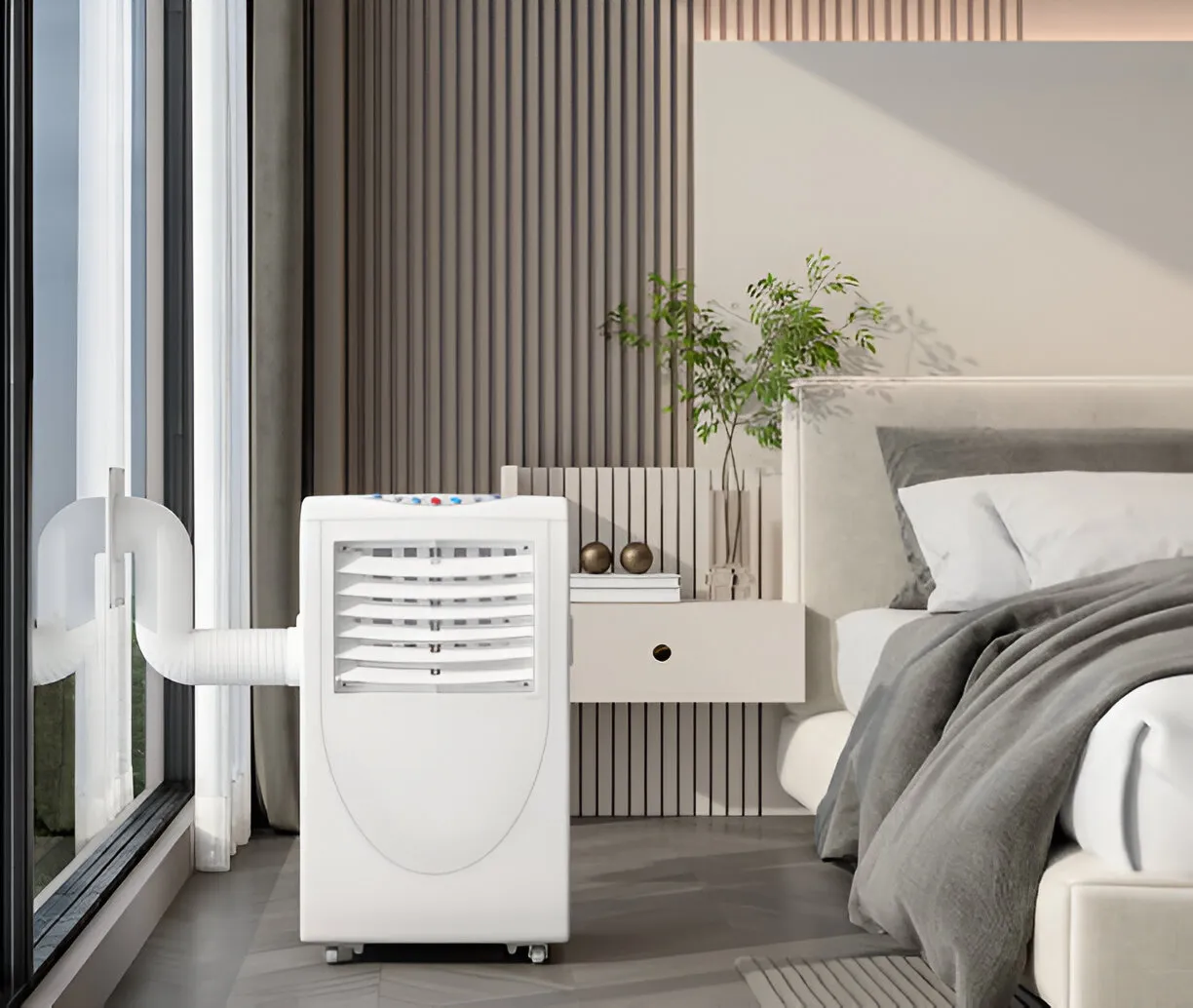
Why whole house dehumidification matters in Bexley, OH
Bexley experiences humid summers and frequent indoor moisture sources year round. Older homes with basements, masonry construction, or limited ventilation are especially prone to elevated relative humidity, which leads to mold, musty odors, wood rot, paint failures, and higher allergen levels. A properly sized whole house dehumidifier stabilizes indoor relative humidity (RH), reduces condensation on windows and HVAC components, helps preserve wood floors and furnishings, and improves perceived comfort without overcooling your home.
Types of whole house dehumidifiers
- Integrated (HVAC-tied) units: Installed directly into the home’s ductwork or inside the air handler closet, these use the central HVAC blower to distribute dry air and are typically controlled by the home’s thermostat or a dedicated humidistat. Best for seamless whole-home control and energy efficiency.
- Standalone whole-home units: Self-contained units placed in a mechanical room or basement with their own supply and return duct connections. They operate independently of the furnace or air handler and are often easier to retrofit into older houses.
- Desiccant vs refrigerant systems: Refrigerant (compressor) dehumidifiers are most common and efficient in typical Bexley conditions. Desiccant systems perform better at lower temperatures but are less common for standard residential installs and may use more energy.
Sizing guidance: square footage and moisture load
Correct sizing is critical. Too small and humidity remains high; too large and the system short-cycles, increasing wear and reducing dehumidification efficiency. Sizing depends on home volume, airtightness, occupancy, and specific moisture sources (basement water intrusion, showers, drying clothes indoors).
General capacity examples (approximate moisture removal capacity in pints per day under typical summer conditions):
- Small homes and tight 1,000 to 1,500 sq ft homes: 30 to 50 pints/day
- Medium homes 1,500 to 3,000 sq ft: 50 to 90 pints/day
- Large homes and high-moisture properties over 3,000 sq ft or with damp basements: 90+ pints/day
For Bexley homes with damp basements, plan for higher moisture loads. A professional moisture load calculation considers hours of occupancy, number of bathrooms, laundry usage, basement finish level, and local indoor/outdoor temperature and humidity patterns to recommend the correct pints/day capacity and ducting approach.
Humidity setpoints and energy efficiency
Recommended indoor targets:
- Summer (warm and humid): 45% RH is a practical target to prevent mold while avoiding over-dry air.
- Winter (cold outdoors): Lower RH may be required to avoid window condensation; 30 to 40% RH is typical depending on outdoor temperatures.
Energy considerations:
- Whole-house units are usually more efficient than multiple portable units because they control humidity centrally and avoid redundant equipment in each room.
- Look for variable-speed compressors and integrated controls that adjust output to match moisture load rather than cycling full on/off.
- Integrating the dehumidifier with your HVAC system or using a unit with smart humidistats reduces runtime and can improve overall home comfort without increasing energy use dramatically.
Installation and ducting options
- Return-air connection: A common approach is to draw dryer air from the return plenum, dehumidify it, and deliver it back into the supply ductwork. This keeps the unit out of living space and uses existing airflows.
- Dedicated supply and return ducts: Best for targeted whole-home performance and minimal impact on HVAC airflow. Useful in homes where the air handler is in a location that makes integration difficult.
- Bypass or parallel operation: Some installs run the dehumidifier in parallel with the HVAC so dehumidification can continue even when the central system is not running.Placement and access:
- Units are typically located in basements, mechanical rooms, or attic spaces with sufficient clearance for service.
- Noise, accessibility for filter changes, and proximity to a drain or condensate pump should guide placement decisions.
Condensate management and freeze protection
Dehumidifiers remove water that must be drained:
- Gravity drain to floor sink or drain: Preferred where a floor drain is available in the same conditioned space (common in many Bexley basements).
- Condensate pump: Required when the unit is below the nearest drain level or when routing to a remote plumbing tie-in. Choose a reliable pump with a check valve and consider a secondary pump or alarm in high-risk areas.
- Plumbing tie-in: When tying into household plumbing, follow local codes and provide an air gap as required.
- Freeze protection: If drains or lines route through unconditioned, freeze-prone spaces, insulate lines or locate the unit and pump in heated space. Some dehumidifiers include low-temperature protection modes to prevent coil freeze.
Maintenance and service expectations
Regular maintenance keeps performance high and protects the investment:
- Filter cleaning or replacement: Every 3 to 6 months depending on dust levels.
- Coil and cabinet cleaning: Annually to maintain airflow and efficiency.
- Condensate line and pump check: Monthly visual inspections; service pump yearly.
- Control calibration and refrigerant check: Annual service to verify humidistat accuracy and proper refrigerant charge.
- Accessibility: Leave 18 to 24 inches of clearance for service access when possible.
Expected outcomes for Bexley homes
With a properly sized and installed whole house dehumidifier you can expect:
- Stable indoor RH near the setpoint (often 40 to 50% in summer), reducing mold and mildew risk.
- Less musty odor and fewer allergy triggers as dust mite and mold growth decline.
- Reduced condensation on windows, pipes, and HVAC coils, protecting finishes and mechanical systems.
- Improved perceived comfort that may allow slightly higher thermostat setpoints without feeling clammy, potentially reducing cooling runtime.
- Better preservation of wood floors, trim, and stored belongings in basements and finished areas.
Whole house dehumidification is a long-term investment in indoor air quality and home preservation, especially relevant in Bexley where summer humidity and basement moisture can be persistent problems. For accurate results, pair sizing guidance with a professional load assessment and choose installation and condensate solutions that fit your home’s layout and local climate realities.
Hot Deals & Cool Savings

.webp)
New Service Agreement Membership
.webp)
Any New Client Service
Next Service for Referring a New Client
New Service Agreement Membership
Any New Client Service
Next Service for Referring a New Client
.webp)
.webp)

Service Areas
