
Whole House Air Filtration in Bexley, OH
Improve indoor air quality in Bexley, OH with whole-house filtration, explore filter options, MERV ratings, installation tips, and schedule an installation today.

Whole House Air Filtration in Bexley, OH
Clean indoor air is one of the most effective ways to protect family health and preserve home comfort. Whole house air filtration in Bexley, OH removes allergens, dust, pet dander, pollen and fine particulates before they circulate through your living spaces. For homeowners deciding between filter types, MERV ratings, and installation options, understanding how each choice affects air quality, HVAC performance, and maintenance will help you choose the right system for your home and local conditions.
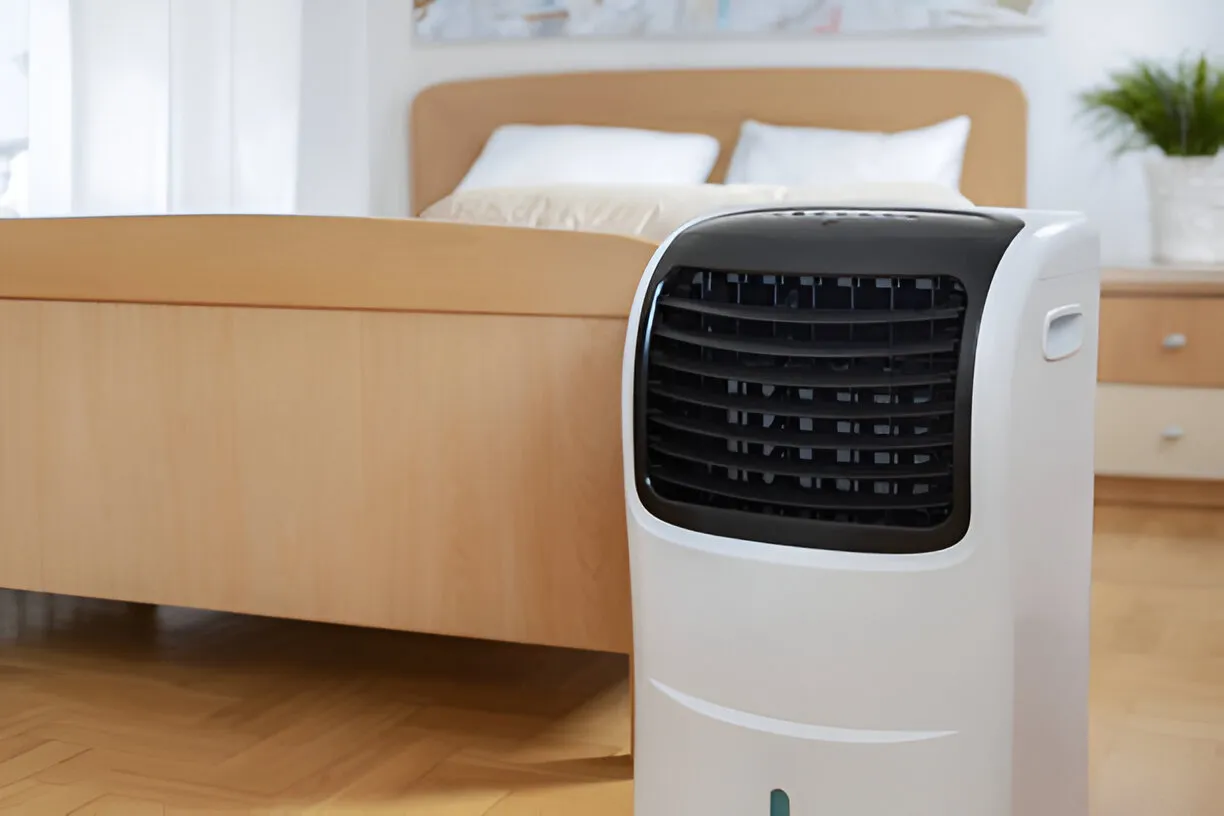
Why whole house filtration matters in Bexley, OH
Bexley shares Columbus area air patterns: humid summers that encourage mold and mildew spores, spring and early summer pollen peaks, and colder months when homes run heating systems that can stir up dust and combustion particulates. These seasonal patterns make a whole house filtration strategy valuable year-round:
- Spring and summer: tree and grass pollen loads rise, aggravating seasonal allergies.
- Warm, humid months: indoor mold spores and dust mite activity can increase.
- Winter: tighter homes and extended heating can concentrate indoor particulates and VOCs.A properly sized and installed whole house filter reduces exposure to these contaminants across the entire HVAC-supplied area of your home.
Common whole house air filtration issues in Bexley homes
- Excessive dust and frequent dusting despite regular vacuuming and cleaning.
- Persistent allergy or asthma symptoms that worsen with season changes.
- Reduced HVAC airflow or uneven heating and cooling after upgrading to a high-efficiency filter.
- Shorter filter life in homes with pets, smokers, or recent renovations that produce construction dust.
- Higher energy use or freezing coils when high-MERV filters are used on older systems without appropriate airflow capacity.
Filter types and MERV ratings explained
Understanding filter options and MERV ratings helps match performance to need.
- Fiberglass/basic disposable filters: low MERV (1-4). Cheap, protect HVAC equipment but trap few airborne allergens.
- Pleated filters: common residential option, MERV 5-11. Good balance of filtration, cost, and airflow.
- High-efficiency pleated (MERV 11-13): capture fine particles like pollen, pet dander and some smoke; suitable for homes with allergy sufferers if HVAC blower can handle the pressure drop.
- Media filters (thicker, deep-pleat central filters): higher capture efficiency with lower pressure drop per rating than thin pleated filters; available in MERV 8-16.
- True whole-house HEPA systems: provide HEPA-level filtration but typically require dedicated housings and a compatible blower or bypass design; not the same as a high-MERV pleated filter.
MERV definitions (brief): higher MERV captures smaller particles. For typical home health needs in Bexley:
- MERV 8-11 for allergy reduction and good airflow balance.
- MERV 11-13 for more aggressive particulate control (pets, pollen, smoke) if the system supports it.
- MERV 13+ or HEPA where medical-grade filtration is required and the system is engineered for it.
Installation: where filters go and how they affect performance
Whole house filters are installed at the central return, in a filter cabinet on the return plenum, or as a dedicated whole-house unit. Proper installation details matter:
- Correct size and fit: filters must seal to prevent bypass around the media. Poor seals negate performance gains.
- Filter location: placing filtration upstream of the evaporator coil helps keep coil and ductwork cleaner.
- System compatibility: higher efficiency filters increase resistance to airflow (pressure drop). Verify the furnace/air handler and blower can maintain adequate airflow without overheating or reduced capacity.
- Static pressure check: a professional can measure static pressure before and after installation to confirm the system remains within safe limits.
- Alternate installations: media filter cabinets or external housings reduce pressure drop and allow use of higher MERV media without losing airflow.
Performance impacts on allergens and particulates
- Pollen: MERV 11-13 filters capture most pollen particles, significantly reducing in-home exposure during spring peaks.
- Dust and pet dander: pleated and media filters effectively lower dust levels and reduce visible dusting on surfaces.
- Mold spores: filtration reduces airborne spores, but source control and humidity management are also essential.
- Fine particulates and smoke: higher-MERV filters and true HEPA systems do better with PM2.5; during regional smoke events, increased filtration plus reduced outdoor air intake improves indoor safety.
Filter replacement intervals and maintenance
Replacement intervals vary by filter type, household conditions, and seasonal factors:
- Standard pleated filters (MERV 8-11): check monthly; typical replacement every 2-3 months.
- High-efficiency pleated or media filters (MERV 11-16): check monthly early on; common replacement 6-12 months for media filters, 3-6 months for dense pleated filters depending on load.
- Homes with pets, smokers, or ongoing renovations: expect shorter intervals and monthly inspection.
- Visual and performance cues: visibly dirty media, increased allergen symptoms, or reduced airflow indicate replacement is needed sooner.
Regular maintenance also includes sealing filter doors, inspecting ductwork for leaks, and cleaning the return grille to prevent premature loading.
Airflow, system efficiency, and tradeoffs
Upgrading filtration improves indoor air quality but requires informed choices to avoid unintended consequences:
- Increased pressure drop from higher-MERV filters can reduce airflow, strain older blowers, raise energy use, or cause coil freeze in cooling season.
- Media filters and dedicated housings minimize pressure issues and are often the best option for higher efficiency without sacrificing airflow.
- Variable-speed blowers handle higher filtration better than single-speed motors; newer systems are more compatible with higher MERV ratings.
- Balancing act: choose the highest effective filtration your system can support, or consider mechanical upgrades (blower, filter cabinet, or return size) before moving to ultra-high efficiency.
Choosing the right whole house filtration for your Bexley home
Assess these factors when selecting a filtration solution:
- Household health needs: allergies, asthma, infants, or immune-compromised residents call for higher efficiency.
- Home characteristics: pets, active renovations, or smoking require more frequent filtration or higher MERV.
- HVAC system age and capabilities: older single-speed systems often perform best with MERV 8-11 or a media cabinet solution; newer systems can typically support MERV 11-13.
- Maintenance willingness: higher-efficiency filters may last longer in media cabinets but still require periodic inspection and replacement.
- Seasonal adjustments: use higher filtration during pollen season and periods of poor outdoor air quality; revert to balanced filtration when lower resistance is needed.
Long-term benefits and maintenance advice
Consistent whole house filtration reduces allergy triggers, lowers dust levels, and helps protect HVAC components from particulate buildup. To maximize benefits in Bexley homes:
- Inspect filters monthly during peak seasons.
- Replace filters on a schedule suited to your filter type and household conditions.
- Monitor HVAC airflow and energy use after any major filtration upgrade.
- Combine filtration with humidity control and source elimination for mold and allergen management.
Choosing the right whole house air filtration system in Bexley, OH depends on matching filtration efficiency to household health needs and HVAC capability. Thoughtful selection, correct installation, and routine maintenance deliver cleaner air, more comfortable indoor living, and a better-performing HVAC system.
Hot Deals & Cool Savings

.webp)
New Service Agreement Membership
.webp)
Any New Client Service
Next Service for Referring a New Client
New Service Agreement Membership
Any New Client Service
Next Service for Referring a New Client
.webp)
.webp)

Service Areas
