
Whole House Air Purifiers in Hebron, OH
Discover whole-house air purifiers in Hebron, OH with installation and filtration to improve indoor air quality and comfort.

Whole House Air Purifiers in Hebron, OH
Keeping indoor air clean year-round is especially important in Hebron, OH, where spring pollen, humid summers that encourage mold, and occasional wood smoke or road dust from rural surroundings can worsen allergies and respiratory problems. Whole house air purifiers address these seasonal and everyday contaminants by treating the air at the HVAC return or in-duct, delivering cleaner air to every room without relying on portable units.
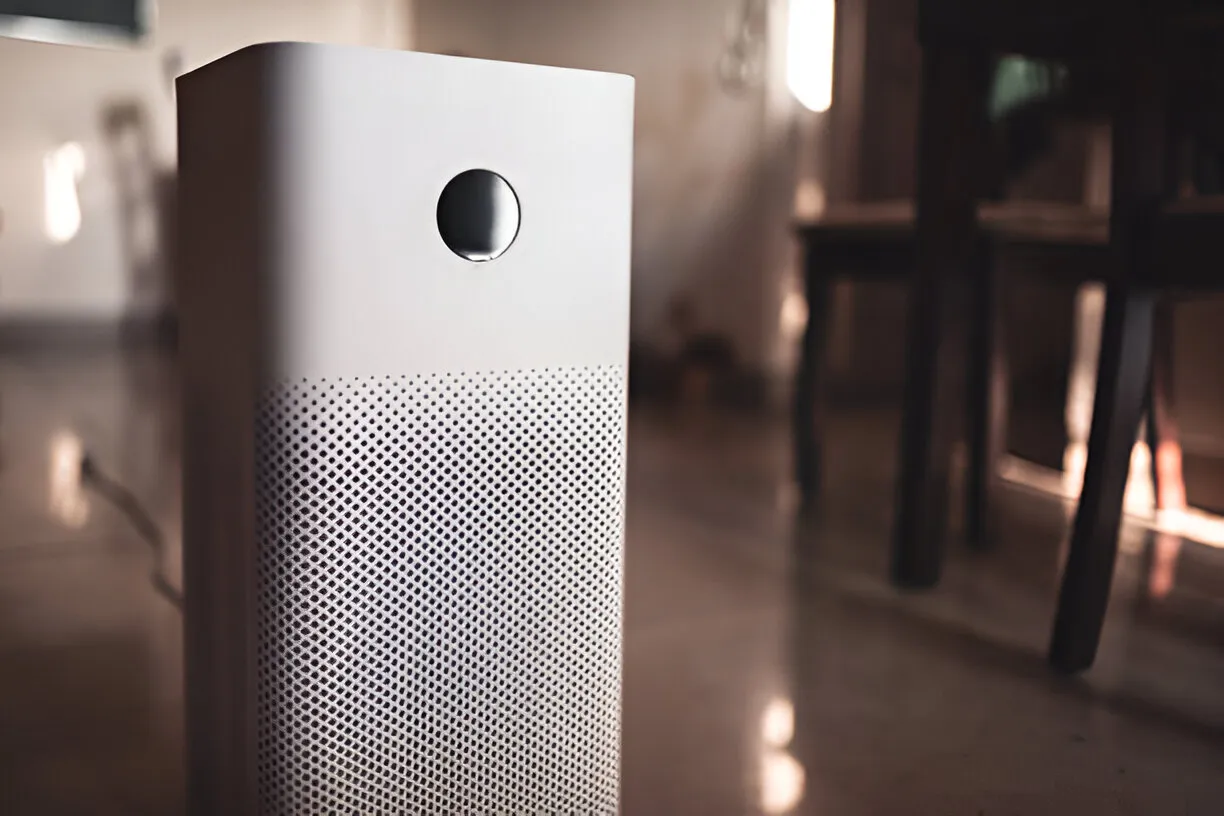
Why whole house air purifiers matter in Hebron, OH
- Spring and early summer pollen loads are high in Licking County, increasing indoor allergen levels when windows open.
- Warm, humid summers can lead to elevated indoor mold spores and musty odors.
- Rural and semi-rural properties may experience more dust, agricultural particulates, and intermittent smoke from nearby burning or wood stoves.A properly sized whole-house system reduces airborne particles and contaminants continuously, improving indoor air quality for occupants with allergies, asthma, or chemical sensitivities.
Types of whole-house air purifiers (what each does)
- HEPA filtration (true HEPA in-duct or bypass systems): Captures 99.97% of particles at 0.3 microns, including pollen, pet dander, and many fine particulates (PM2.5). Because true HEPA can create significant airflow resistance, it’s usually installed with a dedicated bypass fan or as a whole-house unit designed to work with your HVAC.
- High-MERV filters (MERV 8–13+): Moderate to high particle capture with lower pressure drop than HEPA. Good compromise for standard furnaces and air handlers. MERV 13 is effective for many allergy triggers while often still compatible with residential blowers.
- UV germicidal lights: Installed in the return or near the coil to inactivate many bacteria, mold spores, and some viruses on surfaces and in air passing by the lamp. UV reduces biological growth on the coil and drain pan as well.
- Electronic air cleaners / electrostatic precipitators: Charge particles and collect them on plates. These can achieve high particle removal for fine dust and smoke, but require regular cleaning and some models produce low levels of ozone—choose certified low-ozone designs.
- Activated carbon / catalytic media: Targets odors and volatile organic compounds (VOCs) from cleaning products, paint, or off-gassing building materials. Often paired with a particle filter for comprehensive coverage.
How whole house purifiers integrate with HVAC systems
- Most installations locate the purifier at the return plenum or inside the air handler so every pass through the system treats the whole home.
- Options include in-duct media filters, retrofit HEPA bypass cabinets with a dedicated fan, UV lamp assemblies near the evaporator coil, or combined systems that stack particle, carbon, and UV treatment.
- Proper integration considers blower capacity, static pressure, and duct sealing. Homes in Hebron with older furnaces or undersized blowers often need a balanced approach (higher MERV rather than straight HEPA) or a dedicated bypass fan to maintain airflow.
Expected contaminant removal performance
- HEPA: Removes up to 99.97% of particles 0.3 microns (excellent for pollen, dust, pet dander).
- MERV 13: Captures a large percentage of airborne allergens and many fine particles; performance is lower than true HEPA but often adequate and HVAC-friendly.
- Activated carbon: Reduces VOCs and odors; performance depends on media volume and contact time.
- UV: Reduces viable microorganisms on surfaces and in airflow when properly sized; not a particle filter and best used in combination with filtration.
- Electrostatic cleaners: Can remove a high percentage of fine particles, but effectiveness depends on maintenance and the specific model.
Performance in real homes varies with airflow, occupant activities, how often the system runs, and filtration maintenance. Typical in-duct solutions can reduce indoor PM2.5 and visible dust by broad margins (often 50–90%) when properly matched and maintained.
Benefits for allergy and asthma sufferers
- Reduced exposure to airborne pollen, pet dander, mold spores, and fine particles that trigger symptoms.
- Fewer airborne irritants can improve sleep quality and reduce nighttime symptom flare-ups.
- Cleaner coils and reduced biological growth from UV can decrease mold-related triggers and HVAC odors.
- Less frequent surface dusting and improved overall indoor comfort, particularly during Hebron’s high pollen season.
Installation process (what to expect)
- Home assessment: Technician inspects your HVAC system, ductwork, typical occupancy patterns, and known triggers (pets, smokers, recent remodels).
- System selection: Recommend appropriate technology (HEPA bypass, high-MERV media, UV, or combined solutions) based on HVAC compatibility and contaminant priorities.
- Sizing and placement: Determine best in-duct location, need for bypass fan, and whether carbon canisters or UV lamps are needed.
- Professional installation: Mounting, duct connections, electrical for UV or bypass fans, and airflow balance checks.
- Commissioning: Verify airflow, static pressure, and system operation; advise on maintenance schedule.
Maintenance schedules and filter replacement guidance
- Pre-filters (if present): Inspect every 1–3 months; replace or clean according to level of dust and pollen.
- MERV media filters: Replace every 3–12 months, depending on rating, occupant activity, and local pollen/dust. Higher MERV often needs more frequent change.
- In-duct HEPA (if used): Replacement or service intervals vary; follow manufacturer guidance—commonly annual inspection and multi-year filter replacement.
- Activated carbon cartridges: Replace every 6–12 months when targeting odors/VOCs; frequency depends on contaminant load.
- UV lamps: Replace annually or as manufacturer recommends—UV output declines over time even if lamp is lit.
- Electronic collector plates: Clean every 1–3 months depending on load; follow safe handling instructions.
- Schedule an HVAC system check at least once a year to ensure filters and integration are functioning without undue strain on the blower.
Energy and noise considerations
- Adding filtration increases static pressure; higher-resistance filters (true HEPA) can make the blower work harder unless a bypass fan or compatible ECM blower is used. This can slightly raise energy use.
- Properly sized, in-duct systems are quiet; most homeowners do not notice noise changes. UV lights are silent; electronic cleaners are also low-noise but may produce a faint hum on some models.
- Choose low-pressure-drop media or add blower capacity if you want HEPA-level filtration without compromising airflow or efficiency.
Typical results and anonymized case studies
- House A (older colonial near rural Hebron): After installing a high-efficiency MERV 13 in-duct media filter plus a coil-mounted UV lamp, measured indoor PM2.5 and visible dust levels dropped substantially; occupants reported fewer waking nasal symptoms during spring pollen weeks. HVAC airflow remained within manufacturer limits after verifying blower performance.
- House B (ranch with wood stove): Installed an activated carbon stage with a high-efficiency particle filter to address occasional smoke and odor. Indoor odor incidents were reduced; carbon cartridges replaced seasonally to maintain performance.
These examples are representative of outcomes when systems are correctly selected and maintained; actual results will vary by home and usage.
Long-term benefits and maintenance reminders
Investing in a whole-house air purifier can reduce ongoing cleaning, decrease allergen exposure, and protect HVAC components from particulate buildup that increases energy use. For Hebron homes, seasonal maintenance timed before spring pollen and late summer humidity is a practical rhythm: check filters and UV lamps before peak pollen season and again ahead of mold-prone months. Regularly monitoring filter condition and scheduling annual HVAC checks preserves both indoor air quality and system efficiency.
Choosing the right system means balancing filtration effectiveness, HVAC compatibility, and ongoing maintenance. With proper selection and routine care, whole house air purifiers in Hebron, OH can provide measurable relief for allergy and asthma sufferers and deliver healthier indoor air year-round.
Hot Deals & Cool Savings

.webp)
New Service Agreement Membership
.webp)
Any New Client Service
Next Service for Referring a New Client
New Service Agreement Membership
Any New Client Service
Next Service for Referring a New Client
.webp)
.webp)

Service Areas
