
Whole House Air Filtration in Hebron, OH
Explore whole house air filtration in Hebron, OH for cleaner indoor air. Learn how upgraded filters protect your home and HVAC. Schedule a consultation.

Whole House Air Filtration in Hebron, OH
Keeping the air inside your Hebron, OH home clean and healthy matters year round. Seasonal pollen from trees and grasses, agricultural dust and road particulates, humid summers that promote mold spores, and occasional wood smoke or regional wildfire haze all affect indoor air quality here. Whole house air filtration is the most practical, long-term way to reduce dust, pollen, smoke, pet dander, and many airborne irritants throughout your living space while protecting your HVAC equipment.
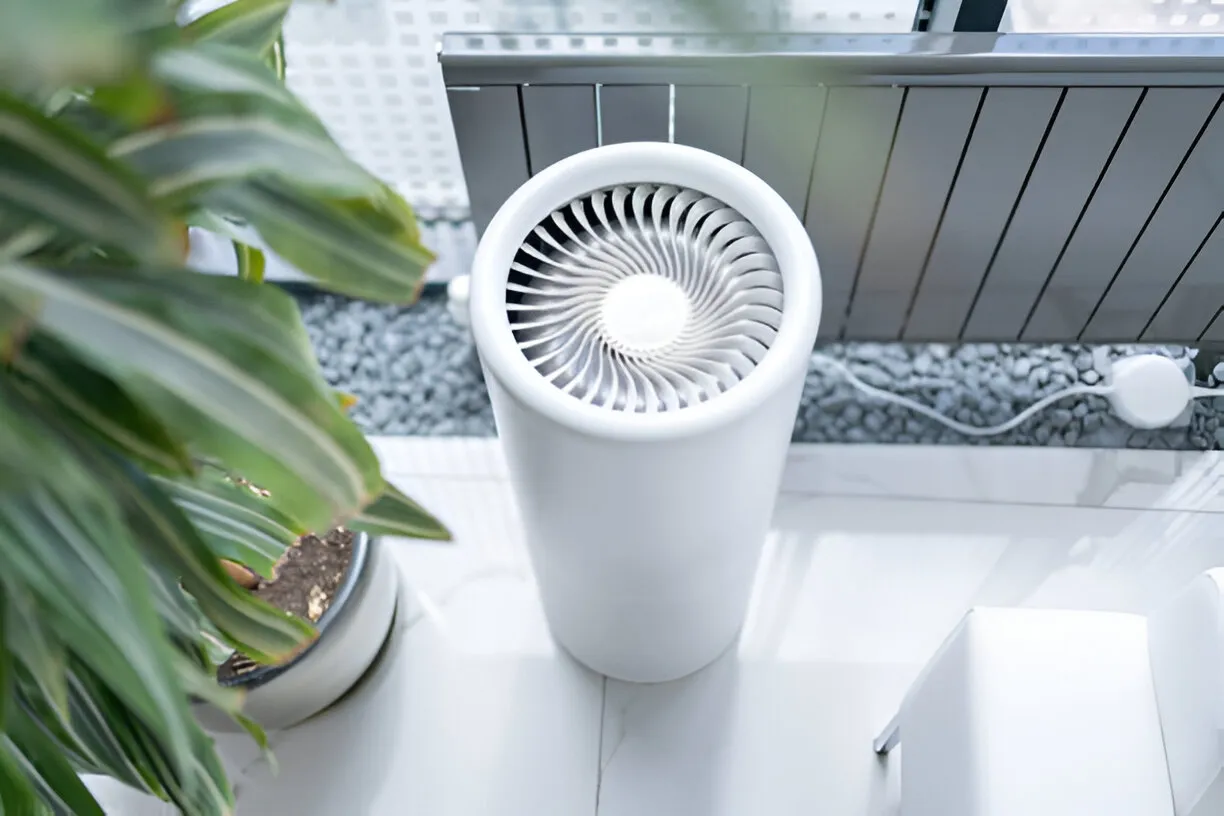
Why whole house air filtration matters in Hebron, OH
Hebron residents face typical Midwestern air challenges: strong spring and summer pollen counts, dust from nearby rural and construction activity, and humidity-driven biological growth in basements and crawlspaces. These factors increase load on HVAC systems and create triggers for allergy and asthma sufferers. A coordinated whole house filtration strategy reduces particles at the system level so every room benefits, reduces dust reentry, and limits filter-clogging inside the air handler.
Common whole house air filtration issues in Hebron, OH homes
- Rapid filter loading during pollen season or after yard work and home projects
- Persistent dust on surfaces despite regular cleaning
- Reduced HVAC airflow or comfort after upgrading to a high-efficiency filter without checking static pressure
- Odors from cooking, paint, or nearby agricultural activity that simple particle filters do not remove
- Recurring respiratory symptoms for allergy or asthma patients during spring and early summer
Types of whole house filtration and how they perform
- MERV-rated pleated filters
- MERV 6-8: Basic dust and lint control; good for protecting equipment but limited pollen and almost no smoke or fine particle removal.
- MERV 11: Better for pollen, pet dander, and mold spores; a common upgrade for allergy reduction.
- MERV 13: Captures most PM2.5, including smoke and smaller particulates. Often recommended for homes with allergies or where regional smoke is a concern.
- Note: Higher MERV ratings increase pressure drop. Verify your HVAC blower can maintain adequate airflow.
- Whole-house media filters
- Deeper pleated media installed in a dedicated cabinet. Higher dust-holding capacity and longer life than standard disposable filters. Often rated at MERV 11 to 13 and can last 6 to 12 months depending on loads.
- In-duct HEPA and dedicated bypass systems
- True HEPA captures 99.97 percent of 0.3 micron particles. In-duct HEPA usually requires a dedicated fan or retrofitted air handler to overcome high resistance. Consider for immune-compromised households or those requiring maximum PM2.5 removal.
- Portable HEPA purifiers
- Effective for localized high-risk spaces such as bedrooms. They supplement whole-house systems when in-duct HEPA is not feasible.
- Activated carbon and gas-phase media
- Adsorbs odors and volatile organic compounds that particle filters miss. Useful for homes with cooking odors, chemical sensitivities, or nearby agricultural emissions.
- UV-C light systems
- Target microorganisms on coils and in the air stream; they help control microbial growth but do not remove particulates. Best used with particle filtration.
- Electronic air cleaners and ionizers
- Can be effective at capturing small particles but require regular maintenance and careful selection to avoid ozone-producing models.
How filtration interacts with HVAC performance
Upgrading filtration changes system resistance. Higher-efficiency filters and media reduce particle penetration but increase static pressure, which can reduce airflow, lower heating and cooling capacity, and stress older blowers. Solutions include:
- Choosing a filter rated to balance capture and pressure drop for your system
- Installing a larger media cabinet to minimize resistance
- Upgrading to a variable-speed ECM blower or having a dedicated bypass fan when using HEPA
- Regularly monitoring pressure drop and airflow after retrofit
Proper sizing and professional evaluation of static pressure ensure filtration upgrades improve indoor air without compromising comfort or equipment life.
Maintenance and replacement schedules
- Disposable pleated filters (MERV 8-11): Check monthly during peak seasons; replace every 1 to 3 months.
- Whole-house media filters: Typical replacement or servicing every 6 to 12 months depending on load.
- Washable electrostatic filters: Clean monthly to quarterly; inspect seals and frames.
- Activated carbon cartridges: Replace every 3 to 6 months depending on odor load and exposure to VOCs.
- UV-C lamps: Replace annually to maintain germicidal output.
- Electronic cleaner cells: Clean according to manufacturer schedule, often monthly to quarterly.
Consistent maintenance keeps pressure drop low and filtration effective, extending HVAC life and maintaining indoor comfort.
Choosing the right level of filtration for your needs in Hebron
- For general dust and equipment protection in a typical Hebron home: MERV 8 to 11 pleated filters or a media filter tuned to airflow needs.
- For allergy and asthma reduction during heavy pollen and mold seasons: Move to MERV 11 or MERV 13 media filters and consider a portable HEPA in bedrooms.
- For smoke, wildfire haze, or fine particulate concerns: HEPA-level filtration or in-duct MERV 13 plus portable HEPA units. Activated carbon is recommended if odors and gases are also a problem.
- For immune-compromised households: True HEPA with a dedicated fan or a professionally designed bypass HEPA system, plus UV sanitation and gas-phase filtration if chemical sensitivity is present.
When deciding, factor in local air patterns, seasonality, your household members health needs, and HVAC capacity. A balanced approach often uses a high-quality in-duct filter for constant baseline protection with targeted portable HEPA or activated carbon units during high risk periods.
Cost versus benefit considerations
- Upfront costs vary by technology: disposable filters are inexpensive but recurring; media filters and integrated cabinets cost more initially but last longer and reduce maintenance frequency.
- Energy impacts: Very high-efficiency filters may increase energy use if airflow is restricted. Offsetting this by upgrading to an ECM blower or choosing a lower-resistance media option will protect efficiency.
- Health and equipment savings: Better filtration reduces dust buildup in the HVAC system, improving heat transfer and potentially extending equipment life while lowering cleaning needs. For households with allergies or respiratory conditions, the health benefits often outweigh the cost differential.
- Maintenance commitment: High-efficiency systems require scheduled inspections and replacements to remain effective. Factor labor and replacement media into long-term cost planning.
Final considerations for Hebron homeowners
Whole house air filtration should be designed to match local air quality patterns and your household needs. Combining properly sized in-duct filtration with targeted solutions like activated carbon and portable HEPA units delivers the most flexible protection across Hebron’s pollen seasons, humid summers, and occasional smoke events. Prioritize systems that maintain proper airflow, fit your HVAC’s capabilities, and include clear maintenance intervals so filtration performance stays high while keeping energy and equipment costs in check.
Hot Deals & Cool Savings

.webp)
New Service Agreement Membership
.webp)
Any New Client Service
Next Service for Referring a New Client
New Service Agreement Membership
Any New Client Service
Next Service for Referring a New Client
.webp)
.webp)

Service Areas
