
Whole House Air Purifiers in Amlin, OH
Whole-house air purifiers for Amlin, OH homes: learn installation options, energy impact, and upgrade your indoor air—schedule a consultation today.

Whole House Air Purifiers in Amlin, OH
Indoor air quality directly affects comfort, health, and home efficiency in Amlin, OH. With humid summers, cold winters, seasonal pollen, and occasional agricultural dust in surrounding areas, many homes experience elevated allergens, mold spores, volatile organic compounds (VOCs), and fine particles. Whole house air purifiers installed in-duct or integrated with your HVAC system provide continuous, homewide air cleaning that reduces symptoms for allergy and asthma sufferers, lowers particulate loads on HVAC equipment, and improves overall indoor comfort.
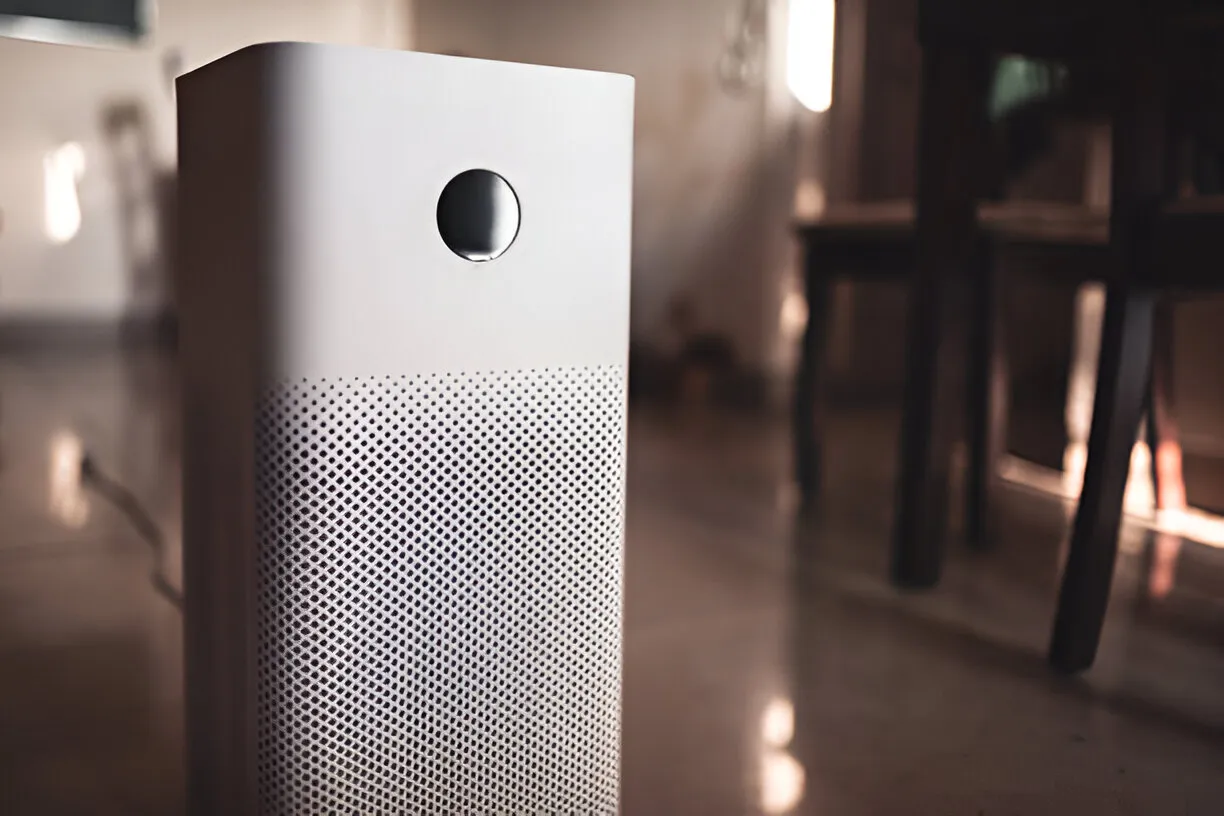
Common whole house purifier types and what they do
Understanding the technologies helps match performance to household needs.
- In-duct HEPA / True HEPA systems: Capture 99.97% of particles 0.3 microns and larger when properly sealed and sized. Best for removing pollen, dust, pet dander, and many fine particulates.
- HVAC-integrated purifiers (media filters and higher-MERV filters): Installed at the furnace/air handler, these provide broad filtration with variable MERV ratings. High-MERV media can remove smaller particles but increase pressure drop.
- Activated carbon filters: Reduce odors and gaseous contaminants including VOCs from paints, cleaning products, and off-gassing building materials. Often paired with HEPA for combined particulate and gas removal.
- Ultraviolet (UV) germicidal lights: Target microbes on coils and in airstreams, reducing bacteria, viruses, and mold growth on HVAC components. UV does not remove particles or VOCs by itself.
- Electronic cleaners (ionizers, electrostatic precipitators): Use charged plates or ions to capture particles. They can be effective for fine particle removal but require regular maintenance and monitoring for byproducts such as ozone in some models.
Common indoor air problems in Amlin, OH homes
- Spring and early summer pollen spikes causing runny noses and itchy eyes.
- High indoor humidity in summer leading to mold growth and dust mite proliferation.
- Wintertime indoor pollutant concentration due to reduced ventilation.
- Dust and agricultural particulates affecting rural and suburban homes.
- Odors and VOCs from home improvements, cleaning products, and stored chemicals.
How systems are sized and selected
Proper sizing ensures the purifier actually meets performance expectations for your home.
- Home volume and air changes per hour (ACH): Calculate cubic footage (square feet x ceiling height) and determine target ACH. Typical residential targets range from 1 to 5 ACH depending on needs (higher for allergy mitigation).
- Clean Air Delivery Rate (CADR) and particulate removal: Look at CADR and the purifier’s removal efficiency for particles in the submicron range. For whole house systems, CADR is tied to HVAC airflow (CFM).
- HVAC compatibility and pressure drop: Higher efficiency filters raise static pressure. A furnace or blower must accommodate the extra load. Sizing includes evaluating the existing air handler capacity, ductwork condition, and thermostat controls.
- VOC and odor load: If VOC reduction is a priority, size activated carbon media based on expected concentration and airflow rates.
- Zoning and layout: Large or multi-level homes may need adjustments in airflow or supplemental units to ensure even distribution.
Typical installation and diagnostic process
A clear diagnostic and installation workflow ensures performance and longevity.
- Initial assessment: Inspect HVAC equipment, ductwork condition, and indoor pollutant sources. Measure baseline particulate and VOC concentrations when possible.
- System selection: Choose the combination of HEPA/media, carbon, UV, or electronic components that match the identified needs.
- Sizing and design: Calculate required filter area and verify that the blower can manage added pressure drop. Determine optimal mounting location (often at the air handler or return plenum).
- Installation: Securely mount in-duct units or install integrated filters at the air handler. Ensure airtight connections and proper bypass control if needed.
- Commissioning: Verify airflow, test for pressure drop, and, where available, re-measure particulate and VOC reductions to confirm expected performance.
Performance metrics and what to expect
- Particle removal: True HEPA systems remove up to 99.97% of 0.3 micron particles at rated flows. In real homes, particle reduction depends on ACH and system runtime.
- VOC reduction: Activated carbon capacity is measured in grams or square inches of media; expect diminishing returns as the media loads. Replace or regenerate carbon per manufacturer guidance to maintain VOC capture.
- ACH and CADR: Use CADR and your HVAC CFM to estimate ACH. For allergy relief, aim for higher ACH during peak seasons.
- UV effectiveness: UV lights reduce microbial loads on coils and in air passing close to the lamp. They help prevent mold growth on HVAC parts rather than removing particles.
Maintenance and filter replacement schedules
Regular maintenance keeps performance consistent and avoids energy penalties.
- Pre-filters: Replace every 1 to 3 months depending on dust load. Prefilters protect higher-efficiency media.
- True HEPA / media filters: Typically replaced every 6 to 12 months. Homes with pets, smoking, or heavy pollen may need more frequent changes.
- Activated carbon modules: Replace every 3 to 12 months based on VOC levels and filter size. High VOC environments require more frequent replacement.
- UV lamps: Replace annually or per manufacturer recommendations; UV output diminishes with time even if the lamp still glows.
- Electronic cleaner maintenance: Clean collector plates monthly to quarterly. Follow safety instructions to avoid ozone-producing settings.
- Duct and coil checks: Inspect and clean coils and ducts every 1 to 3 years to prevent recontamination.
Benefits for allergy and asthma sufferers
- Significant reduction in airborne allergens such as pollen, dust mite fragments, mold spores, and pet dander when systems are properly sized and maintained.
- Lower peak exposures during seasonal pollen events common to central Ohio.
- Reduced trigger load can lead to fewer symptoms and less reliance on rescue medications for some individuals.
- Cleaner HVAC components improve system efficiency and reduce microbial growth that can aggravate respiratory conditions.
Energy considerations
- Increased static pressure from high-efficiency filters can raise blower energy use. Verify blower capacity or choose low-resistance media to minimize impact.
- Run-time strategies: Running the system intermittently at higher speeds or continuously at lower speeds can balance filtration and energy use. Variable-speed blowers are most efficient.
- Smart controls: Integrating air quality sensors to run purifiers only when particulate or VOC levels are elevated saves energy.
- Long-term savings: Cleaner HVAC components and reduced maintenance from lower particulate load can offset some operational costs.
Financing and warranty overview
- Warranties: Manufacturer warranties commonly cover parts for 1 to 10 years depending on technology. UV lamps and electronic components may have separate coverage. Understand what is covered for parts versus labor.
- Financing: Many financing options exist, including installer payment plans or third-party consumer financing that allow spreading installation and equipment costs over months to years. Terms and availability vary.
- Incentives: Local or state energy efficiency programs occasionally offer incentives for HVAC upgrades that improve efficiency. Check current regional programs when evaluating system upgrades.
Final considerations for Amlin homes
For residents of Amlin, OH, a whole house solution tailored to seasonal pollen, summer humidity, and winter ventilation patterns provides the most consistent improvement in indoor air quality. Proper sizing, compatibility with existing HVAC equipment, and an enforced maintenance schedule are essential for delivering measurable benefits, especially for allergy and asthma management. Choosing a balanced configuration—particulate filtration (True HEPA or high-MERV media), targeted carbon for VOCs, and UV for microbial control—matches common household needs in this region while controlling energy impact and maintenance demands.
Hot Deals & Cool Savings

.webp)
New Service Agreement Membership
.webp)
Any New Client Service
Next Service for Referring a New Client
New Service Agreement Membership
Any New Client Service
Next Service for Referring a New Client
.webp)
.webp)

Service Areas
