
Whole House Air Filtration in Amlin, OH
Whole-house air filtration options in Amlin, OH explained with costs, benefits, and installation tips. Learn more about improving indoor air quality today.

Whole House Air Filtration in Amlin, OH
Clean indoor air is a practical health and comfort priority for Amlin, OH homes. With springtime tree and grass pollen, humid summers that encourage mold, and occasional wood smoke or agricultural dust drifting in from surrounding areas, a well-designed whole-house air filtration system reduces allergy symptoms, protects HVAC equipment, and lowers dust and odor complaints.
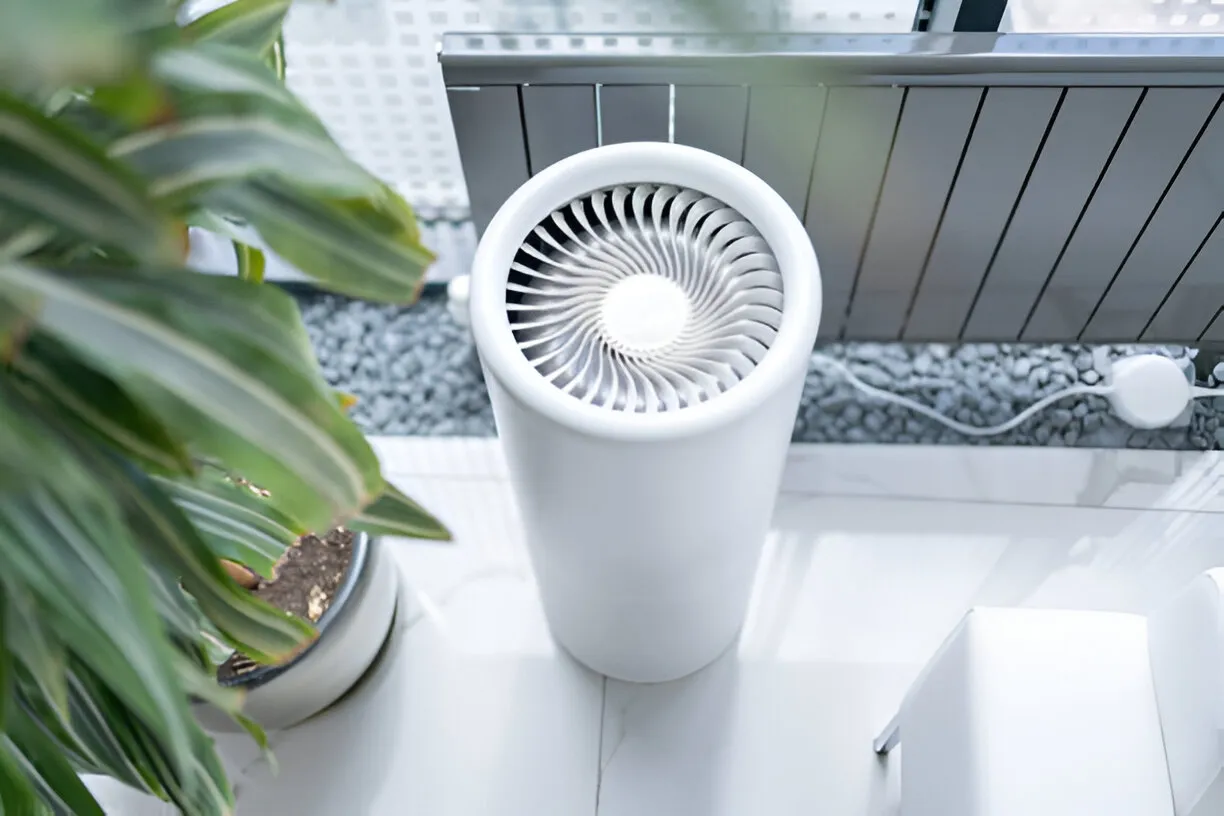
Common whole house air filtration issues in Amlin, OH
- Seasonal pollen spikes in spring that trigger allergies and leave fine residue on surfaces.
- Summer humidity encouraging elevated mold and mildew spores in poorly ventilated attics and ductwork.
- Agricultural dust and road dust in rural or semi-rural neighborhoods, increasing particulate load on HVAC systems.
- Wood smoke from fireplaces or neighborhood burning, which produces very fine particles that ordinary filters may not capture.
- Older furnaces or air handlers with undersized filter slots, limiting upgrade options without modification.
Types of whole-house filtration systems
Understanding options helps match a system to local needs and health goals.
- Media (pleated) filters: Replaceable pleated panels installed in the furnace or air handler. Available in a range of MERV ratings and are a practical balance of filtration and cost for most Amlin homes.
- High-MERV whole-house filters (MERV 11–13): Capture smaller particles like pollen, dust mite debris, and some smoke particles. Effective for allergy reduction but increase pressure drop; compatibility checks are essential.
- Electronic (electrostatic) filters: Permanently installed units that charge particles and collect them on plates. They have low ongoing filter costs but require regular cleaning and can generate ozone if older designs are used. Newer models minimize that risk.
- Whole-house HEPA systems: True HEPA removes 99.97% of 0.3 micron particles but usually requires a dedicated cabinet and a higher-capacity blower or bypass design because of substantial airflow restriction. For homes with severe asthma or frequent smoke exposure, HEPA is the most effective option.
- Carbon/adsorption filters: Added for VOCs, odors, and smoke smells. Often combined with particulate filtration for comprehensive air quality control.
How filtration ratings work (MERV, HEPA, and related terms)
- MERV (Minimum Efficiency Reporting Value) ranges from 1–16 for common residential filters. Higher MERV = smaller particles captured.
- MERV 6–8: Basic protection against larger dust and lint. Suitable for most homes with minimal allergy concerns.
- MERV 9–12: Better capture of pollen, pet dander, and finer dust—good for allergy relief in Amlin during pollen season.
- MERV 13–16 and HEPA: For capturing very small particles including smoke and many bacteria-sized particles; consider system compatibility before upgrading.
- HEPA: A different standard—removes 99.97% of particles at 0.3 microns—but requires appropriate airflow design to avoid undue strain on the HVAC system.
System compatibility and installation considerations in Amlin homes
- Static pressure and blower capacity: Higher-efficiency filters increase resistance to airflow. Older furnaces and single-speed blowers may not maintain proper airflow with a high-MERV or HEPA filter, leading to reduced comfort and higher energy use. Upgrading to a variable-speed blower or ECM motor can compensate.
- Filter cabinet size: Many residential filter racks are sized for 1-inch or 2-inch filters. Upgrading to deeper media filters (4–6 inches) often requires a larger cabinet or plenum modification for improved efficiency without excessive pressure drop.
- Duct condition: Leaky or dusty ducts reduce system performance. Sealing and cleaning ducts before installing a high-efficiency system improves indoor air quality and prevents premature filter loading.
- HVAC coil protection: Higher-quality filtration protects coils and blowers from accumulation, which extends HVAC life and preserves efficiency—important in Amlin where temperature swings can increase system run time.
- Bypass/HEPA cabinets: For whole-house HEPA, a separate enclosure and possibly a dedicated fan are usually required to maintain proper CFM.
Recommended replacement and maintenance schedules
- Disposable pleated media (MERV 8–11): Inspect monthly; typical replacement every 60–90 days. Homes with pets, heavy pollen, or smoking may need 30–45 day changes.
- High-MERV media (MERV 12–13): Inspect monthly; expect replacement every 60–90 days depending on loading.
- Electronic/electrostatic units: Clean collector plates every 1–3 months and follow manufacturer guidance for sanitizing to maintain efficiency and avoid odors.
- Carbon filters: Replace every 6–12 months depending on odor load and VOC exposure.
- Whole-house HEPA: Pre-filters should be checked monthly and replaced as needed; true HEPA modules typically last 1–3 years depending on use.
- Annual HVAC inspection: Verify filter fit, check static pressure, clean coils and drain pans, and confirm blower performance—critical for long-term filtration success.
Performance testing and verification
- Baseline and follow-up particle counts: Portable particle counters measure particles per cubic foot before and after installation to confirm system effectiveness for key size ranges (0.3–10 microns).
- Static pressure measurement: Manometer readings in the ductwork show pressure drop across the filter; ensures airflow remains within safe limits for the system.
- Airflow (CFM) testing: Ensures that rooms continue to get proper airflow after filter upgrade—important for comfort and system health.
- Visual and odor checks: For smoke and VOC reduction, occupant symptom tracking and odor presence are practical, immediate indicators.
Cost vs. benefit considerations for Amlin homeowners
- Initial investment varies with system type: simple media upgrades are low cost; whole-house HEPA or blower upgrades are higher. Consider the ongoing operating tradeoffs: higher-efficiency filters can slightly raise fan energy use, but they typically extend HVAC life and reduce maintenance needs.
- Health and productivity benefits: For households with allergies, asthma, or sensitivity to smoke, better filtration can reduce symptoms, lower medication needs, and improve sleep quality. Those benefits often outweigh the incremental energy cost.
- Reduced HVAC repair frequency: Cleaner coils and blowers run more efficiently, lowering annual energy bills and reducing expensive component failures — a measurable long-term saving in climates like Ohio where heating and cooling loads are significant.
- Targeted upgrades: In many Amlin homes, moving to a MERV 11–13 media filter or adding a carbon stage delivers strong seasonal benefit (pollen, smoke) without major HVAC changes.
Final considerations and maintenance tips
- Choose a filtration level matched to your household needs: MERV 8–11 for general improvement, MERV 12–13 for allergy and smoke concerns, and HEPA if clinically recommended.
- Inspect filters monthly for the first three months after installation to establish a replacement rhythm based on local dust and pollen load.
- Coordinate filtration upgrades with routine HVAC tune-ups and duct work evaluation to maximize efficiency and lifespan.
- Seasonal strategies: ramp up filtration ahead of spring pollen and during fall wood-burning season to protect indoor air quality when outdoor particulate loads rise.
A properly selected and installed whole-house air filtration system tailored to Amlin’s seasonal conditions and your household health priorities delivers measurable improvements in indoor air, HVAC longevity, and daily comfort.
Hot Deals & Cool Savings

.webp)
New Service Agreement Membership
.webp)
Any New Client Service
Next Service for Referring a New Client
New Service Agreement Membership
Any New Client Service
Next Service for Referring a New Client
.webp)
.webp)

Service Areas
